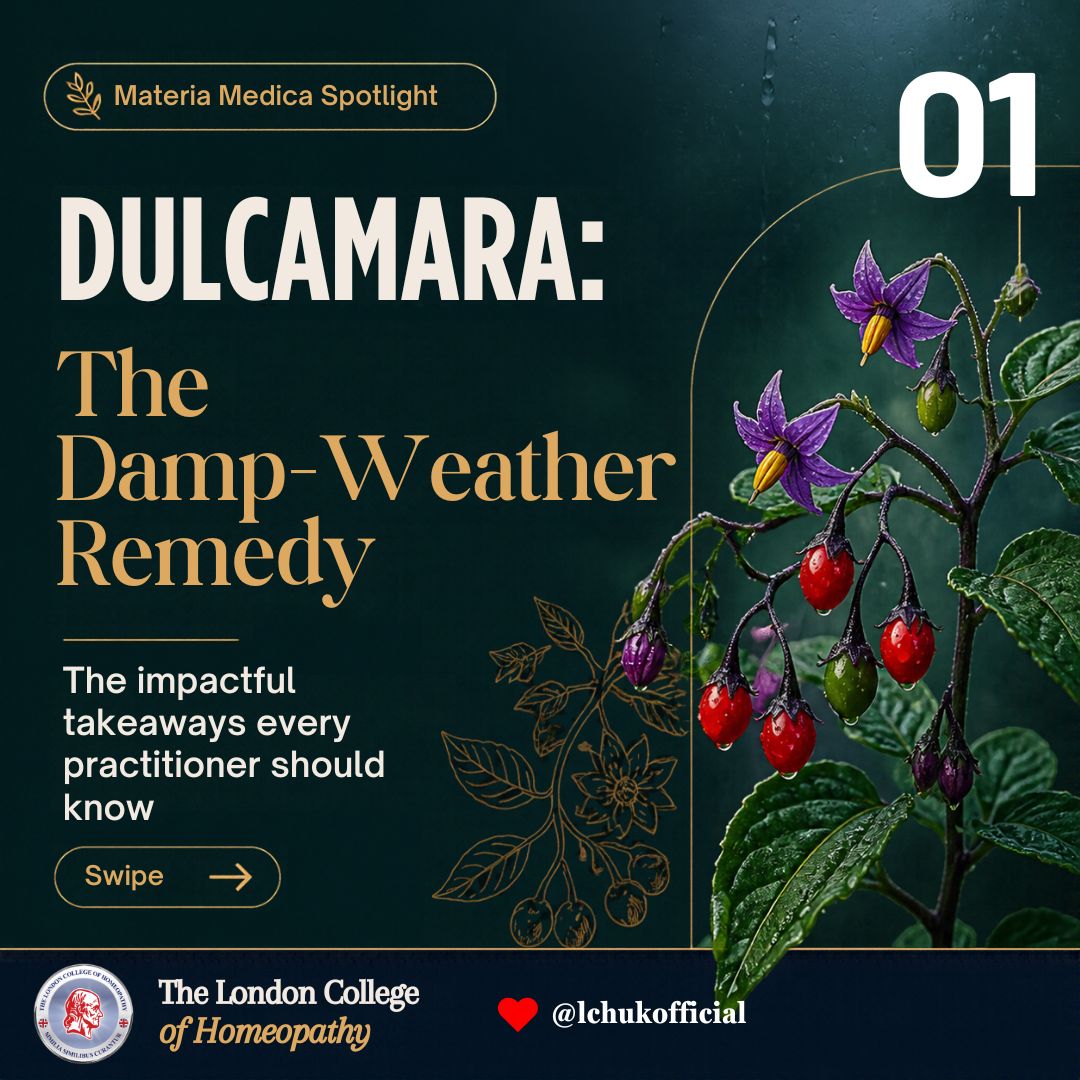
The Damp-Weather Remedy: The Impactful Takeaways on Dulcamara Every Practitioner Should Know

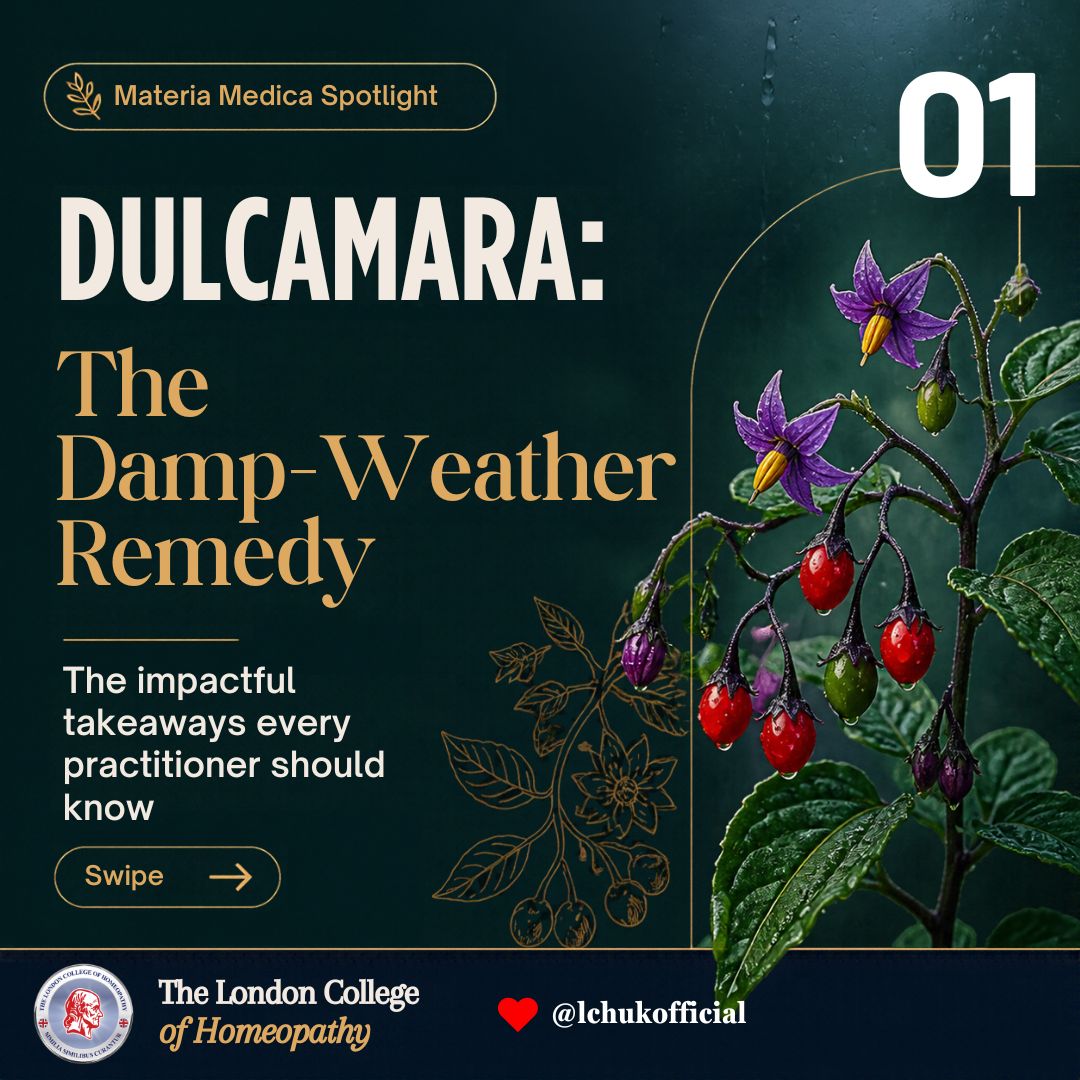
The Autumnal Weather-Change Paradox

Sudden atmospheric and seasonal transitions represent a perpetual challenge in clinical homeopathic practice. The sharp shift from warm, late-summer days to chilled, damp nights—or unexpected exposure to drenching rains—frequently triggers a rapid onset of acute physical and catarrhal ailments. When patients present with acute mucus hyper-secretions, sudden bowel disturbances, neuralgias, or joint stiffness following these specific atmospheric fluctuations, selecting the precise, pathologically suited remedy is essential for prompt clinical recovery.

This article distils the most essential, counterintuitive, and clinically high-yield takeaways on Dulcamara.

Suppressed Sweat Triggers an Internal Mucous Hypersecretion

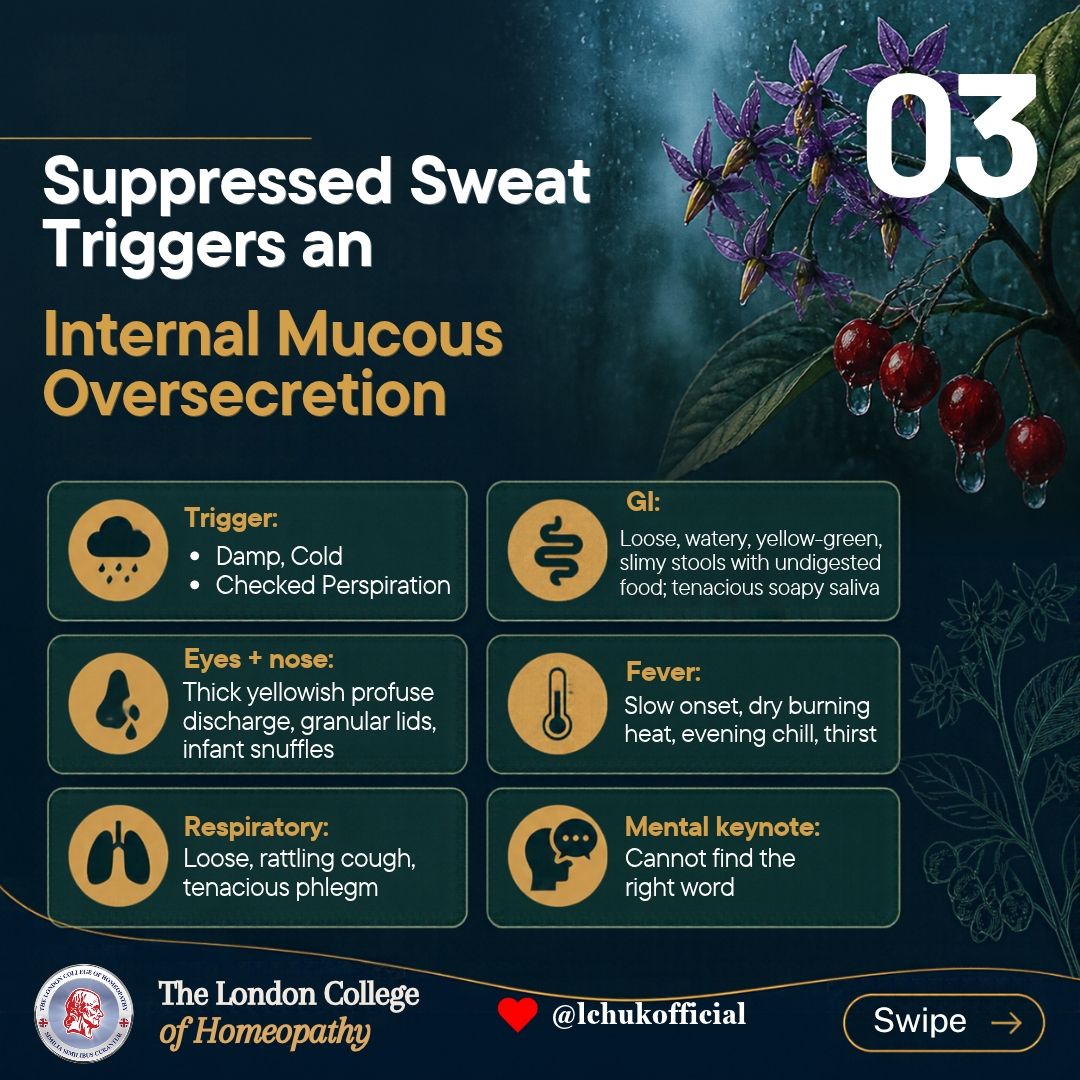
The central pathological axis of Dulcamara revolves around the immediate suppression or checking of perspiration caused by damp cold, wet weather, or sudden temperature drops. When cutaneous elimination is rendered inactive, the organism compensates through a dramatic hyper-secretion across internal mucous membranes. This shift culminates in widespread catarrhal inflammation and profuse, thick discharges across multiple organ systems:

  • Ocular and nasal discharges which are thick, yellowish, and profuse, often accompanied by granular lids. Dry coryza or profuse, thick, yellowish discharge may occur.
  • Respiratory Catarrh: Excessive mucus production permeates the respiratory tract, manifesting as a loose, rattling cough, a hoarse spasmodic cough, or whooping cough laden with excessive phlegm. A picture of a dry, teasing winter cough or dyspnoea from asthma, where the patient is characteristically forced to cough for a prolonged period to successfully expel the tenacious phlegm.
  • Gastrointestinal and Secretory Disturbance: Gastrointestinal catarrh produces profuse, loose, watery stools that are characteristically yellow or greenish, slimy, and mixed with undigested food particles. Stools may alternate between yellow and greenish mucus.
  • Concomitant Febrile Profile & Sensorium: Pyrexia induced by exposure to cold, damp air or drenching rain demonstrates a strikingly slow onset. The fever is characterised by dry burning heat all over the body, accompanied by evening chilliness, marked thirst, dull headache, loose cough, and profuse yellow watery diarrhoea. Distinctly within the sensorium, Dulcamara presents a striking mental keynote: severe mental confusion where the patient simply cannot find the right word for anything.

The Curious Case of Cold Feet, Milky Urine, and Abdominal Pain

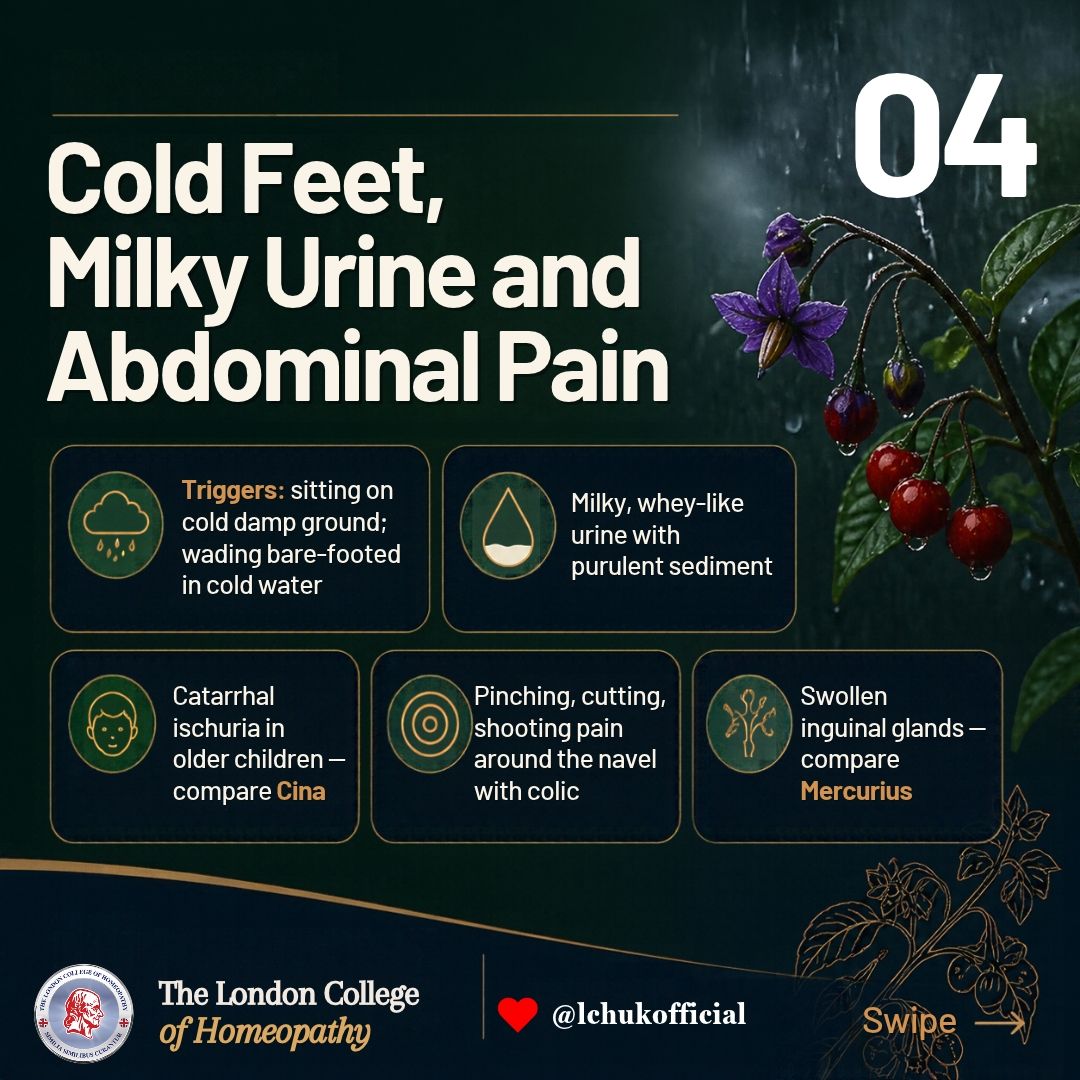
Dulcamara displays explicit regional affinities, and paediatric keynotes are brought on by direct localised exposure to wet cold, such as sitting on cold, damp ground or wading in cold water with bare feet:

  • Catarrhal Ischuria and Milky Urine: Ischuria featuring whey-like, milky urine—a striking keynote sharing clinical territory with Cina. The urine develops a thick, purulent, yellowish-white sediment upon standing and becomes exceedingly irritating, causing constant urging or involuntary urination as bladder catarrh flares up “like a flame.”
  • Umbilical Distress and Glandular Affections: Recurring pinching, cutting, and shooting pain localised precisely at or about the umbilicus (navel), frequently accompanied by acute abdominal colic due to cold exposure.

Counterintuitive Modalities — Relief Through Movement and Talking

While acute febrile, painful, or inflammatory states typically compel the patient toward absolute rest, Dulcamaraexhibits distinct counterintuitive modalities and neurological keynotes that differentiate it from neighbouring acute remedies:

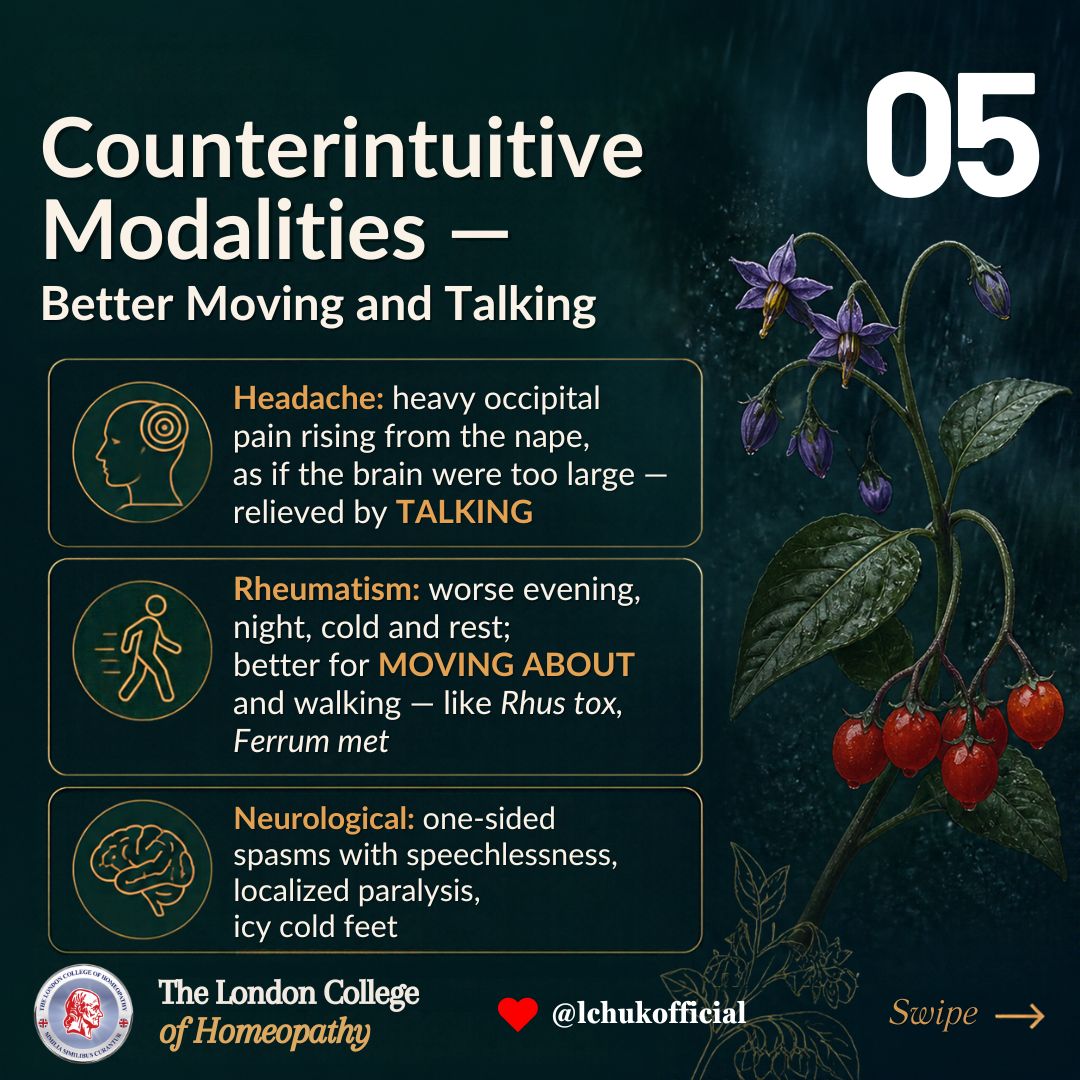
  • Headache Ameliorated by Talking: Dulcamara produces a heavy, occipital headache that ascends directly from the nape of the neck. The patient experiences a digging pain and a distressing sensation as if the brain were too large, accompanied by morning vertigo upon rising or walking. This stupefying head pain is relieved by talking.
  • Rheumatic Relief Through Motion: Rheumatic inflammation, joint swelling, lameness, and bruised aching across the neck, shoulders, and back—precipitated by living in damp quarters, drenching rain, or abrupt seasonal shifts—are severely aggravated by evening, night, cold atmospheric changes, and rest.
  • Paralytic and Neurological Manifestations: Deep cold exposure can penetrate beyond the muscular sphere to produce focal neurological deficits. Dulcamara covers one-sided spasms accompanied by speechlessness, localised paralysis of single parts, and paralysed limbs where the feet remain icy cold.

Eruptive Skin Troubles, Facial Neuralgia, and Disease Alternation

Dulcamara possesses an extensive affinity for the integumentary system and mucous cutaneous junctions, characterised by cellular effusions, eruptive manifestations, and striking clinical alternations:

Differentiating Skin:

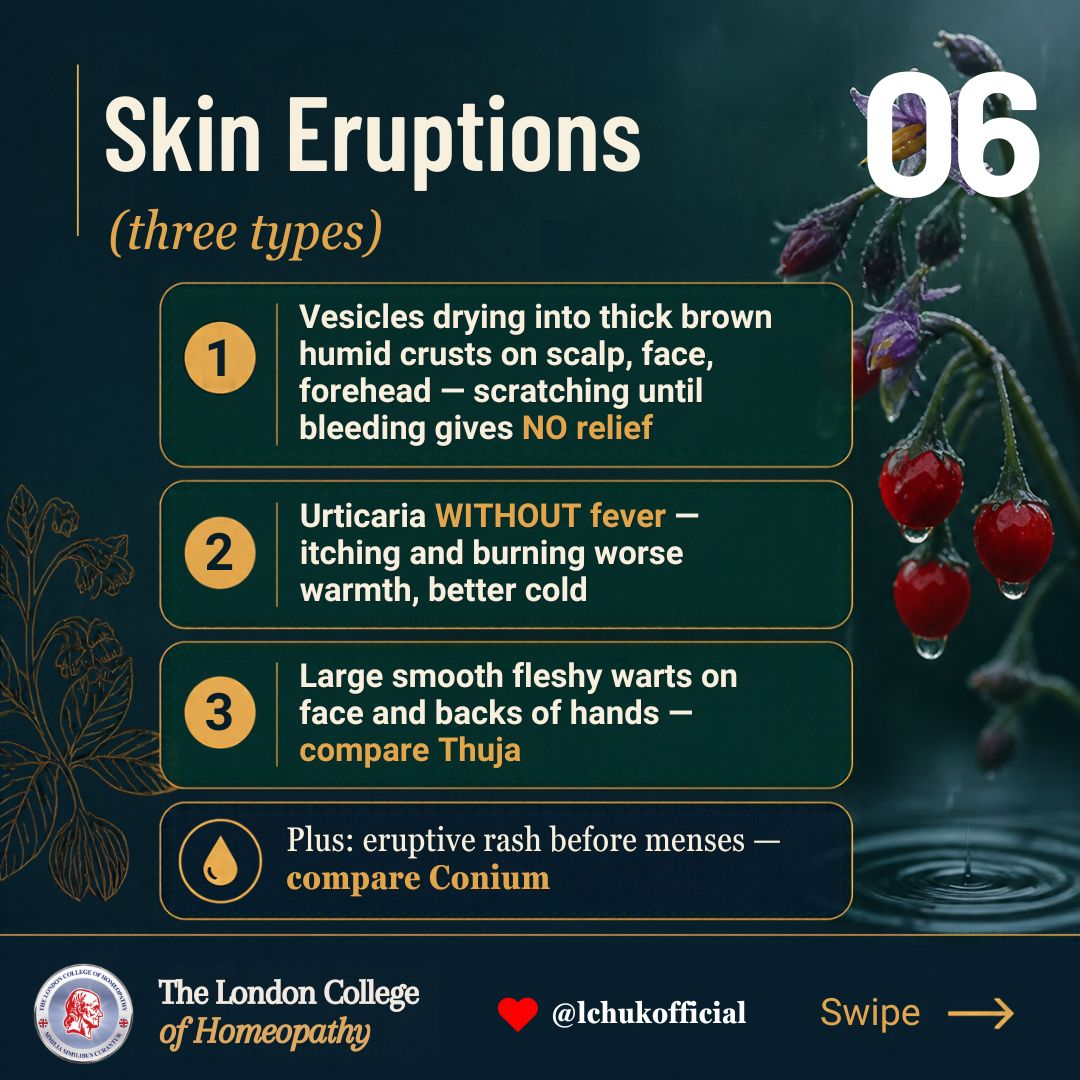
  • Vesicular Crusted Eruptions: Intense itching and extreme soreness; the patient compulsively scratches until the skin bleeds, yet scratching provides absolutely no relief.
  • Urticaria Without Fever: Itching and scratching are followed by burning sensations. Unlike the crusted lesions, the itching and burning of Dulcamara’s urticaria are aggravated by warmth and relieved by cold.
  • Wart-Like Lesions: Characterised by large, fleshy, smooth, wart-like eruptions that appear prominently on the face and the backs of the hands and fingers—requiring careful differential diagnosis with Thuja.
  • Catamenial Timing & Premenstrual Eruptions: A diagnostic timing keynote is the prompt appearance of an eruptive rash on the face, hands, and arms immediately preceding the menses, a feature shared with Conium.
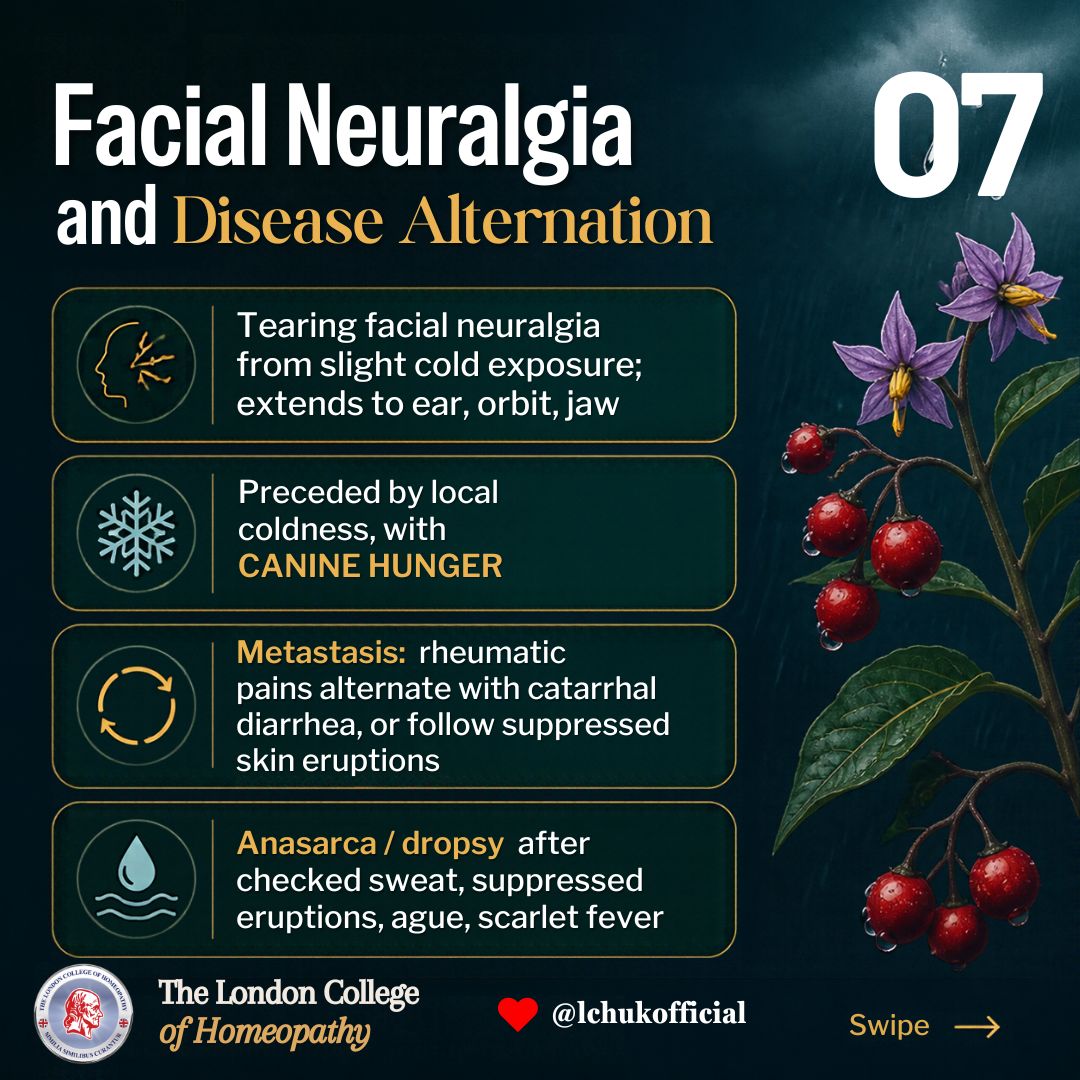
  • Facial Neuralgia with Canine Hunger: Neuralgia is preceded by local coldness of the parts and is accompanied by a unique concomitant: canine hunger.
  • Metastasis and Disease Alternation: Rheumatic joint pains regularly alternate with profuse catarrhal diarrhoea or emerge suddenly after acute skin eruptions have been artificially suppressed. Furthermore, generalised anasarca and dropsical effusions develop following checked sweat, suppressed eruptions, ague, scarlet fever, or direct exposure to damp cold.
Advancing Your Homeopathic Mastery

To deepen your mastery of polychrest remedies, refine your differential diagnostic precision, and elevate your clinical outcomes, continue your professional education with our faculty. Explore advanced diploma and postgraduate diplomas & structured technical courses at The London College of Homeopathy today.

Disclaimer: This post is not medical advice / endorsement or a replacement for a doctor’s discretion of treatment. The information provided here is purely for information and discussion purposes. Please seek appropriate medical advice from your nearest medical/health professional.
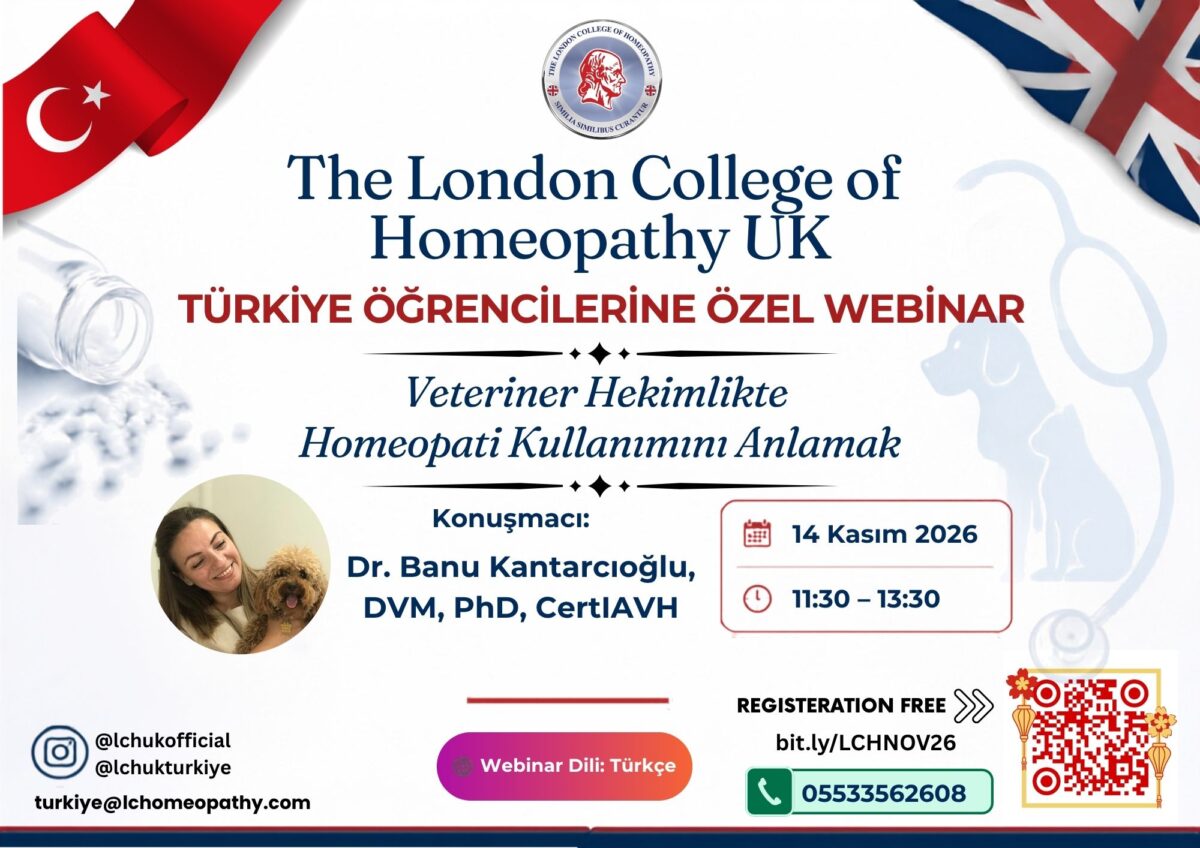
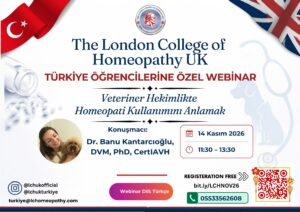
Discover the Role of Homeopathy in Veterinary: Join Our Free Webinar for Türkiye!

Veterinary medicine is continuously evolving, and more practitioners and students are exploring gentle, holistic approaches to complement clinical animal care. Whether you are curious about homeopathic principles or eager to see how natural remedies can support animal health, this upcoming session is designed specifically for you.

Hosted by The London College of Homeopathy, UK, this exclusive, complimentary webinar will explore the core tenets, clinical perspectives, and practical applications of veterinary homeopathy.

Webinar Overview

  • Topic: Veteriner Hekimlikte Homeopati Kullanımını Anlamak (Understanding the Use of Homeopathy in Veterinary Medicine)
  • Speaker: Dr. Banu Kantarcıoğlu, DVM, PhD, CertIAVH
  • Date: 14 Kasım 2026 (November 14, 2026)
  • Time: 11:30 – 13:30 (TR)
  • Language: Turkish (Webinar Dili: Türkçe)
  • Fee: Free Registration

About the Speaker

We are delighted to invite Dr. Banu Kantarcıoğlu (DVM, PhD, CertIAVH), an experienced expert in veterinary science and certified veterinary physician. Dr. Kantarcıoğlu will share valuable clinical insights, practical perspectives, and guidance on how homeopathic principles integrate into veterinary care.

How to Join: Participation is free, but registration is required to reserve your spot:

Don’t miss this opportunity to broaden your veterinary knowledge and explore modern homeopathic practice. Reserve your free seat today!

Learn more about our exclusive courses in Turkey here.

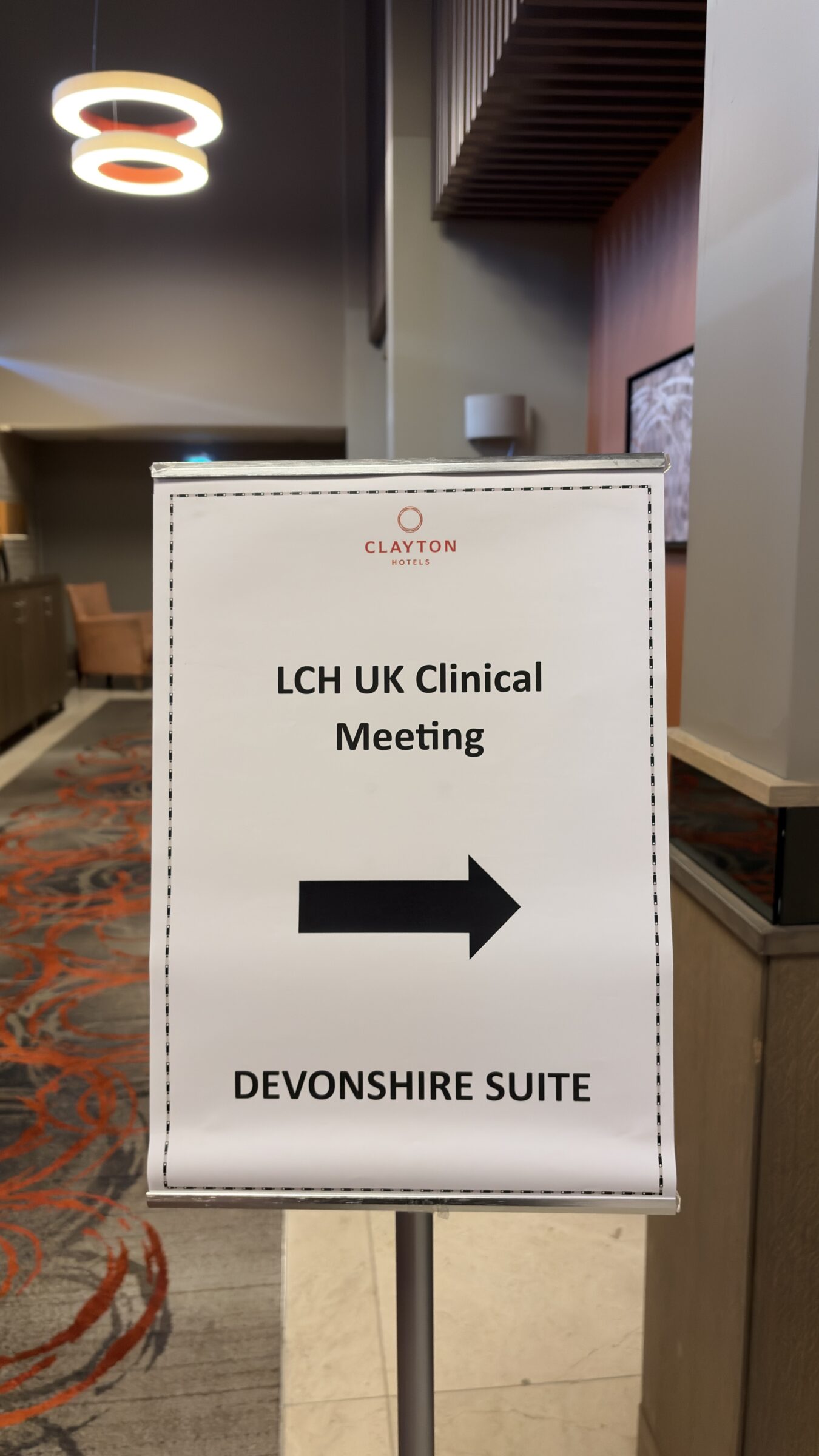
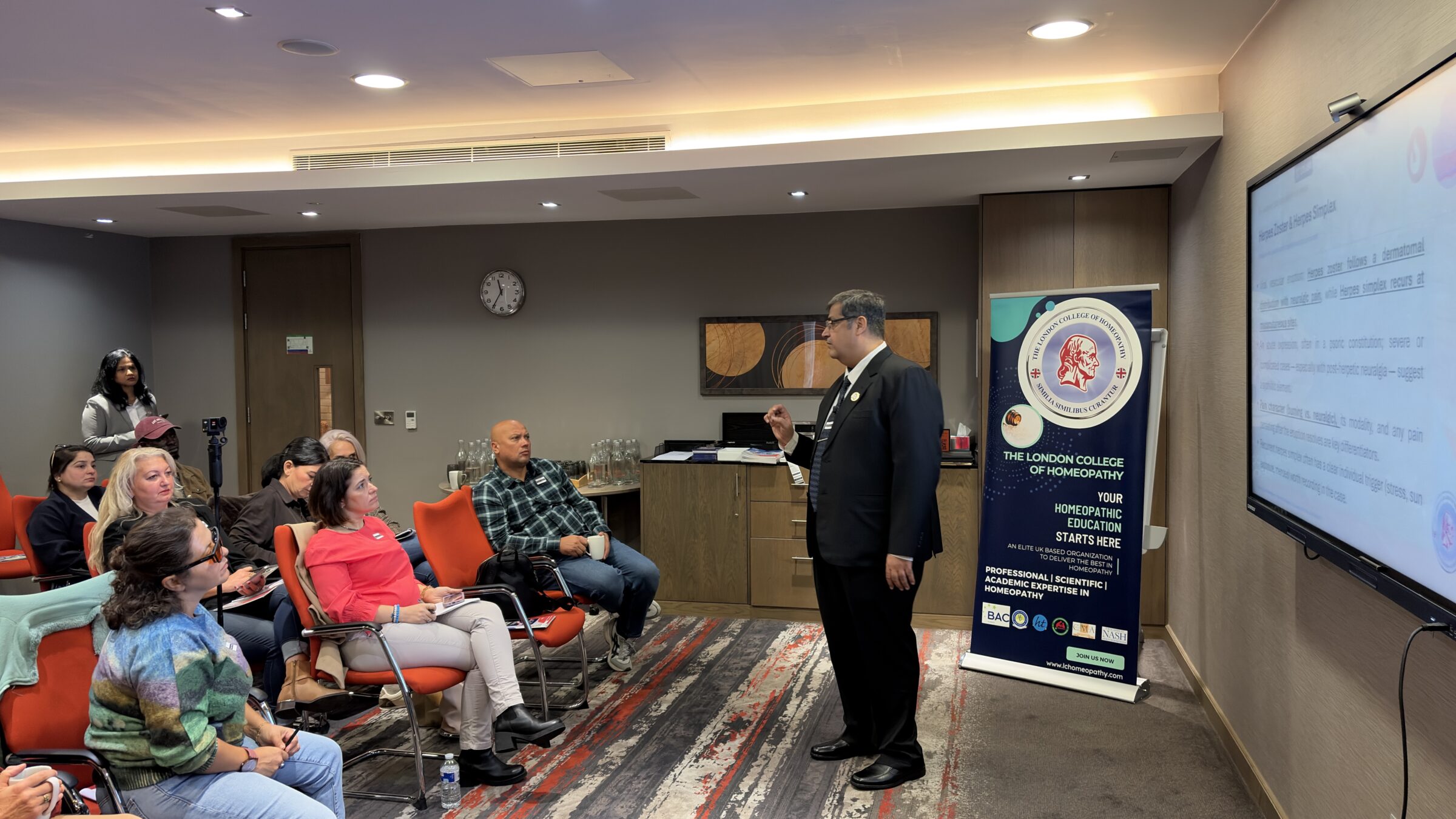
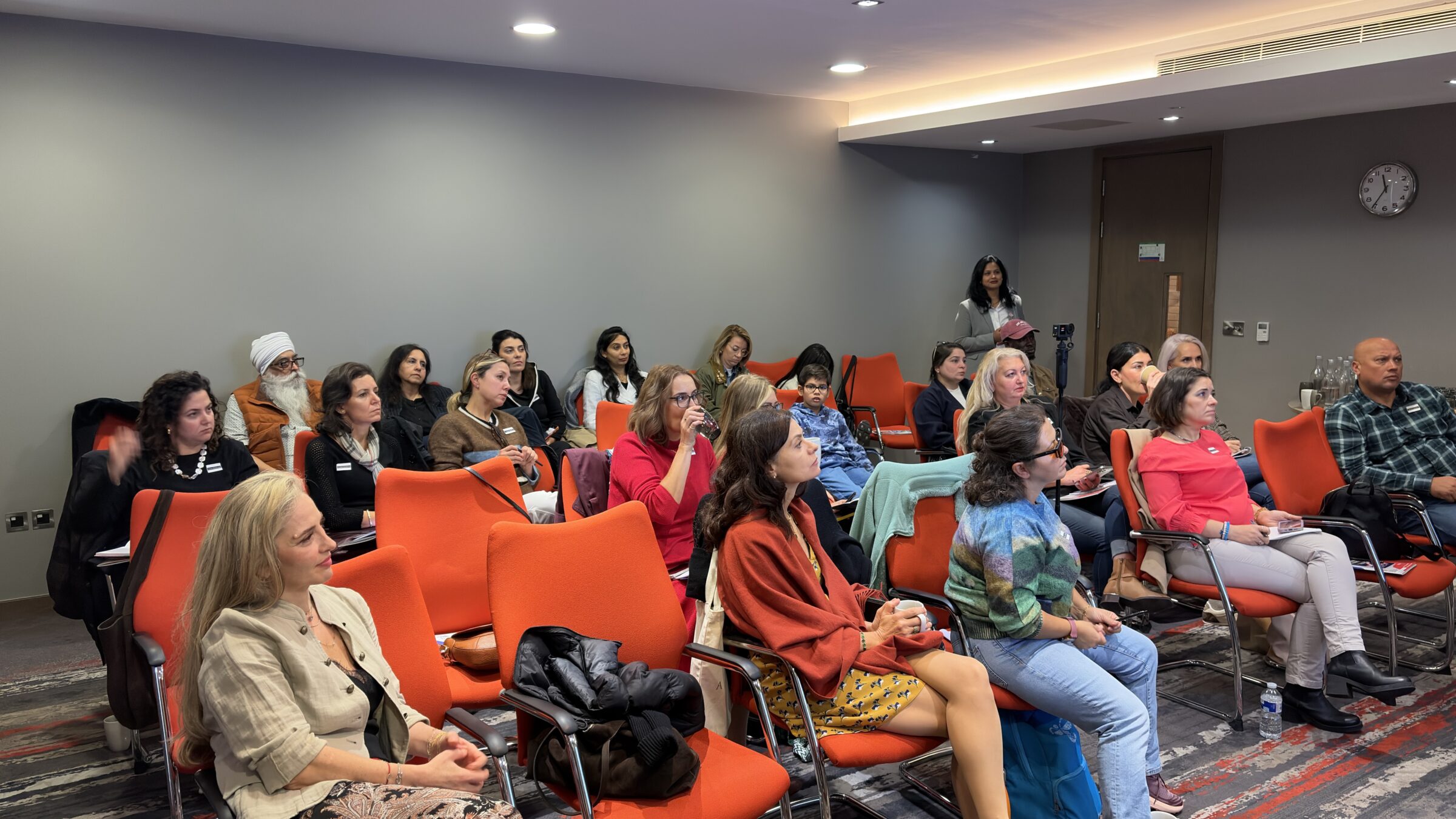
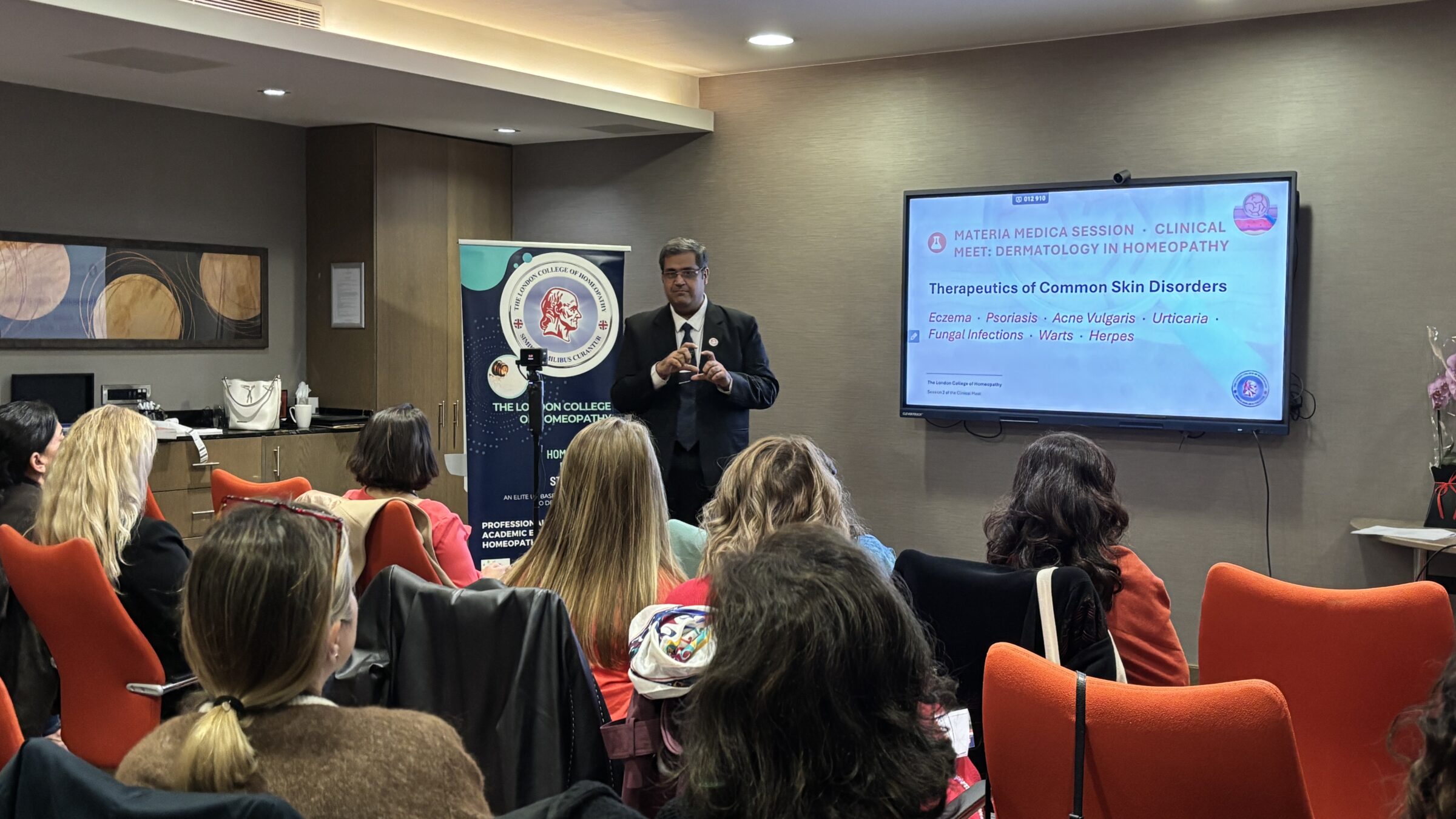
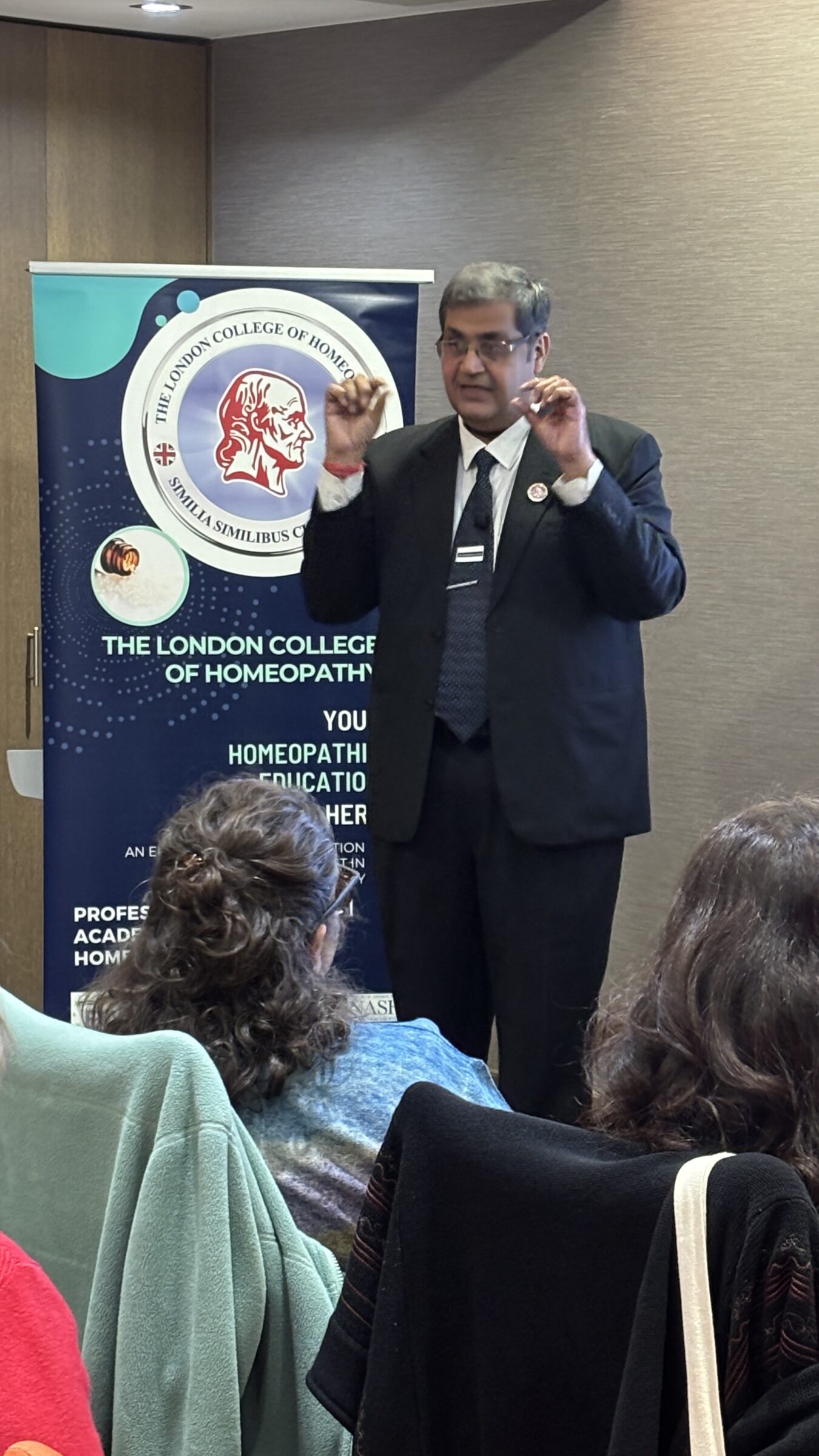
LCH UK Hosts Clinical Meet on “Dermatology in Homeopathy”

Press Note

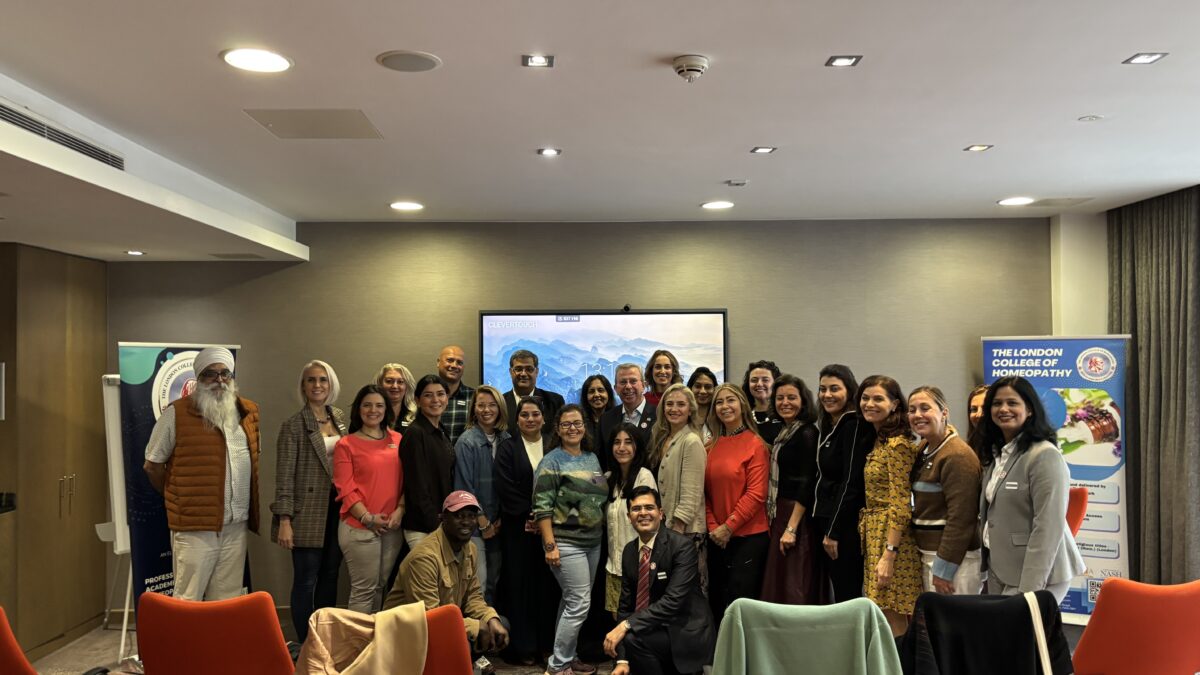
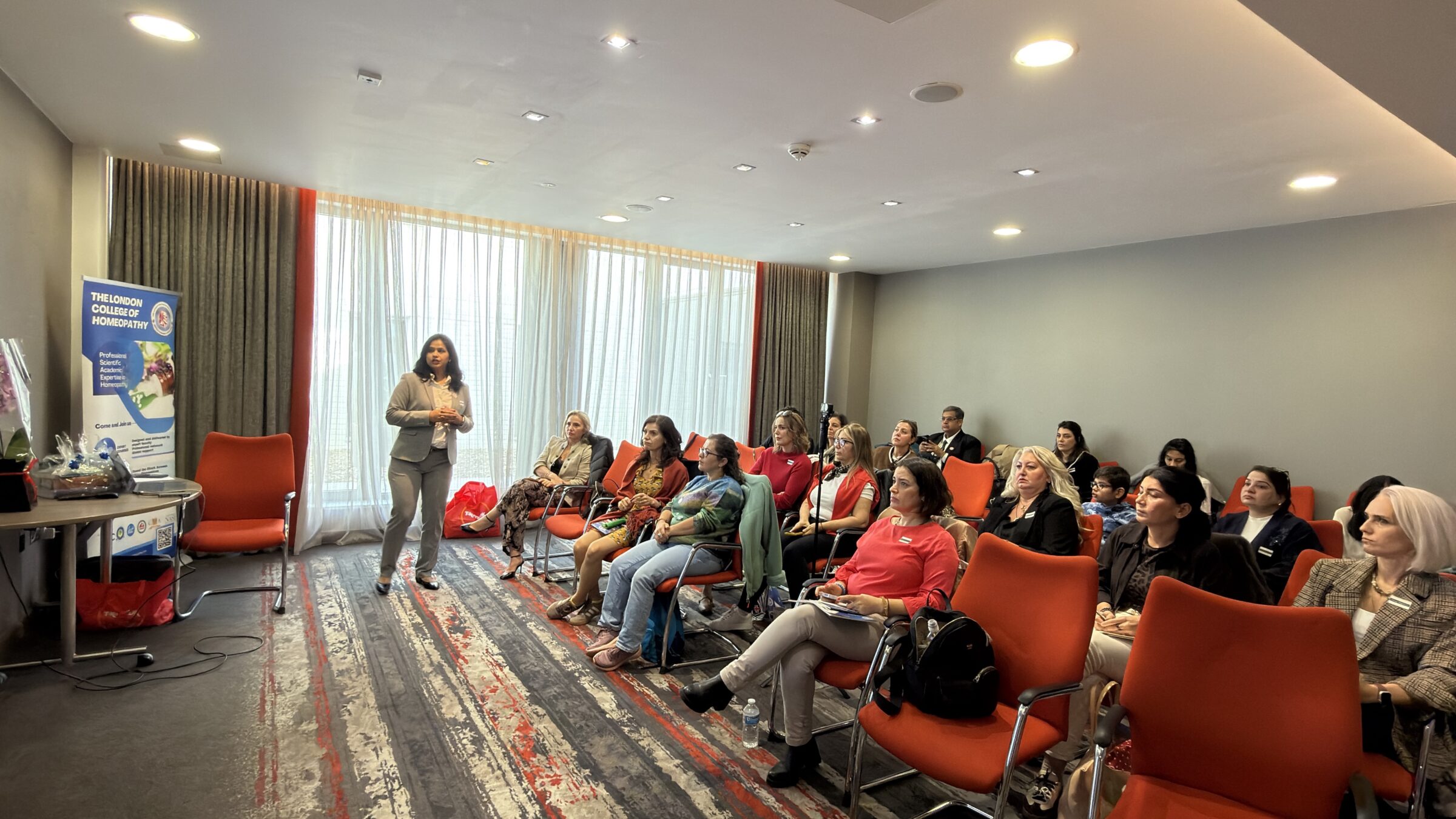
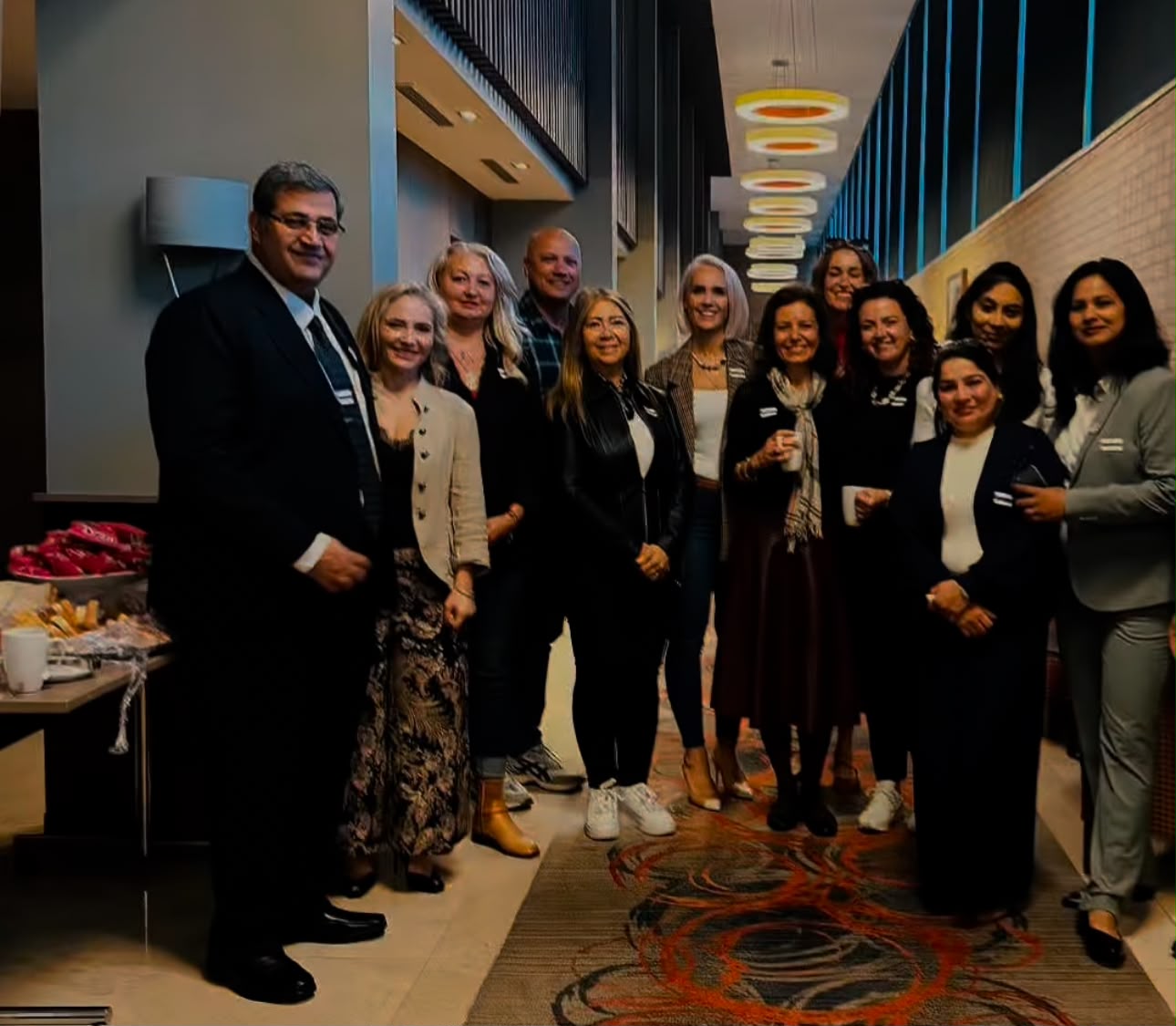
Practitioners, students and faculty of LCH UK came together for a day of therapeutics, case discussion and open debate on the homeopathic management of skin diseases.

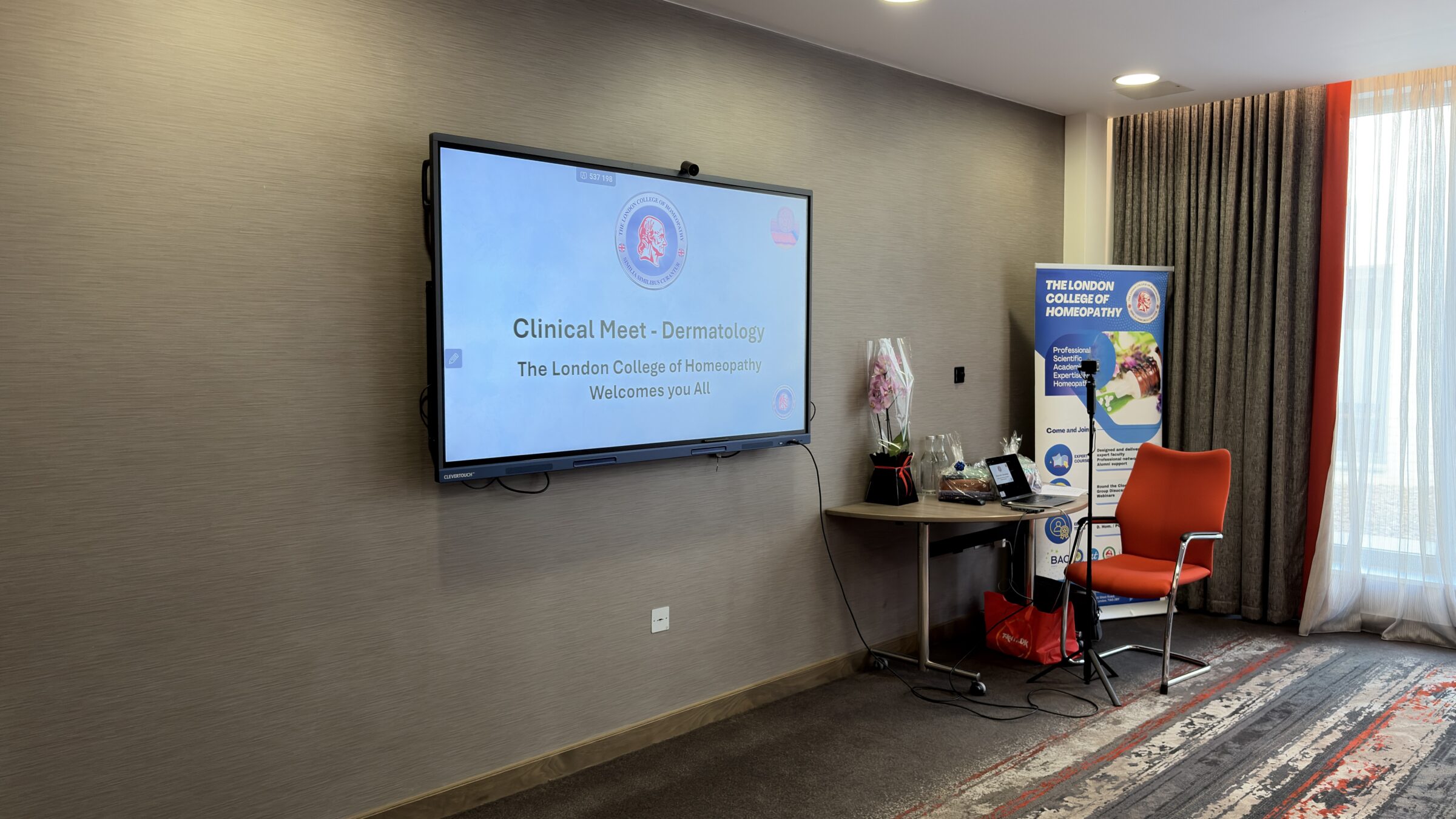
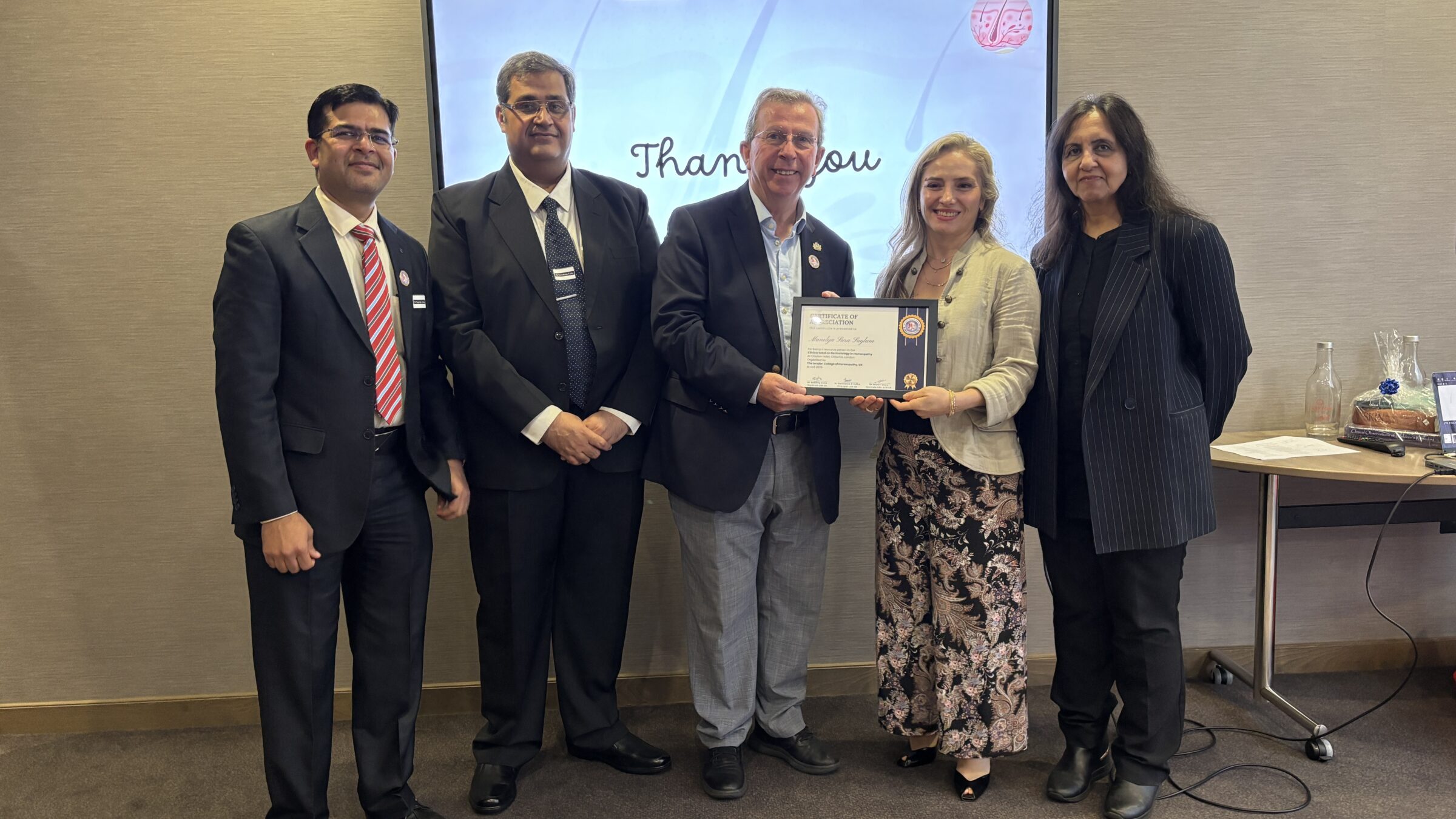
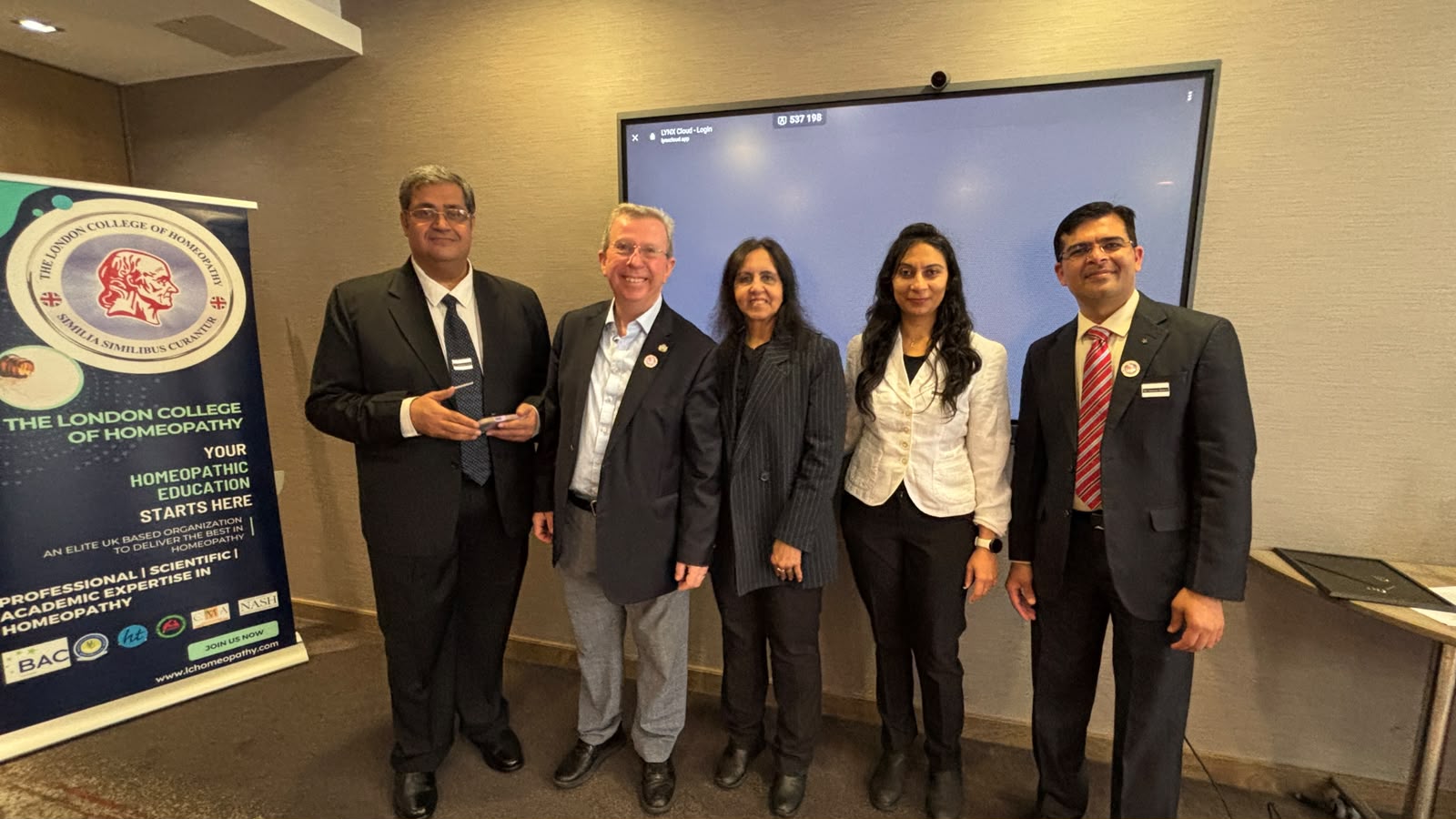
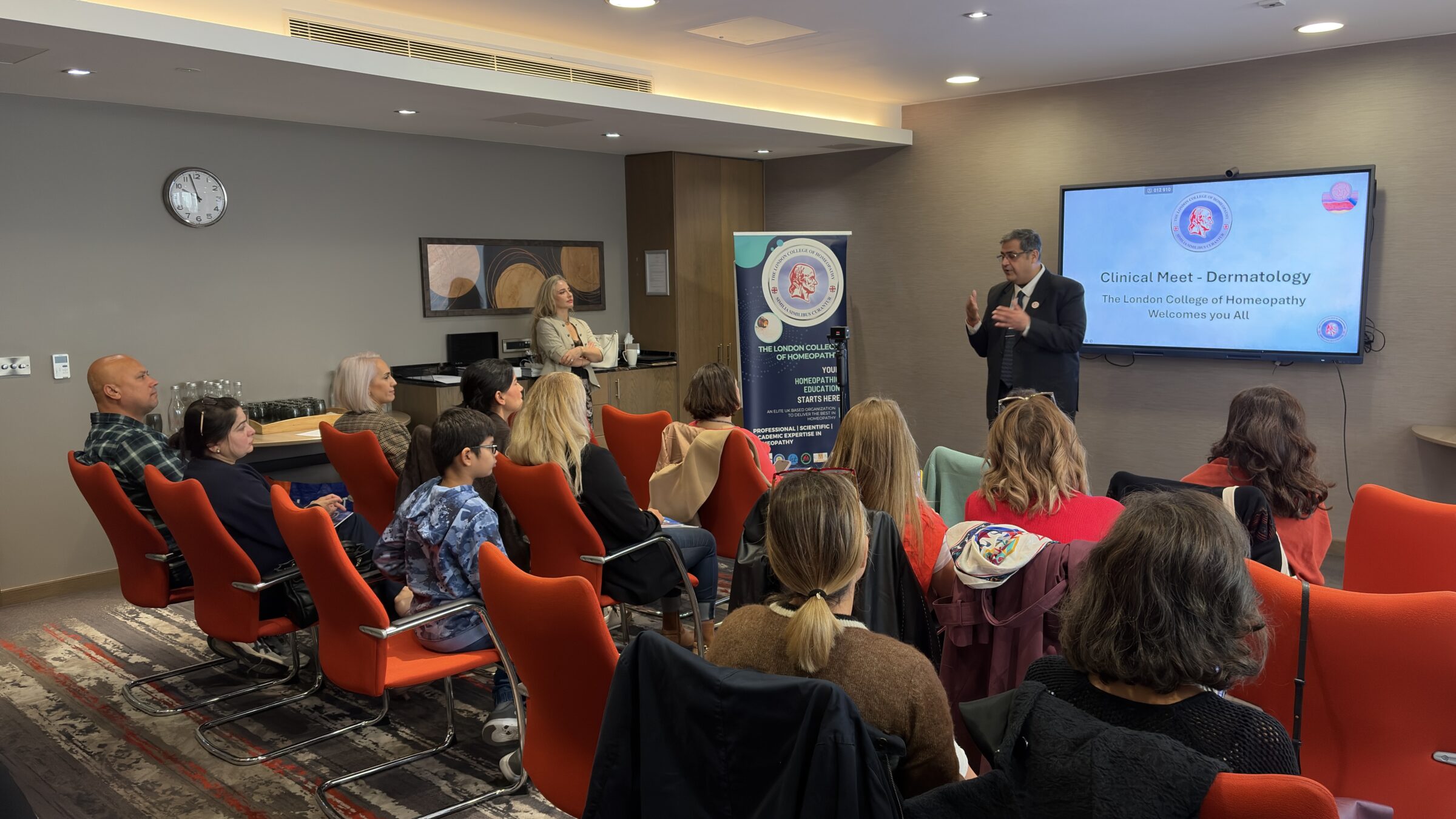
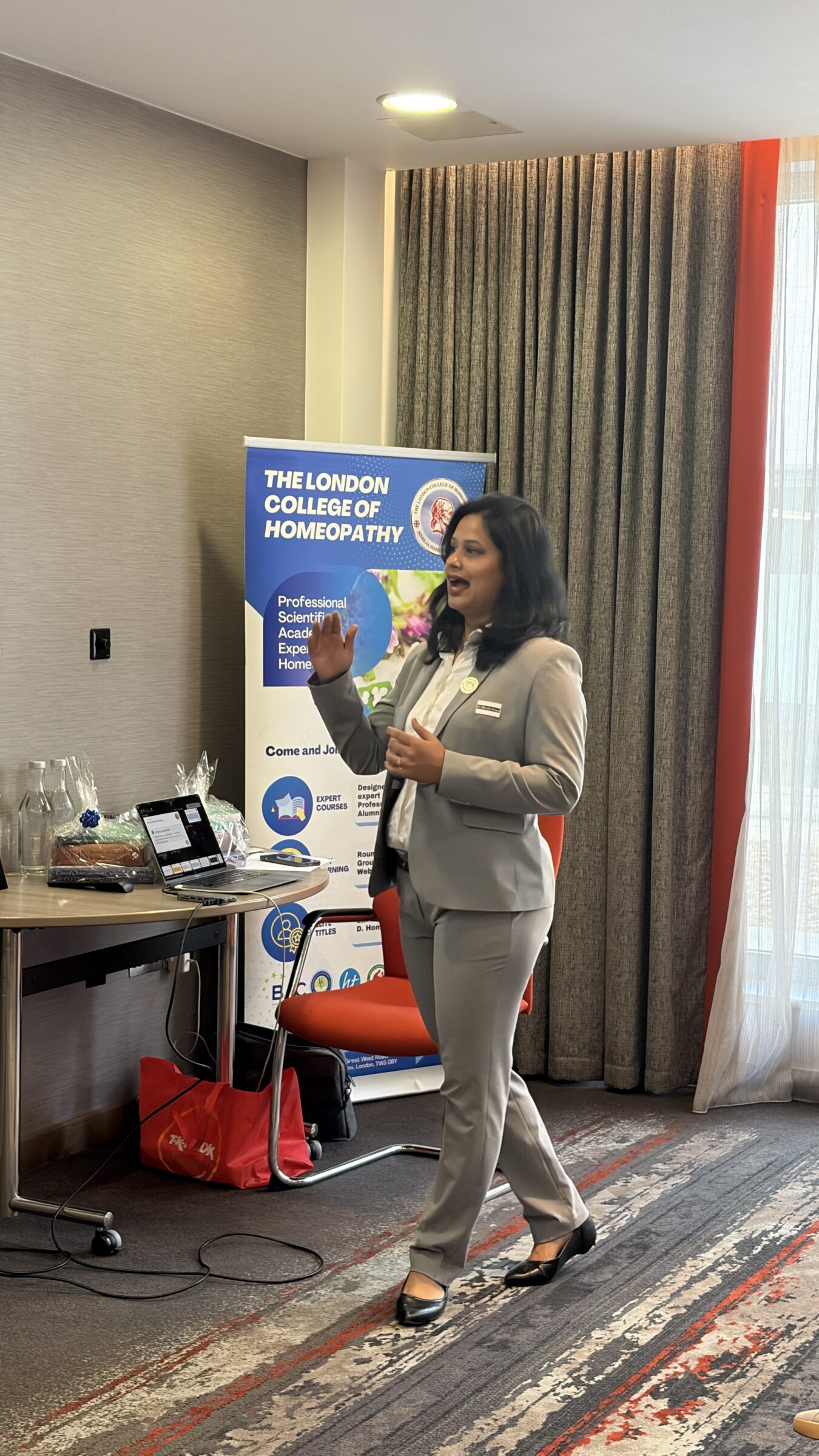
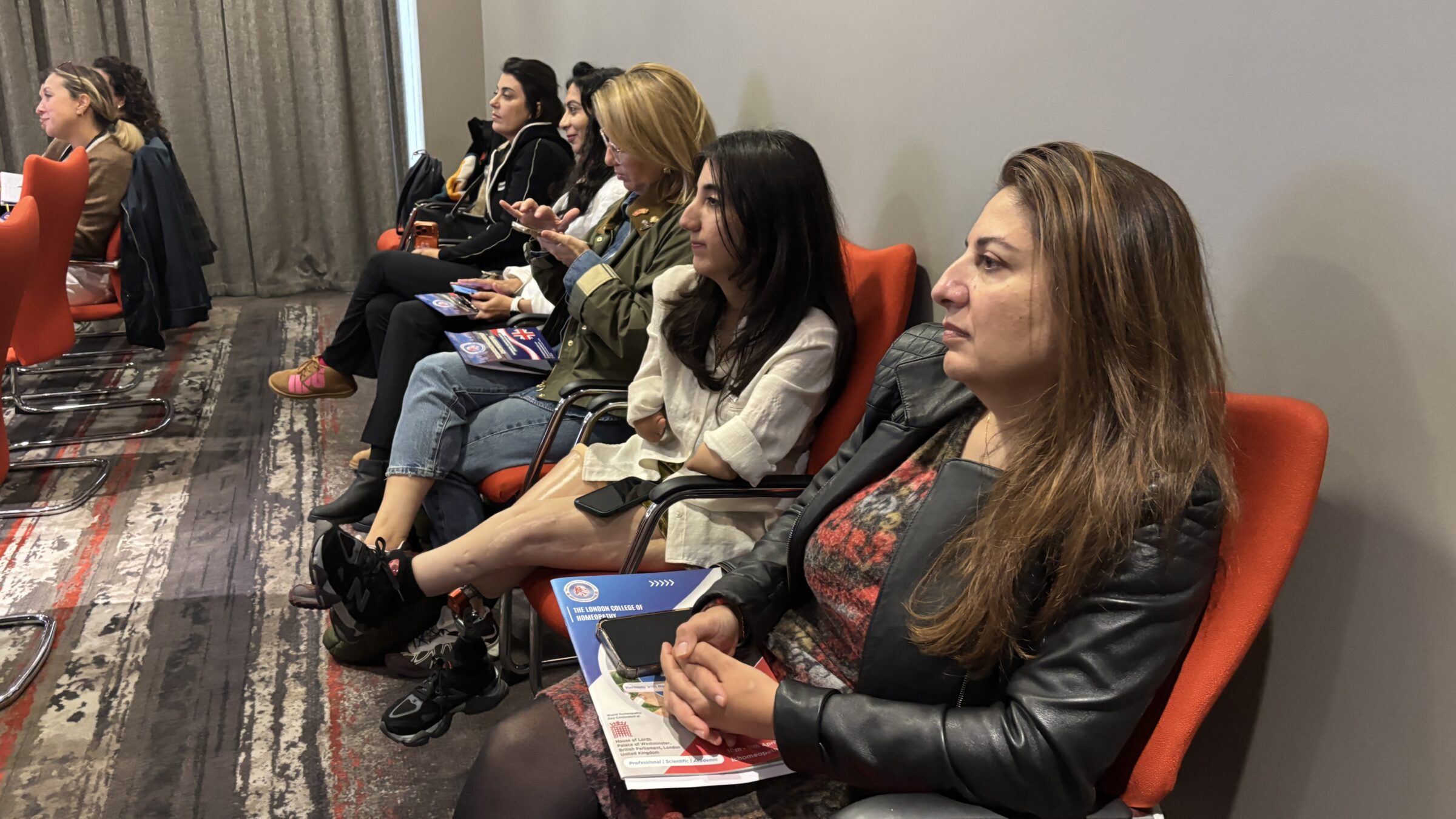
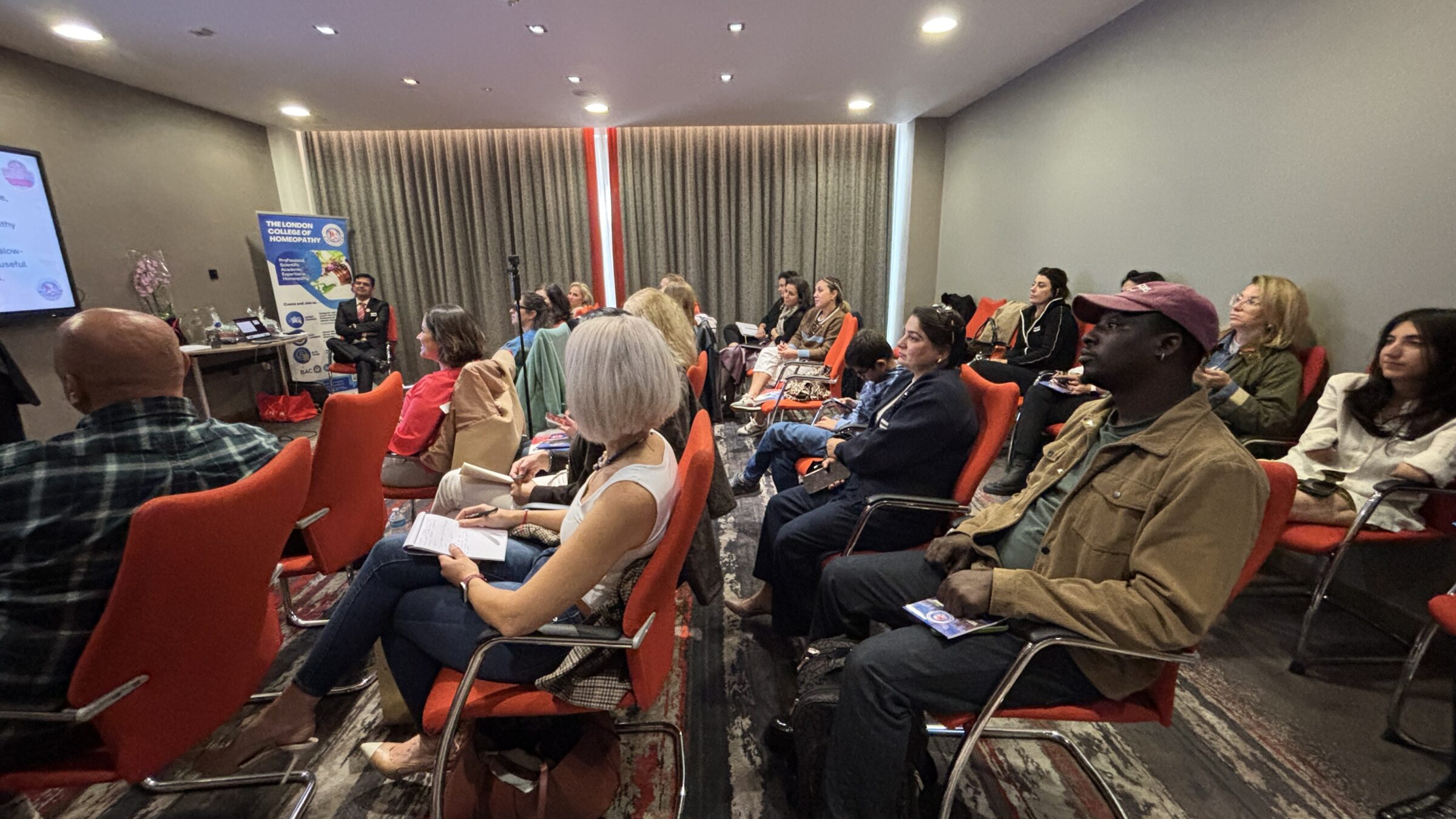
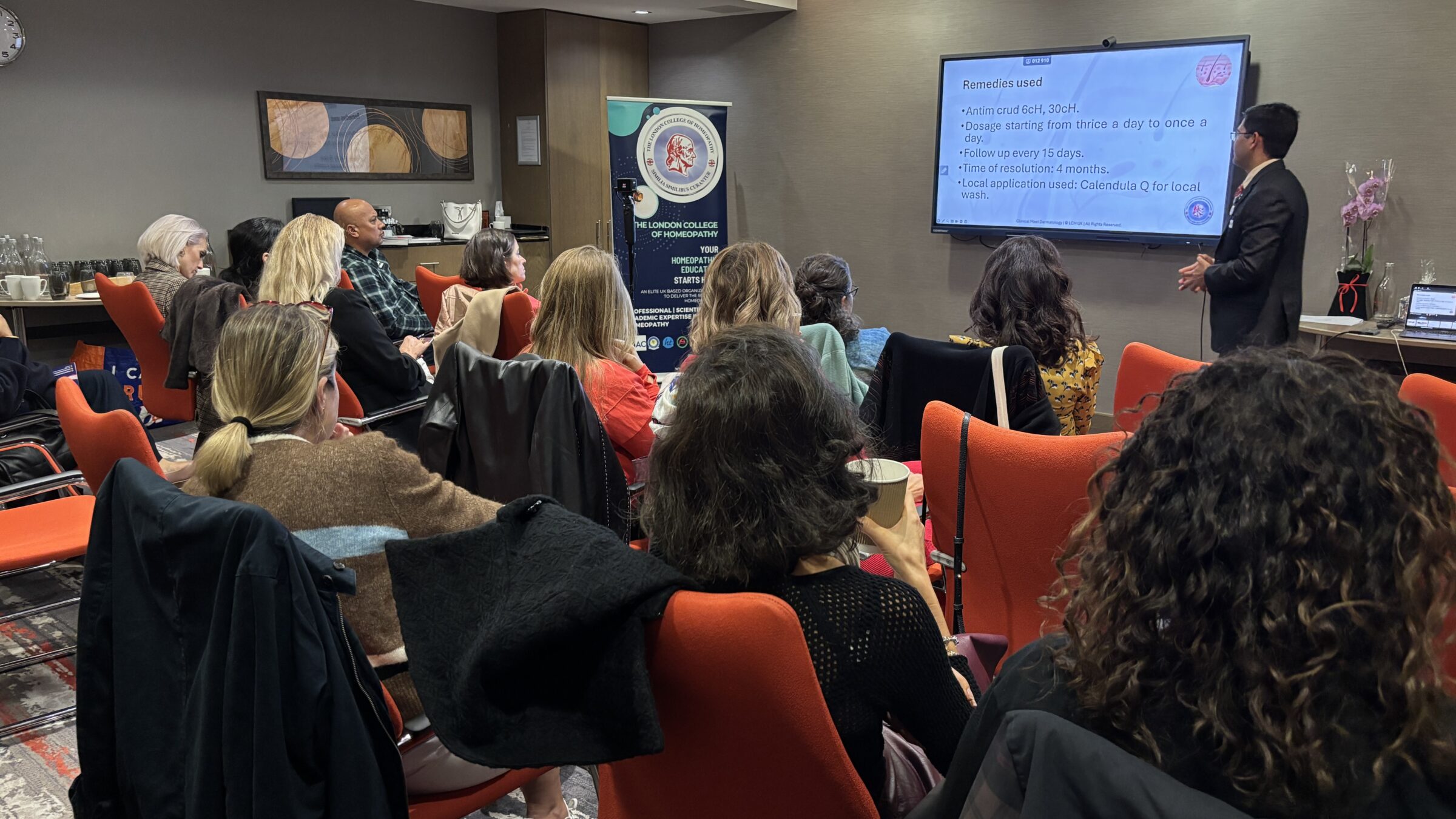
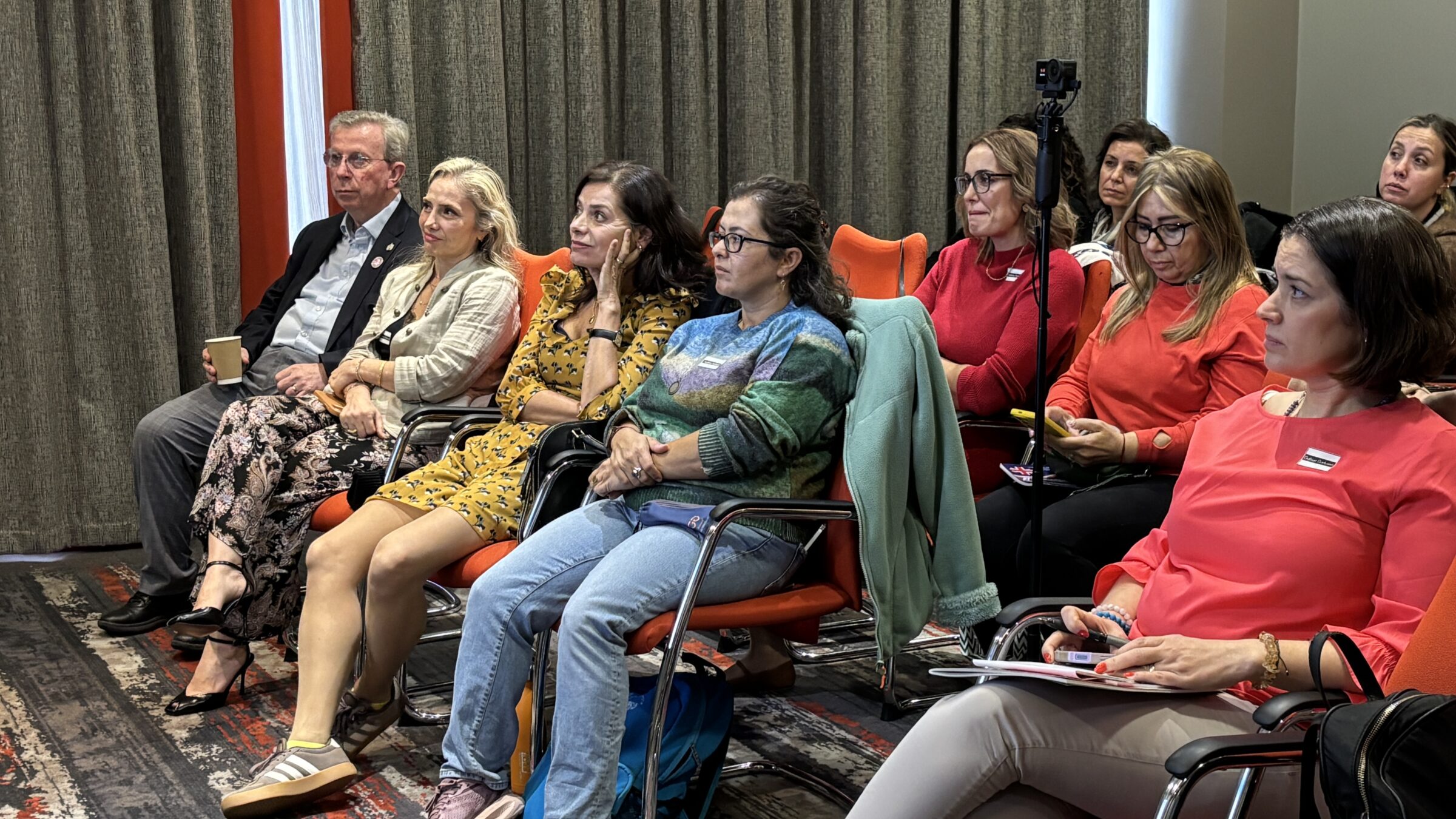
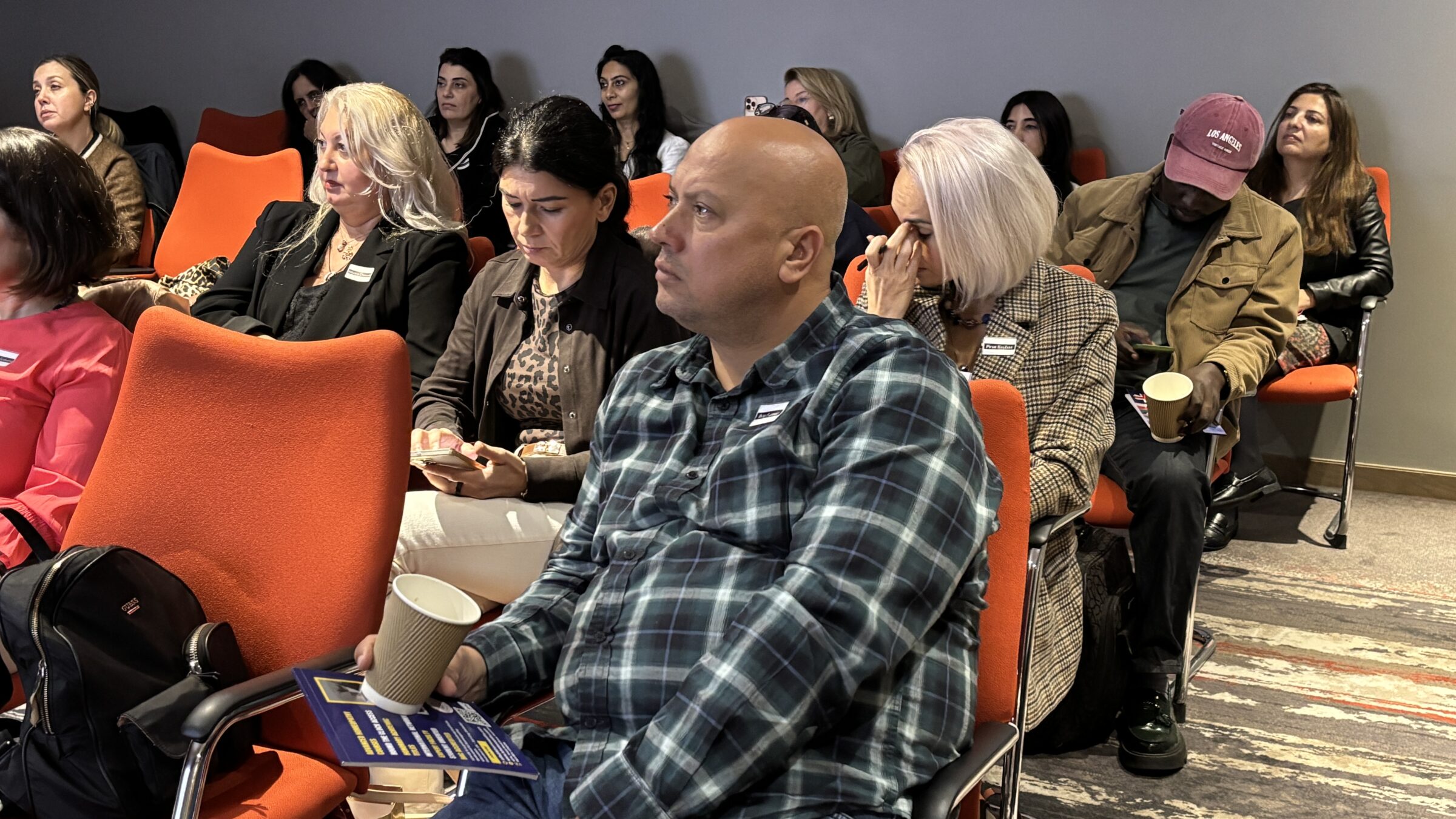
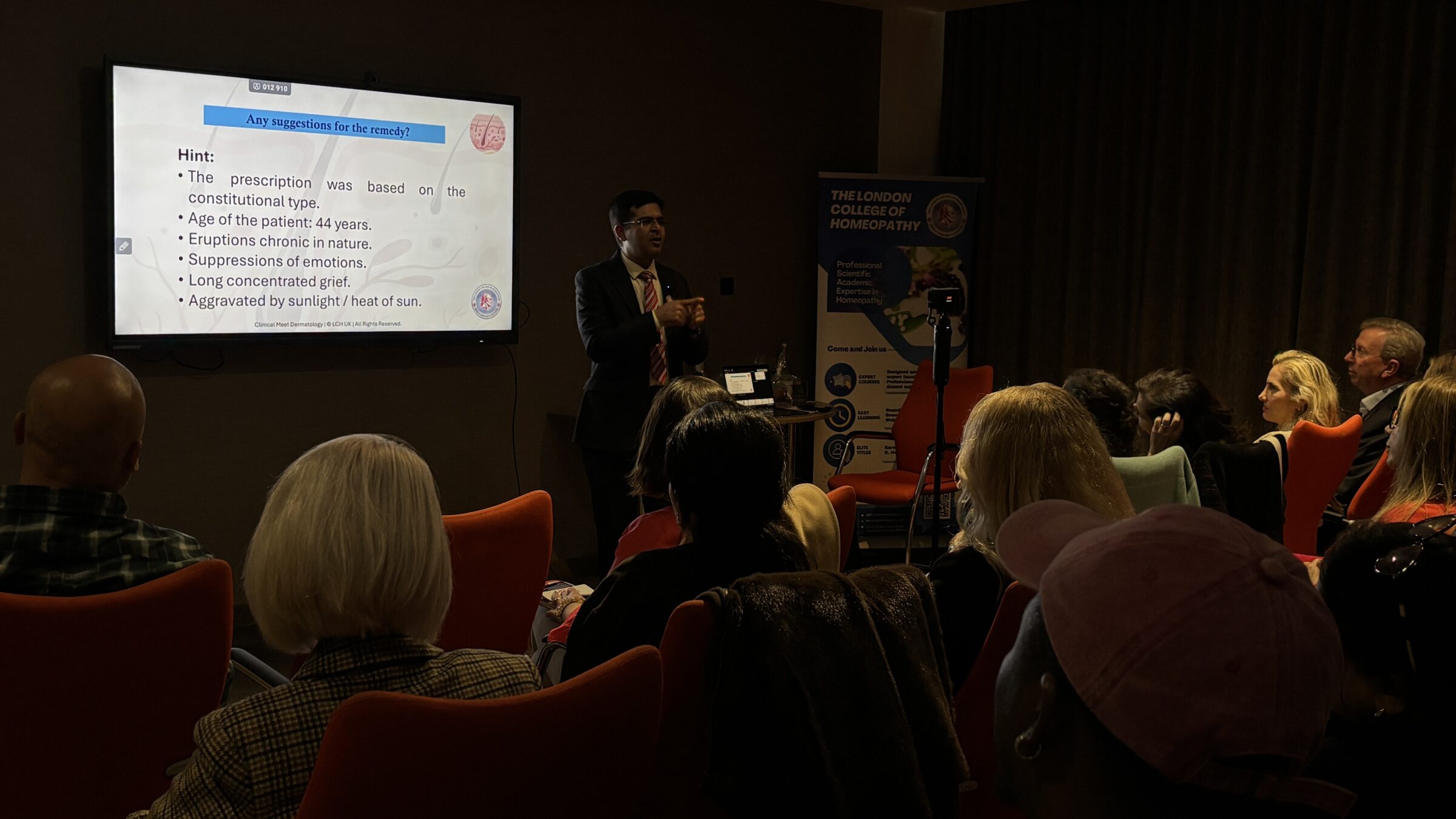
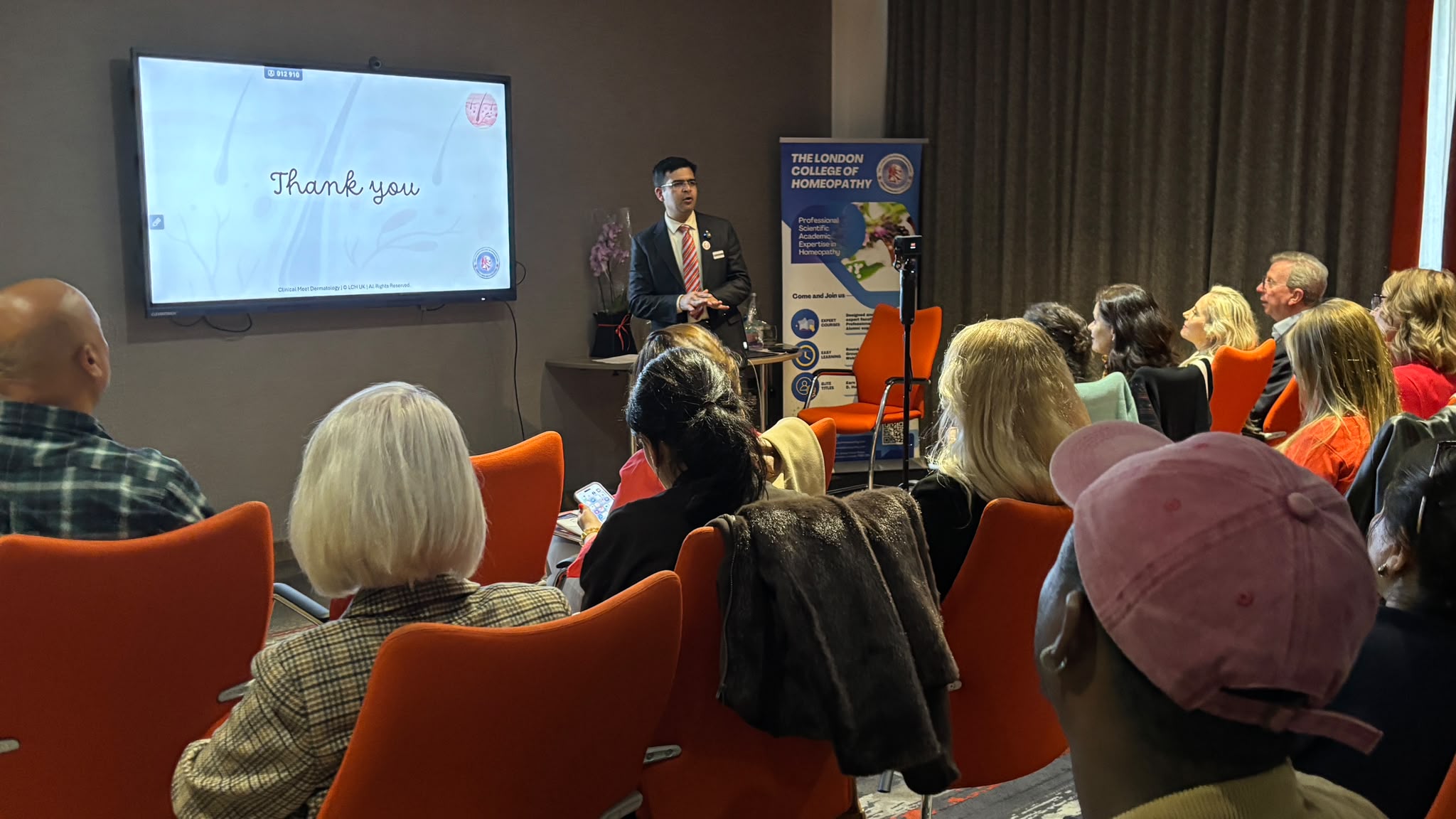
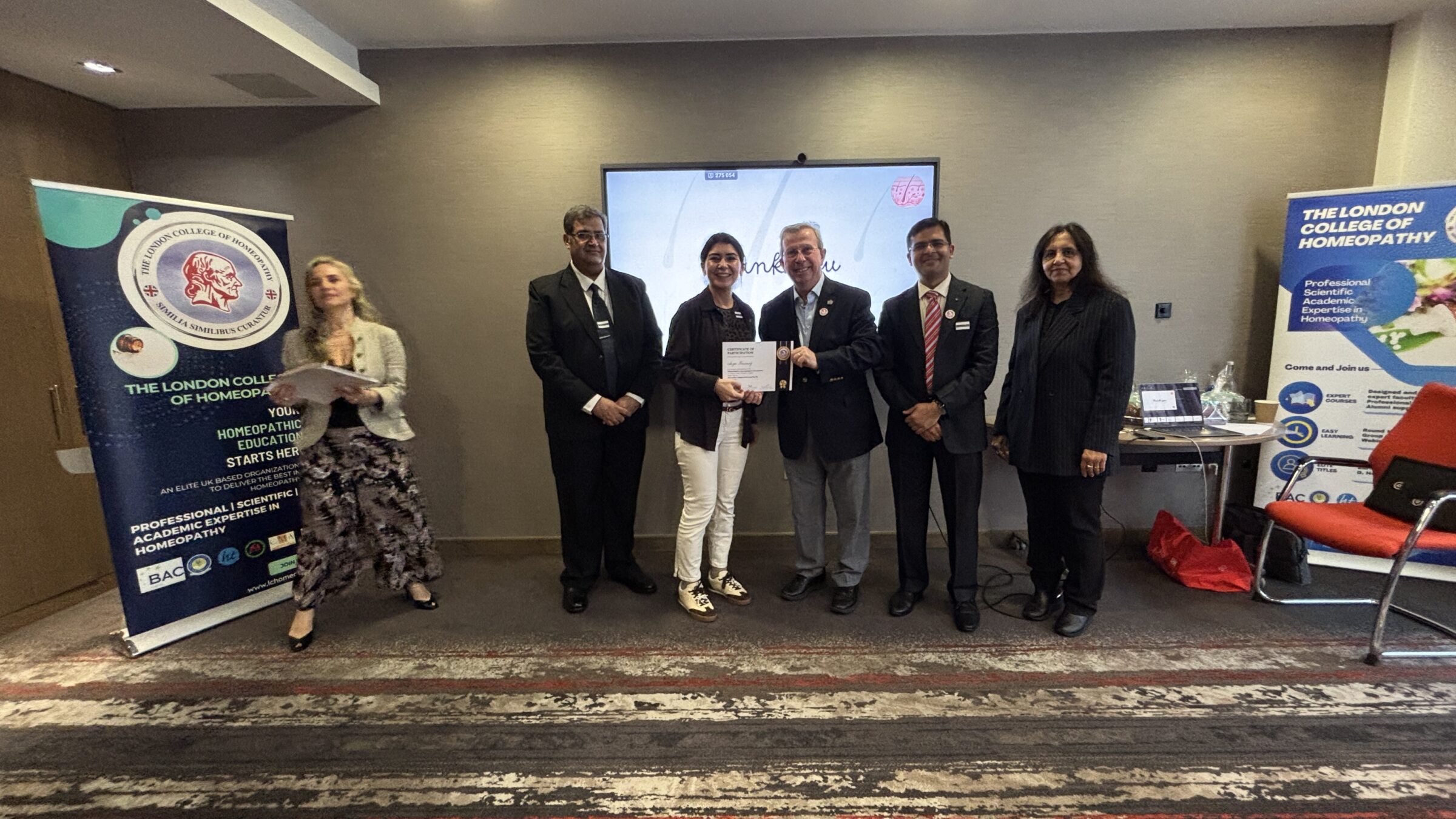
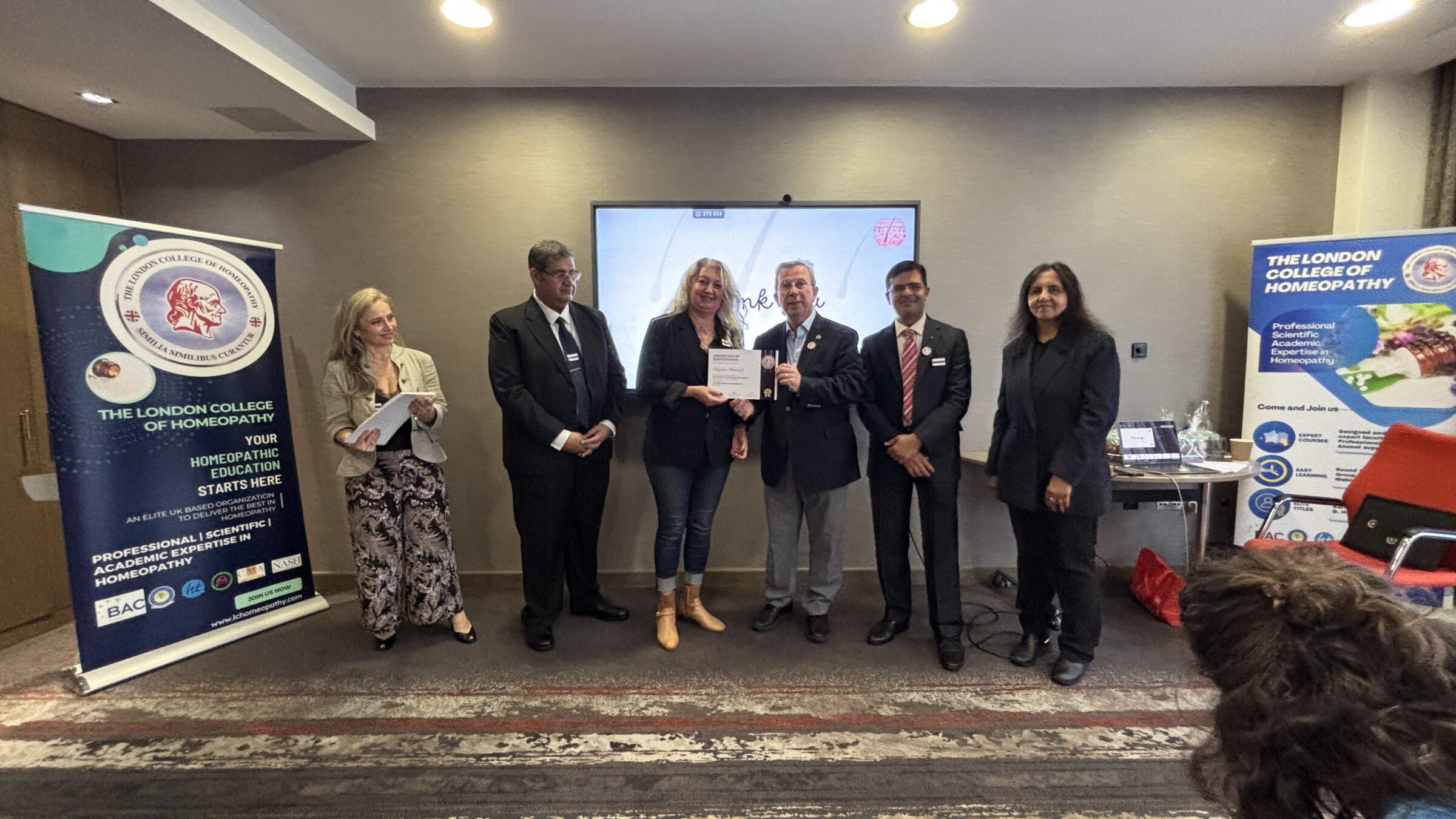
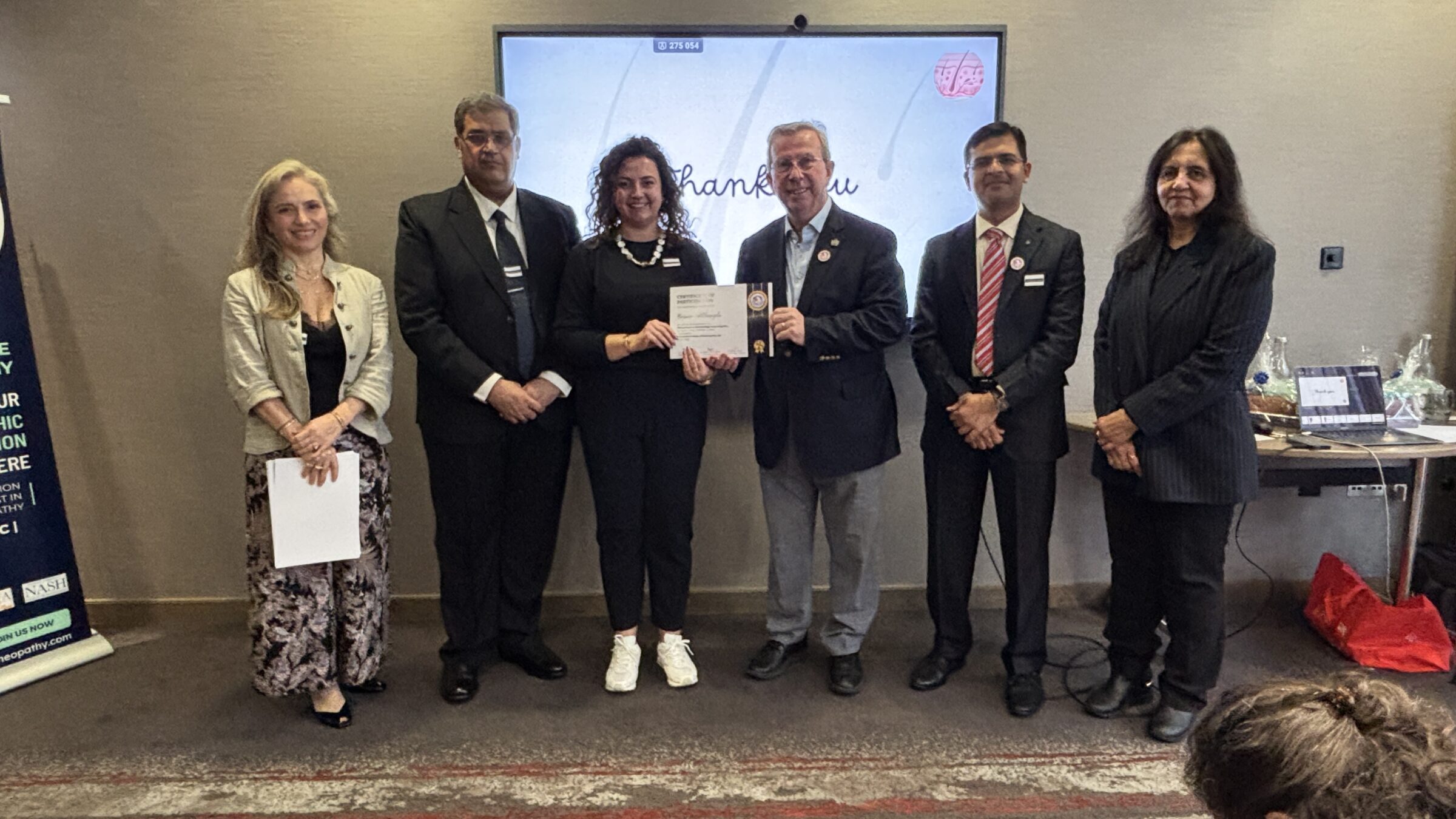
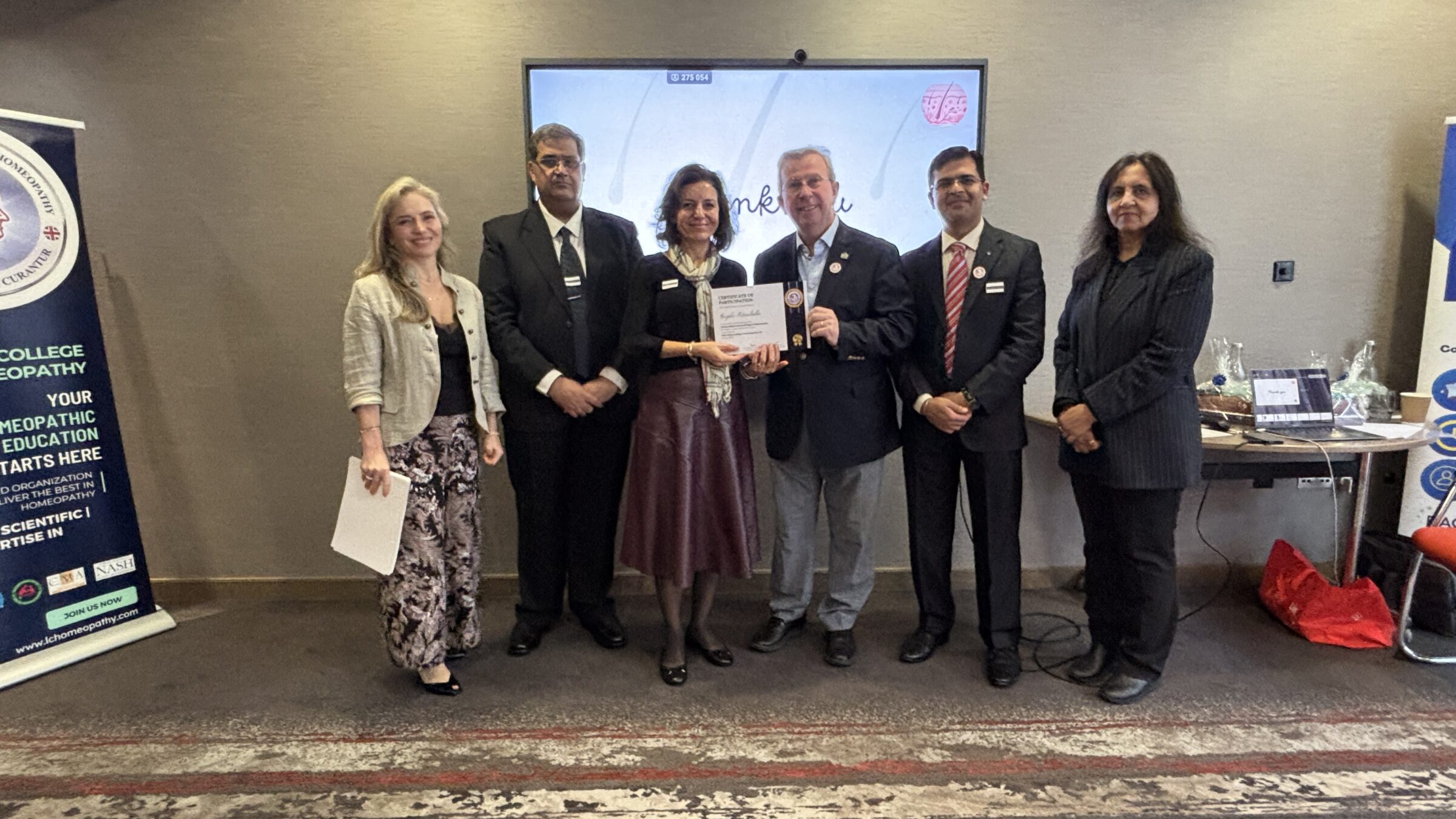
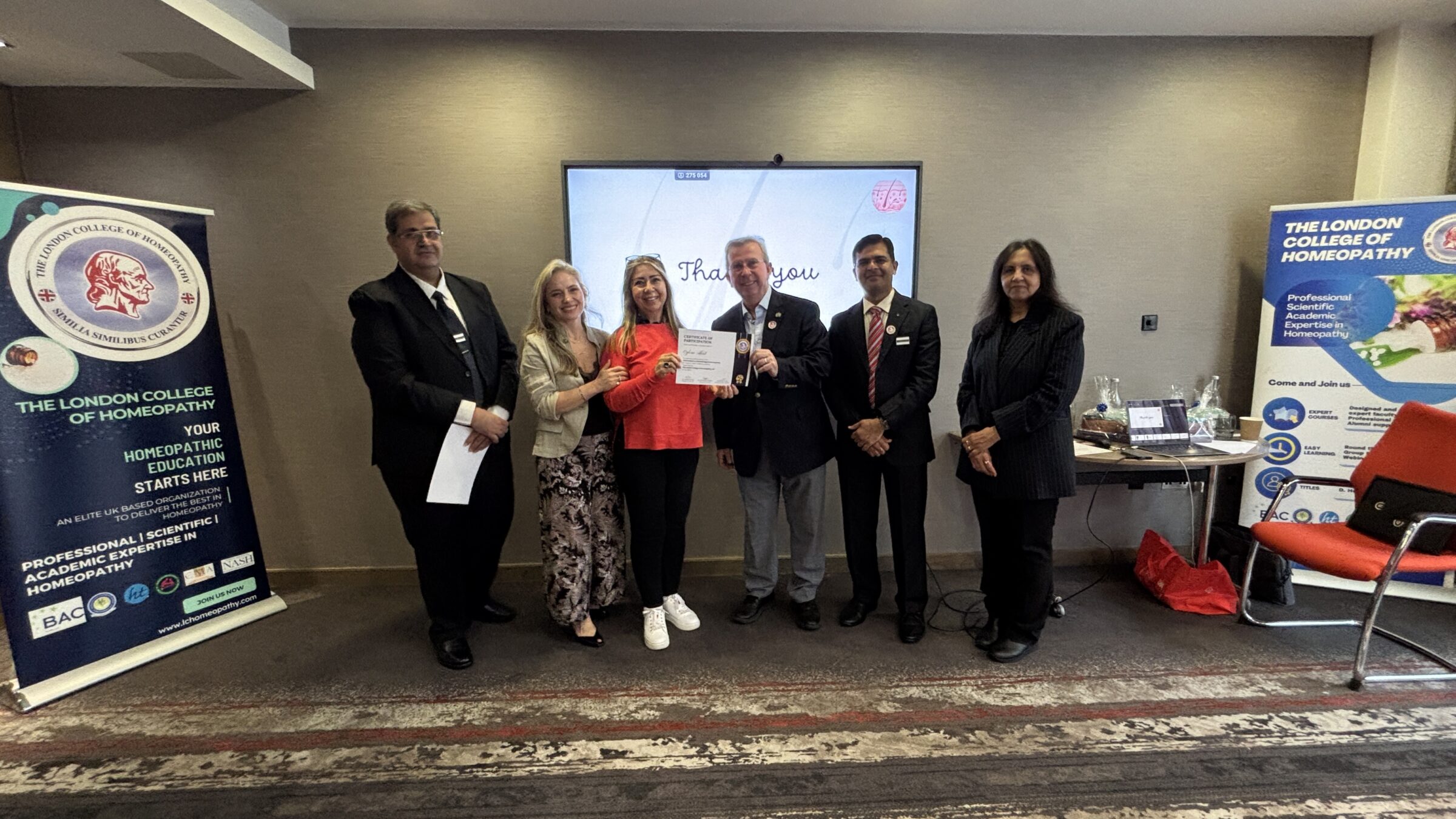
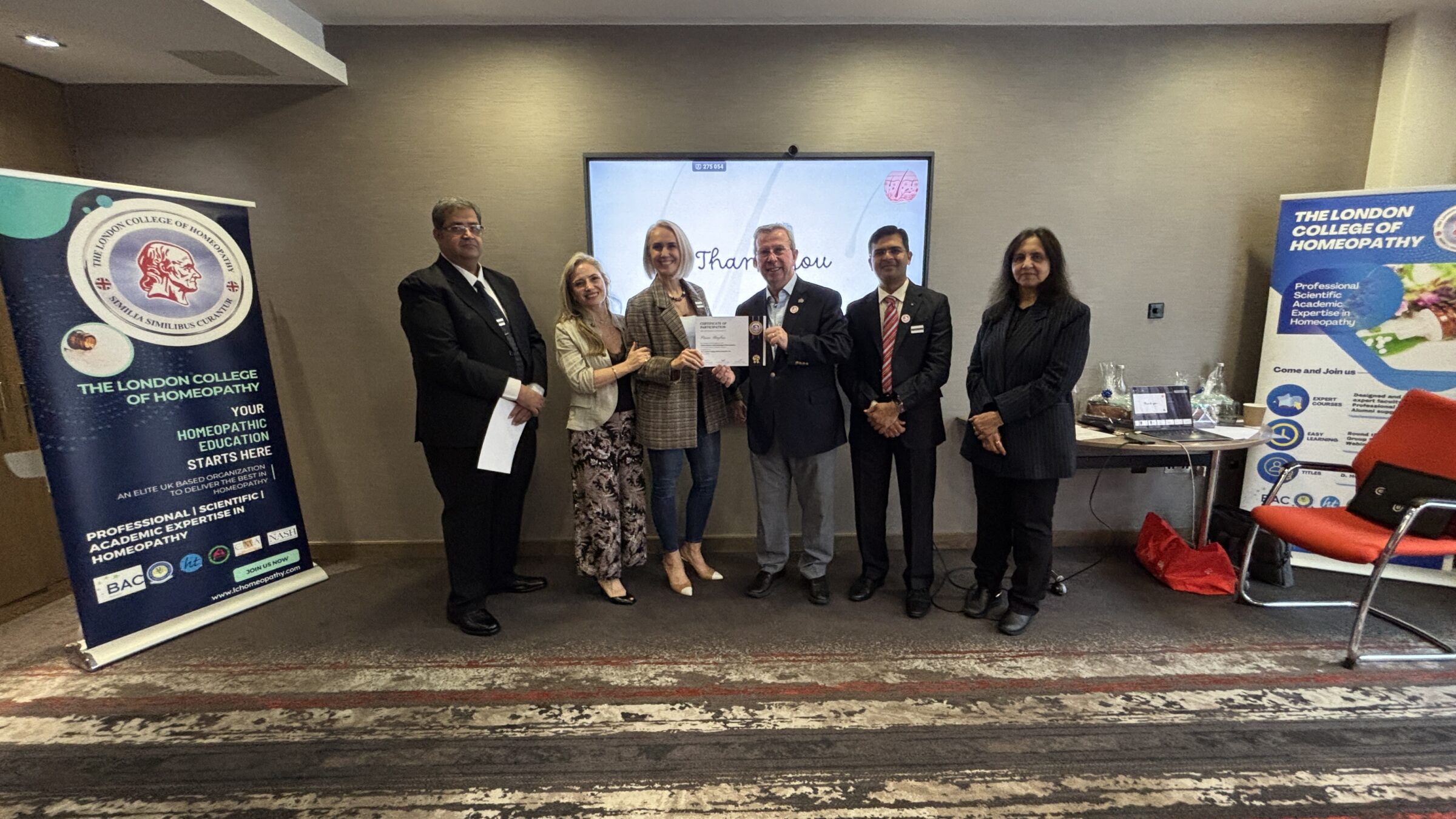
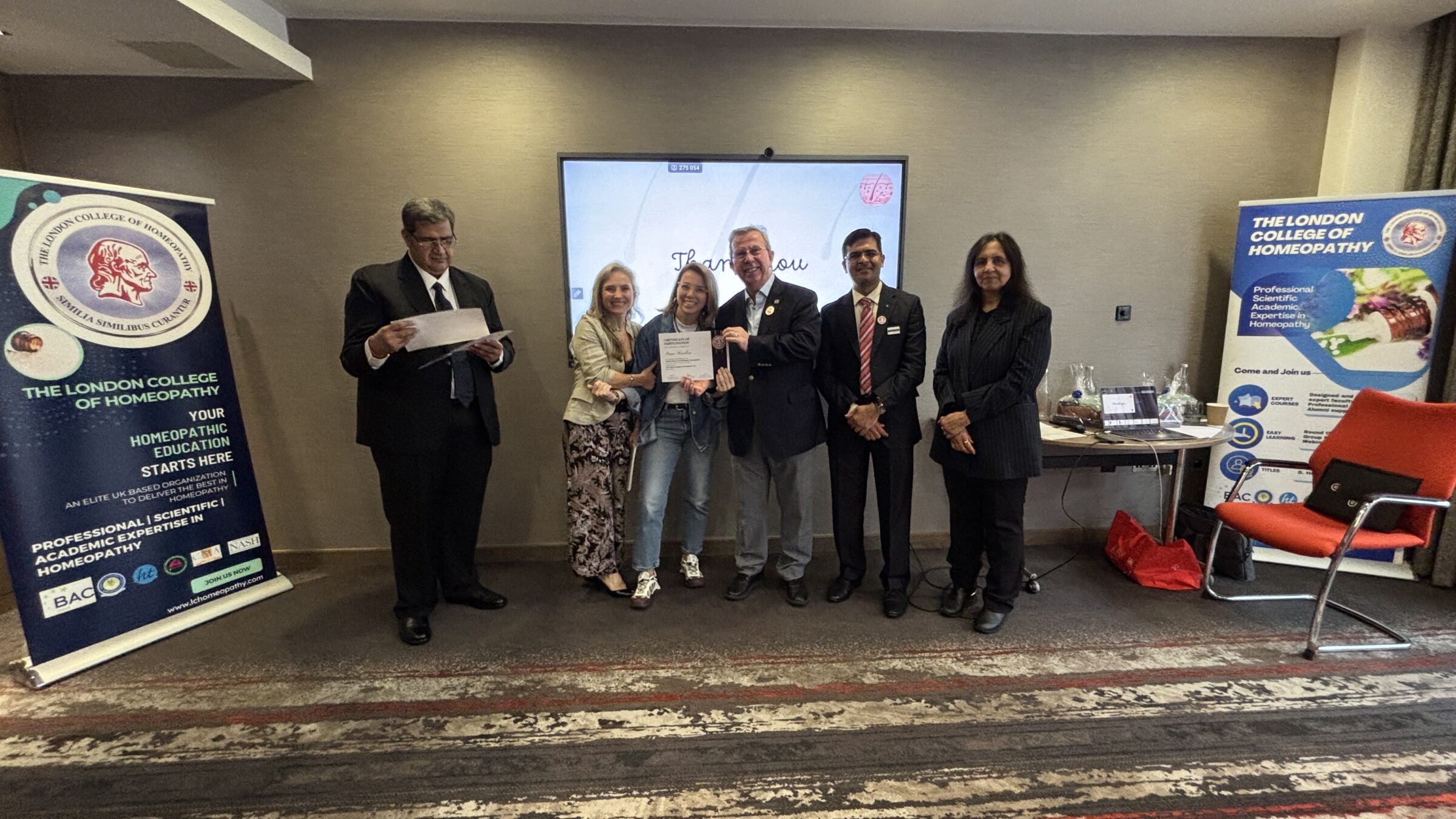
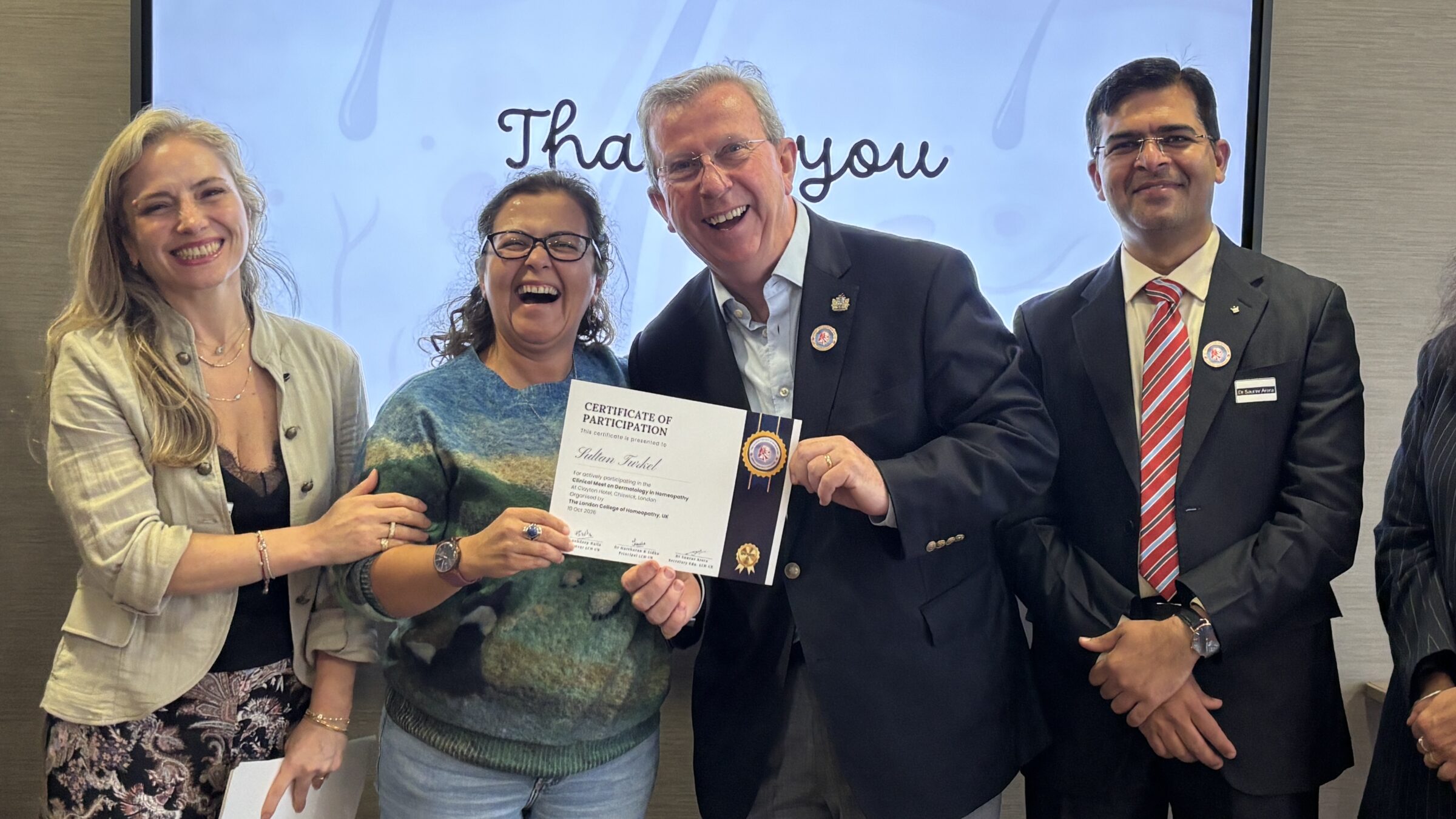
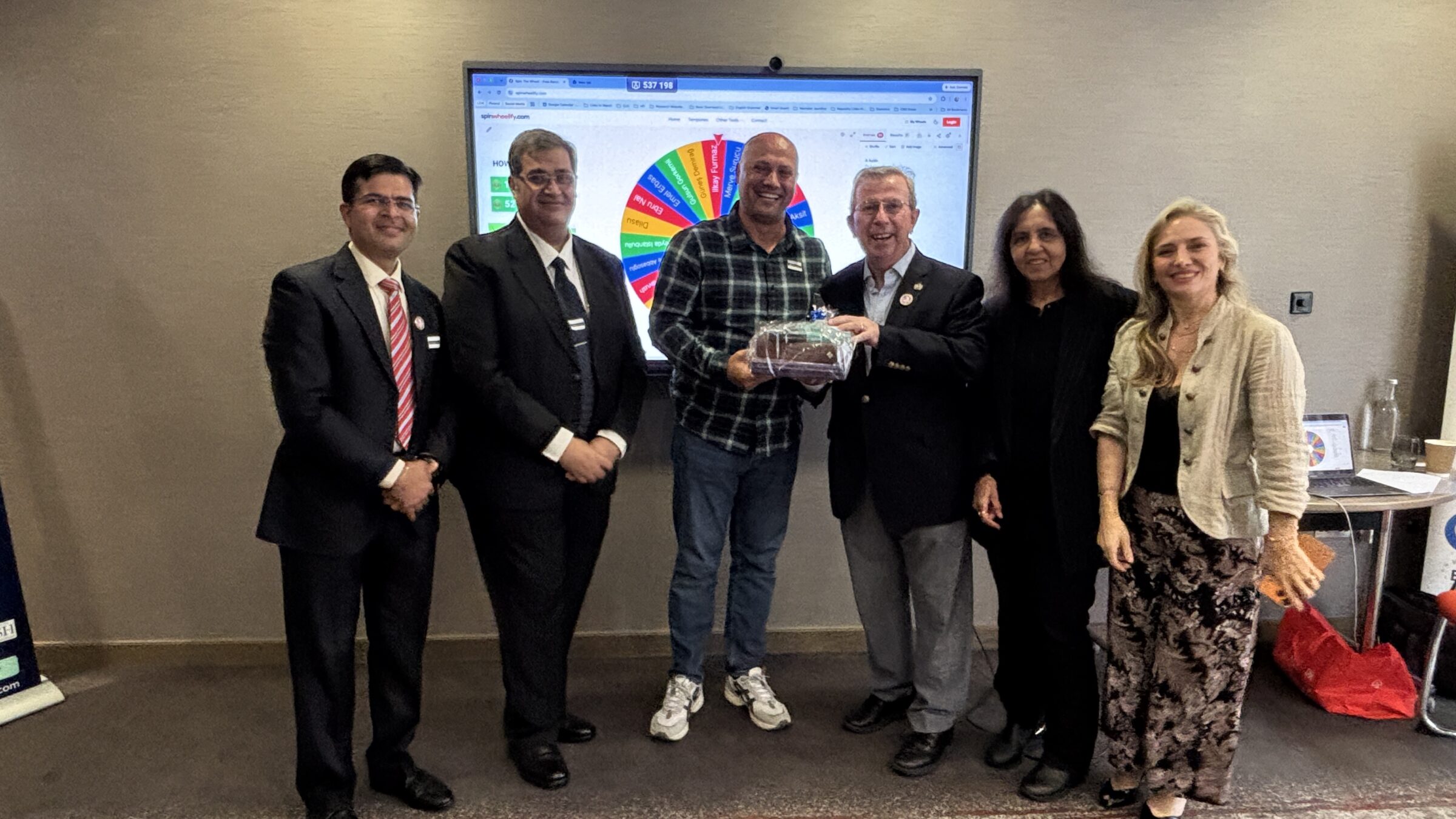
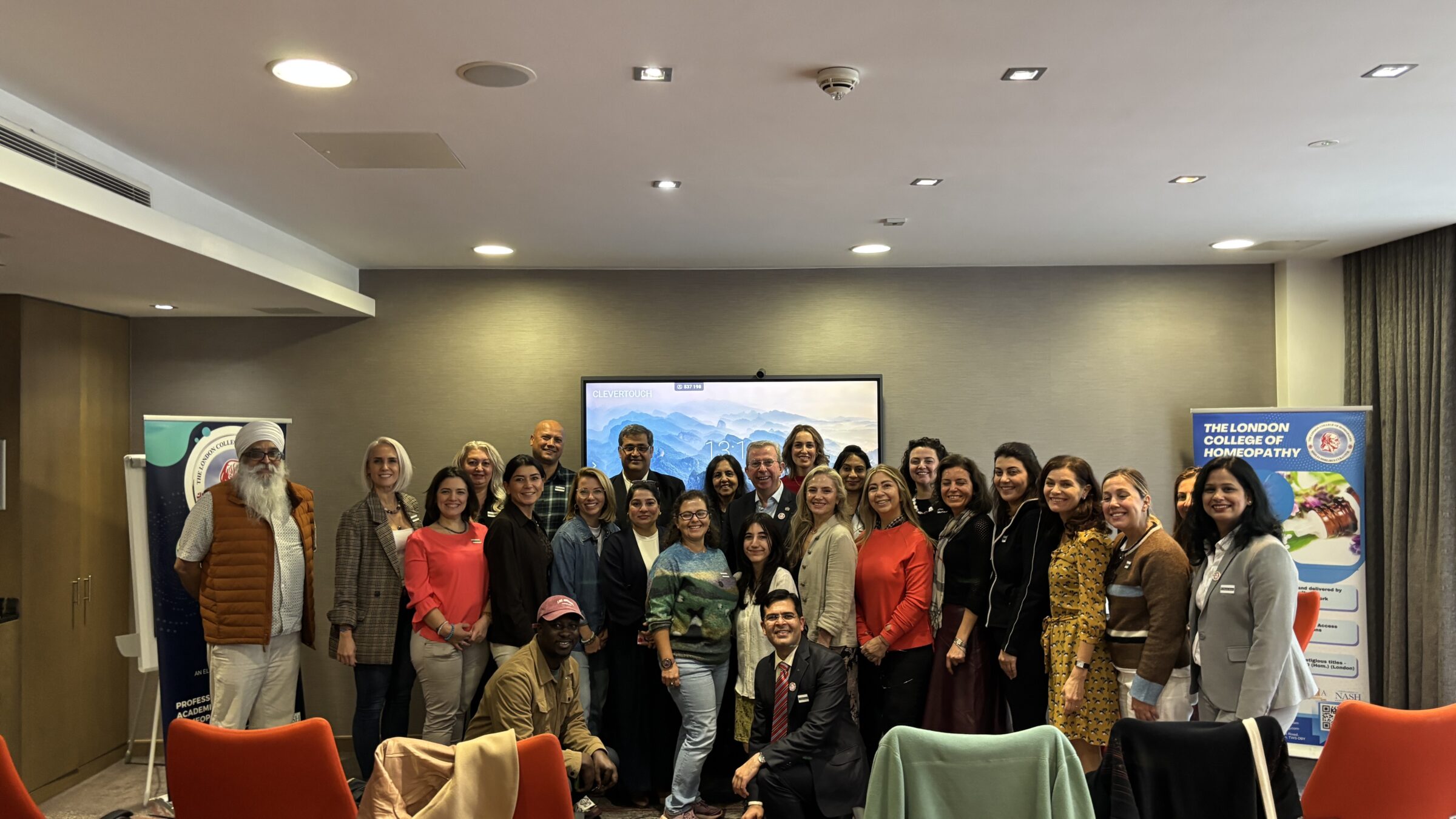
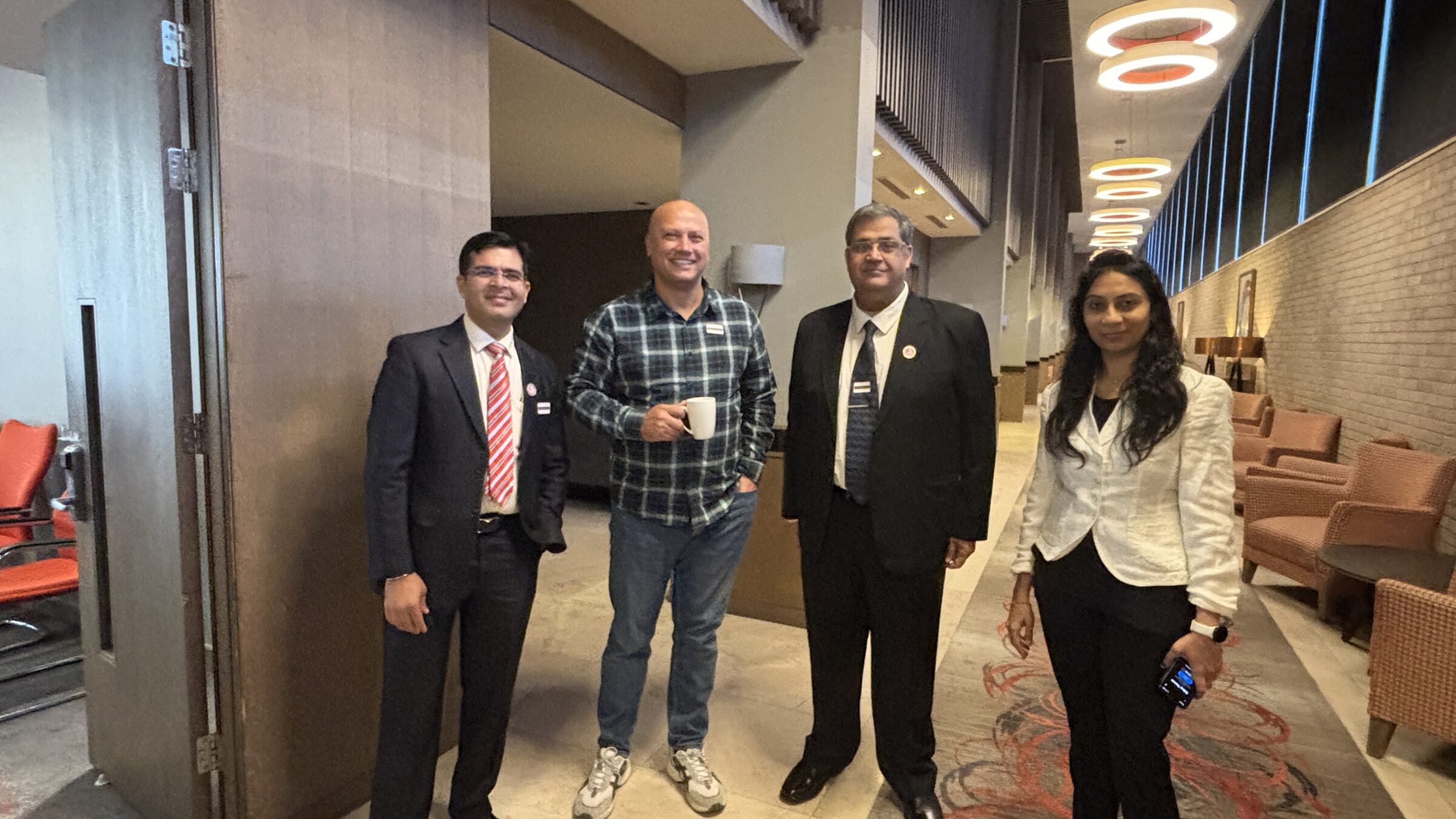
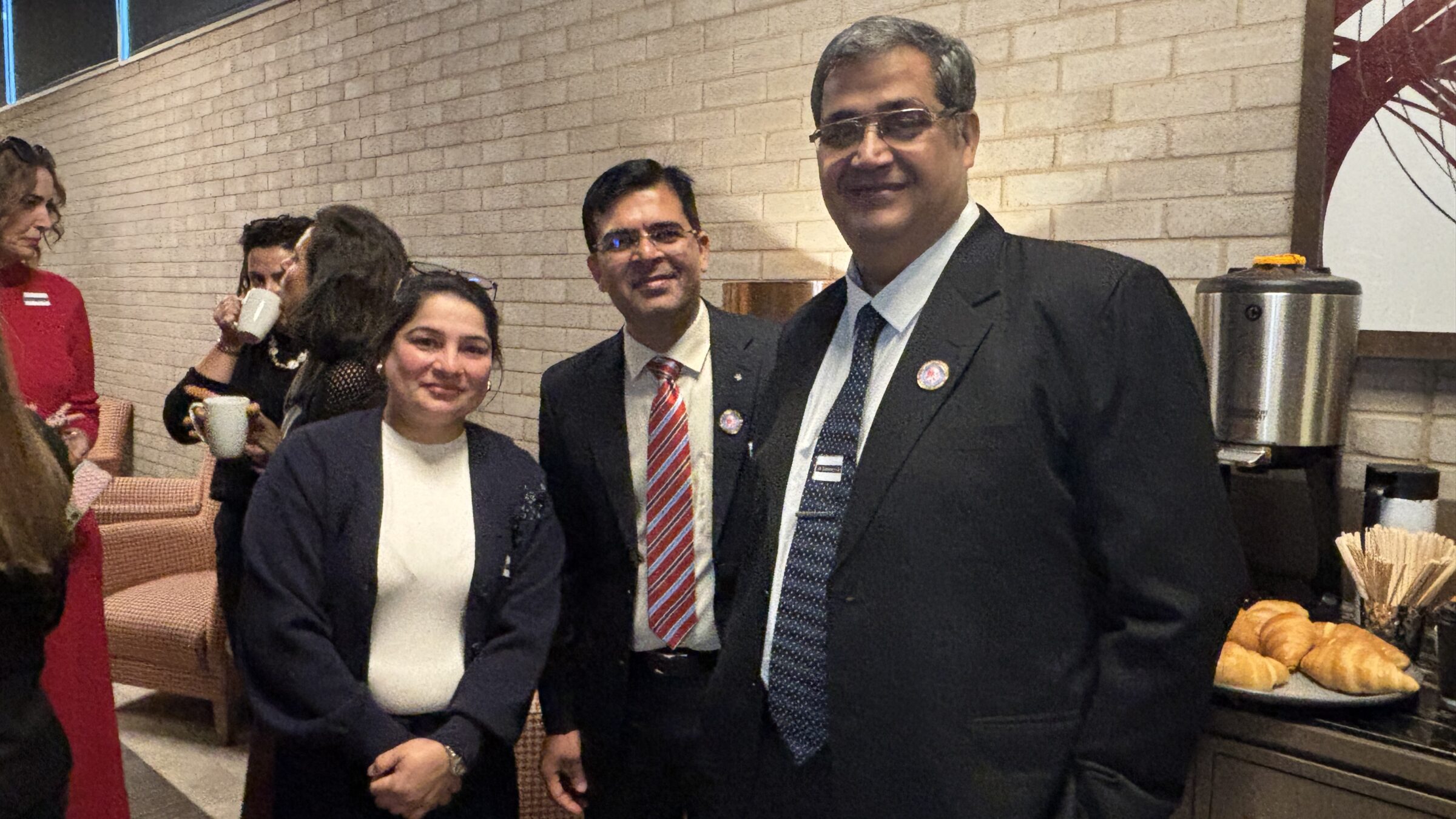
London, 10 Oct 2026 — The London College of Homeopathy held a clinical meet on Dermatology in Homeopathy on 10 Oct 2026 at Clayton Hotel, Chiswick, London. The meet was attended by 30+ practitioners, students and faculty members. The meet was regarded as a success for its academic depth, its clinical focus and the level of audience participation.

The meet looked at skin disorders, among the most common reasons patients seek homeopathic care, through classical teaching and everyday practice. The meet was a structured meet with aims such as to learn the philosophical aspects of case taking in skin diseases, to review the homeopathic therapeutics of common skin conditions, to discuss treated cases, to hold an open discussion on the role of homeopathy in dermatology, and to examine practical questions of potency, repetition and local applications.

Programme highlights

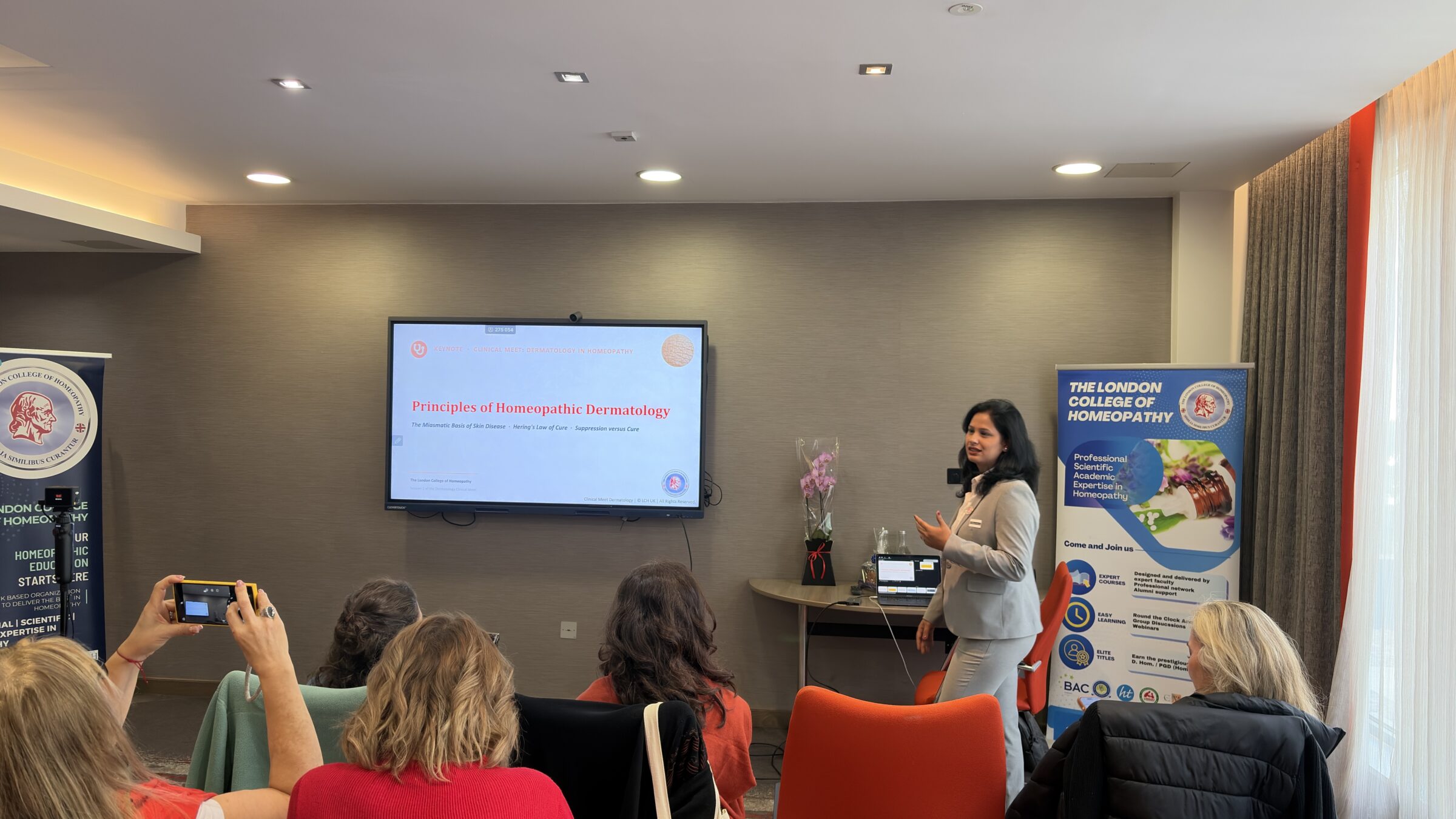
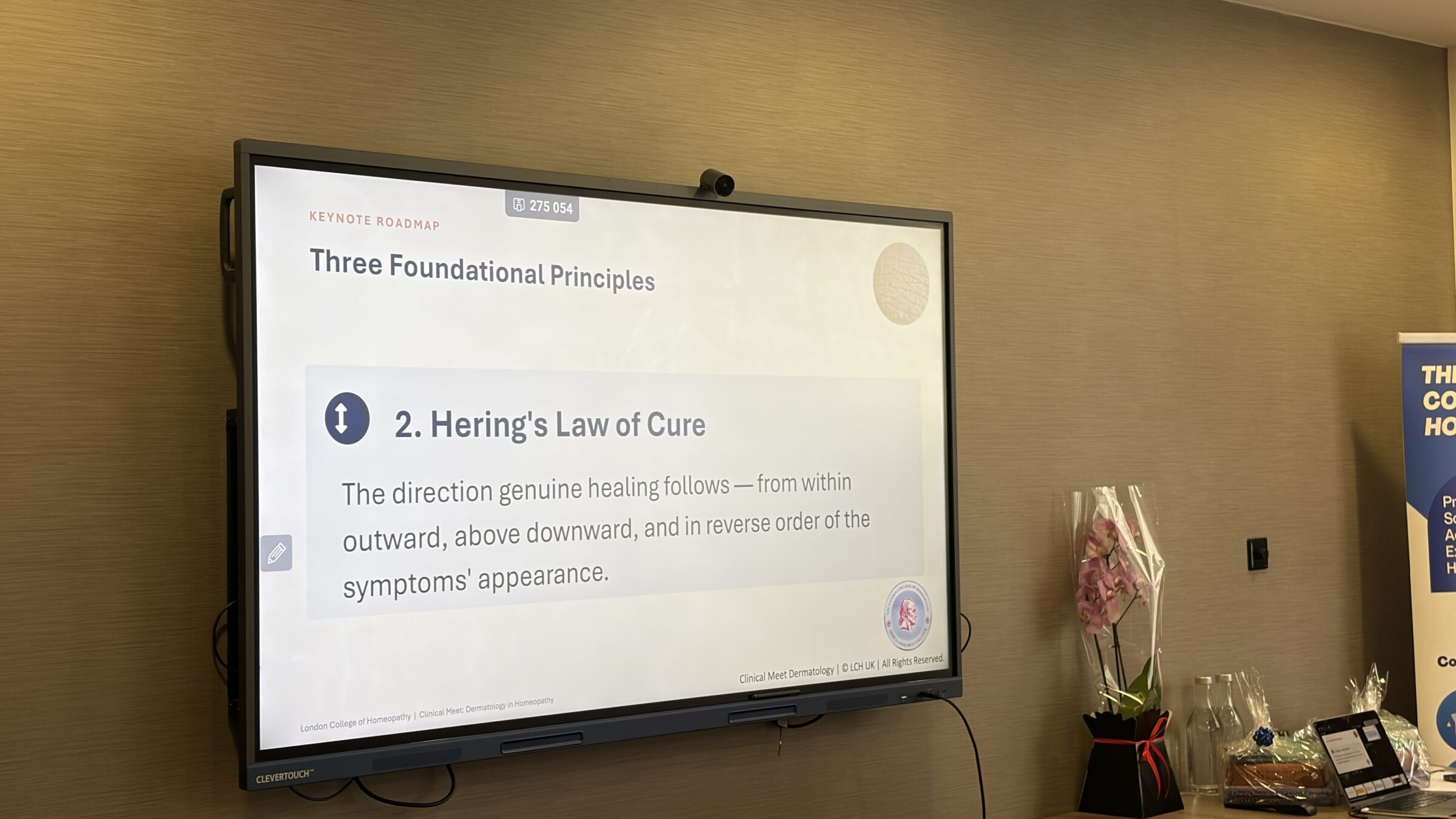
  • Session 1: Core Understanding of Skin from Philosophy point of view: The opening session by Dr Bharti Arora, MD (Hom.) set out the foundations of an understanding of homeopathic philosophy in skin diseases. It covered the miasmatic understanding of skin disease, Hering’s Law of Cure, and the distinction between genuine cure and suppression.
  • Session 2: Materia Medica session: A detailed session by Dr Sandeep Kaila, Director, LCH UK covered the therapeutics of eczema, psoriasis, acne, urticaria, fungal infections, warts and herpes. It drew on classical works by Boericke, Kent, Allen, Clarke, Farrington, Nash and Hering. The session also correlated the importance of the type of lesion and how we can select a remedy well.
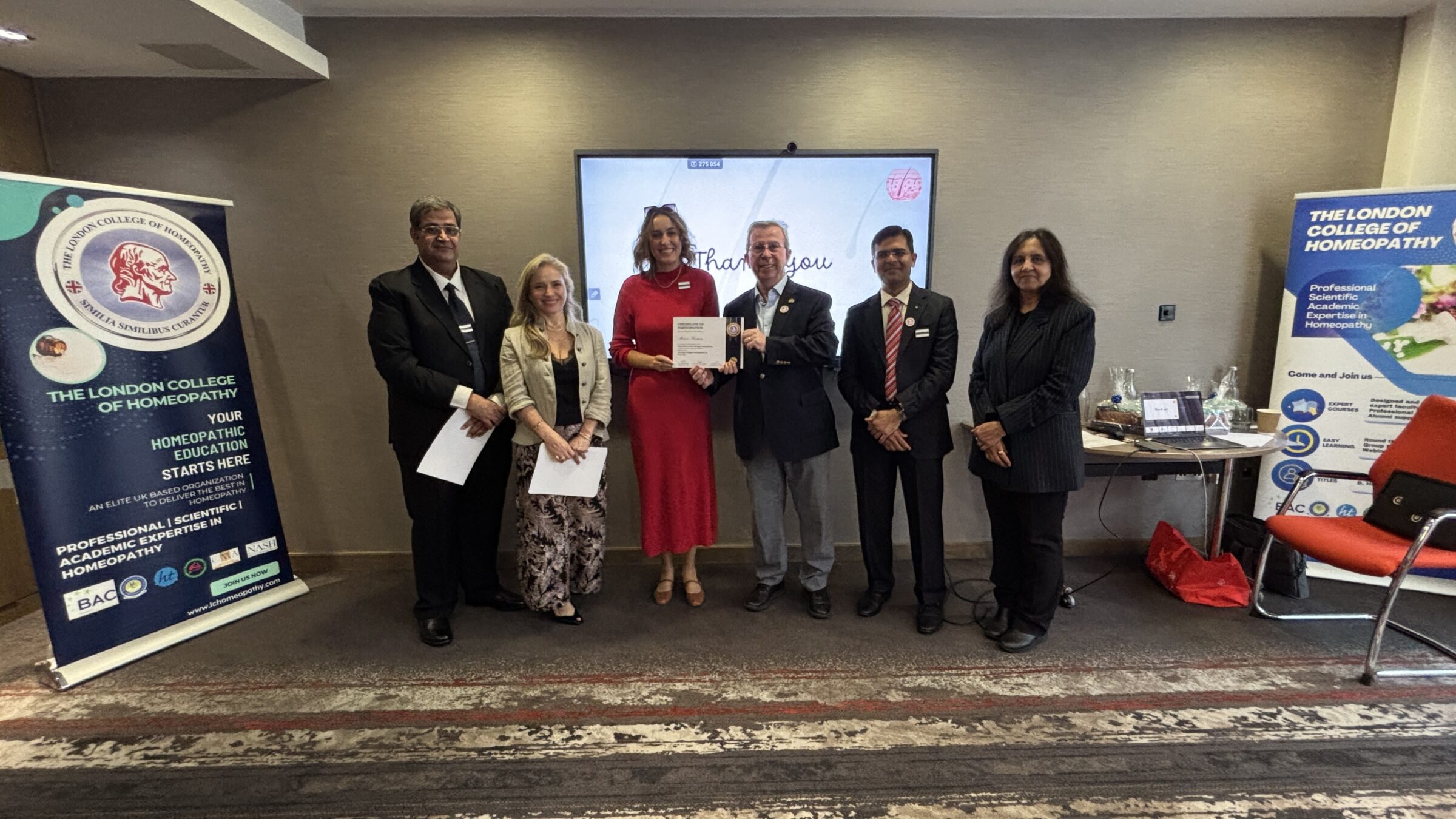
  • Session 3: Case presentations: Evidence-based cases were presented by Dr Saurav Arora, co-founder, LCH UK, of various treated cases of skin diseases such as warts, urticaria, alopecia, herpes, and psoriasis, covering their prescribing rationale, follow-up and outcomes.
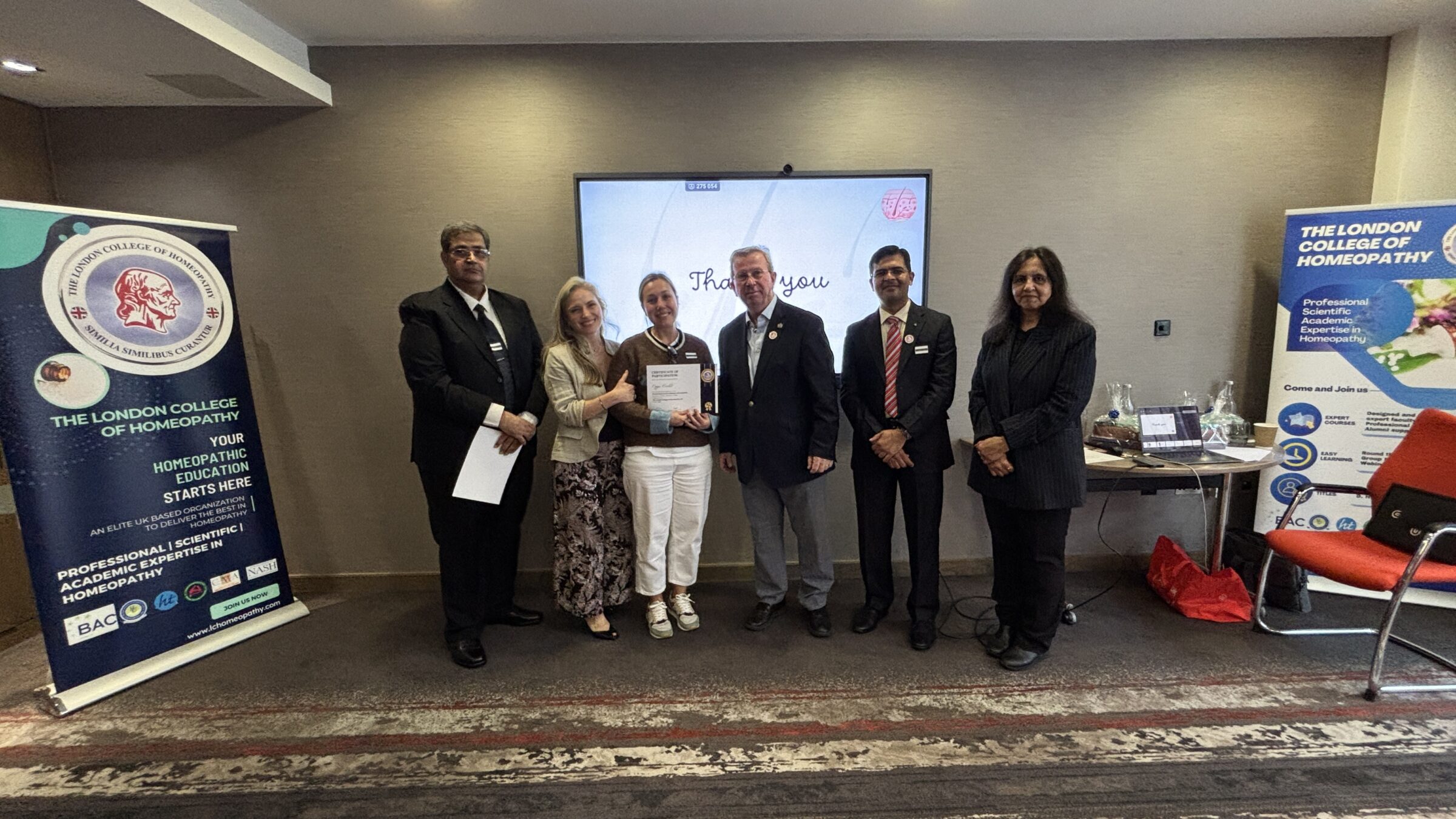
  • Panel discussion: The panel addressed the choice of potency, the repetition of doses and the role of local applications.
  • Open house: The closing session invited the audience to discuss the scope and limits of homeopathy in dermatology, including its place alongside conventional care.
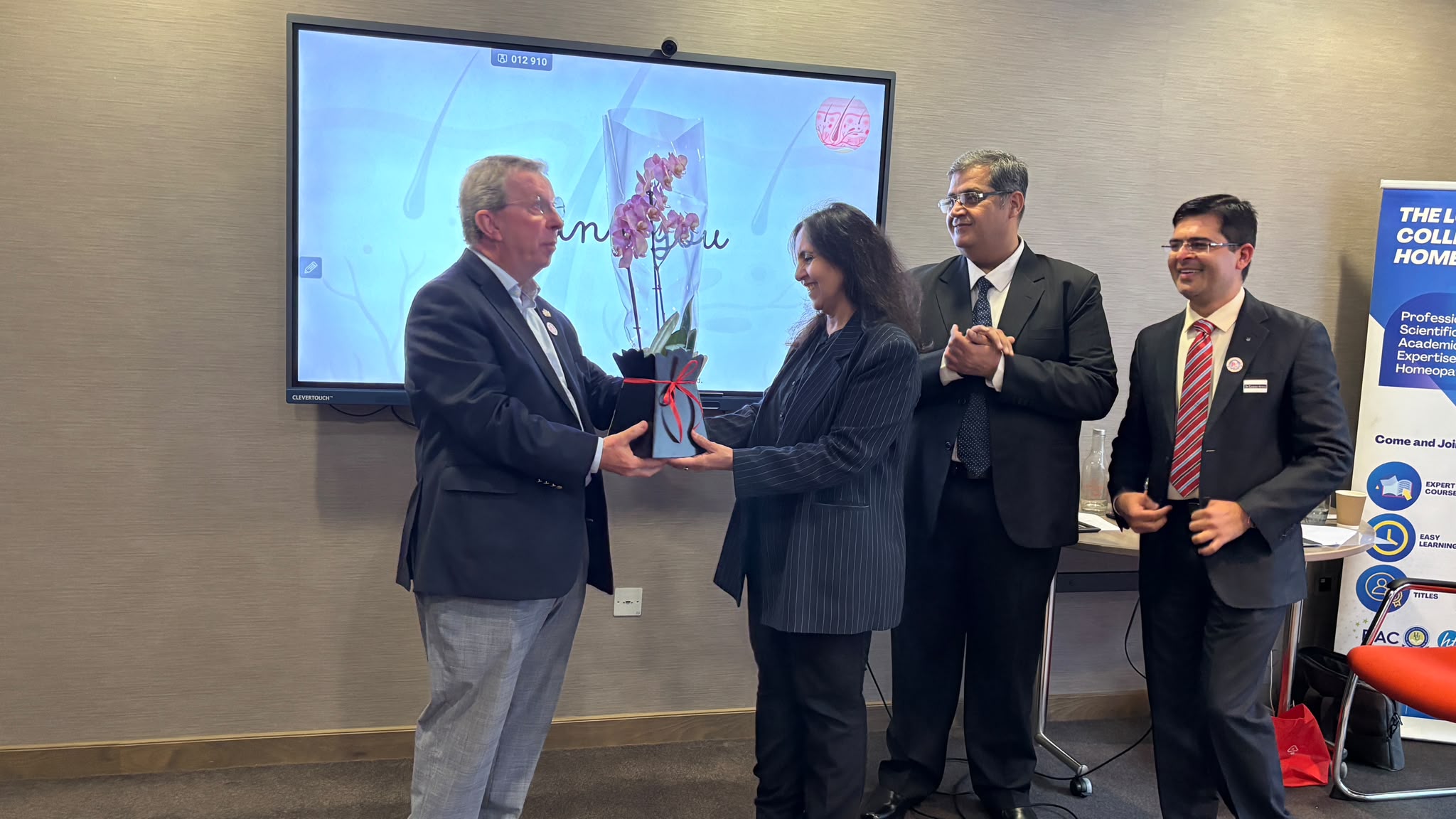
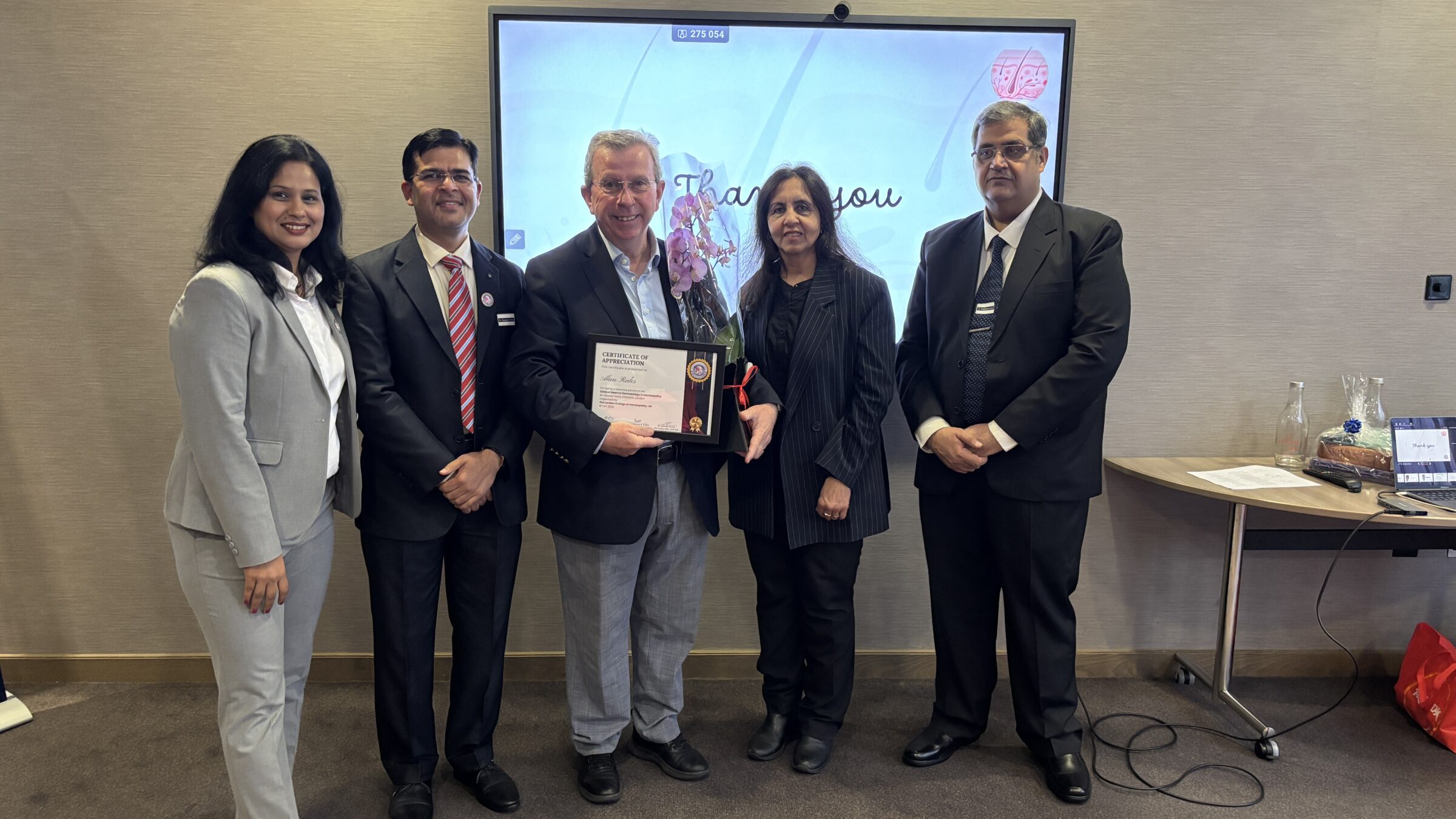
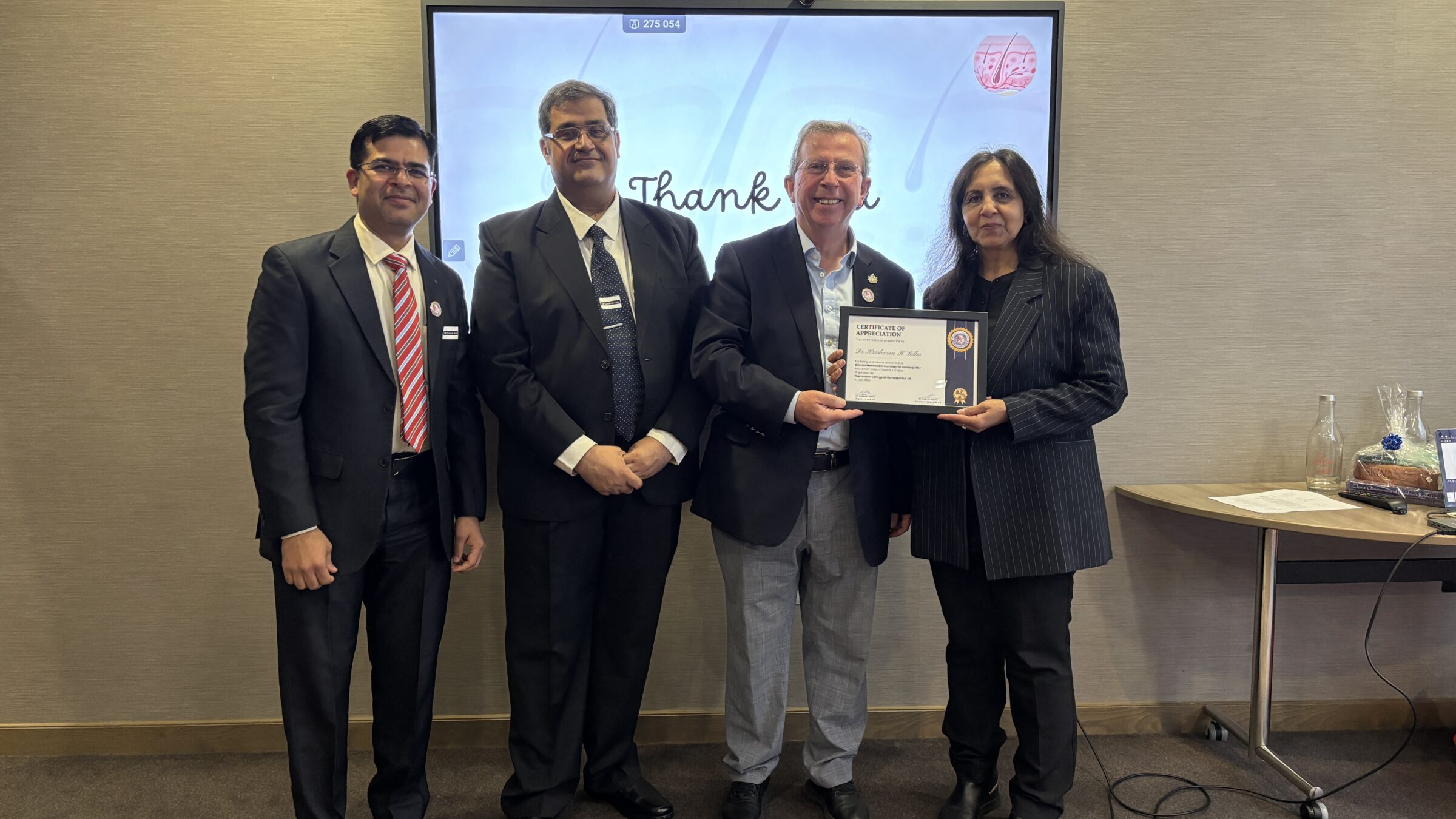
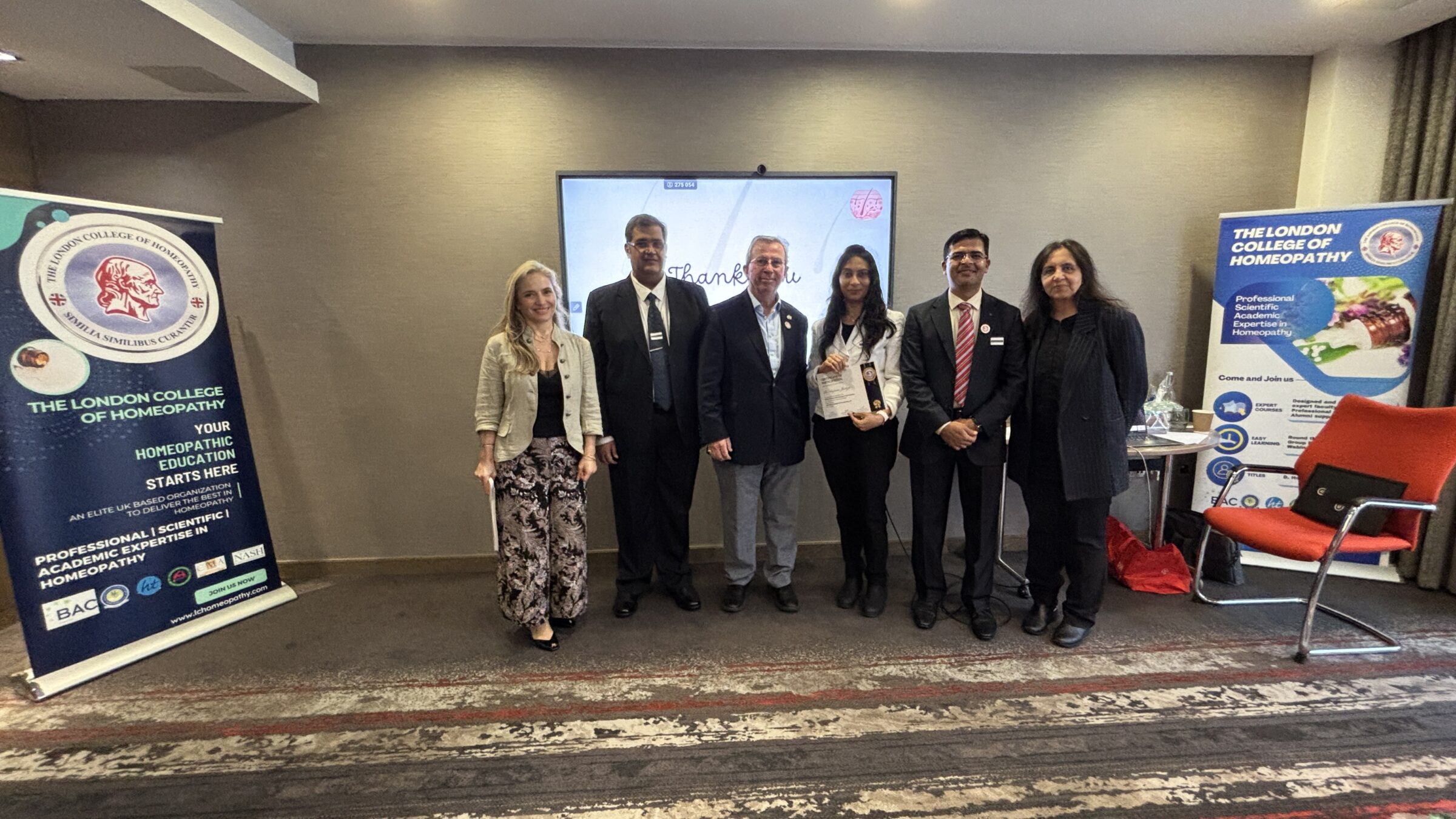
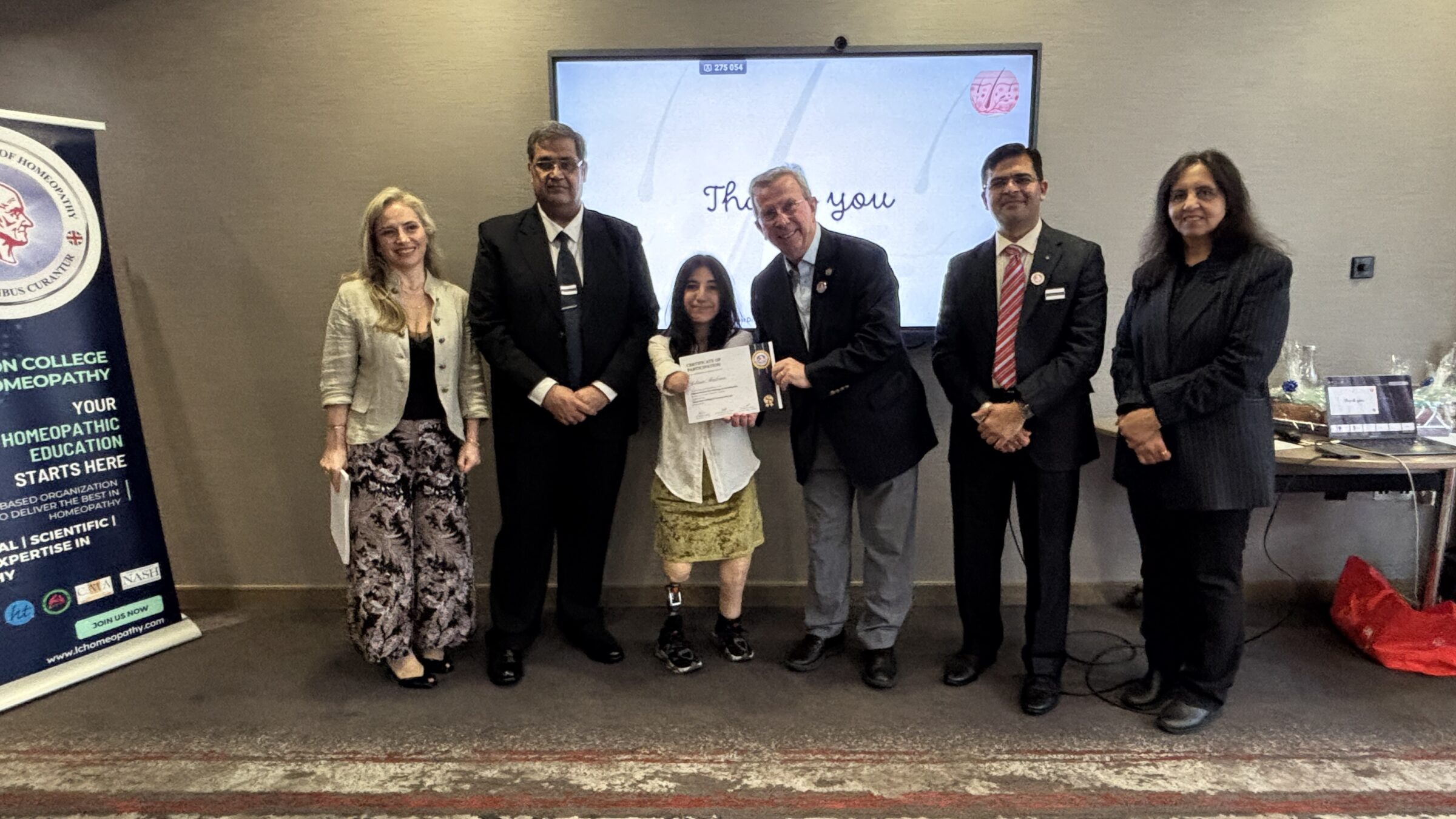
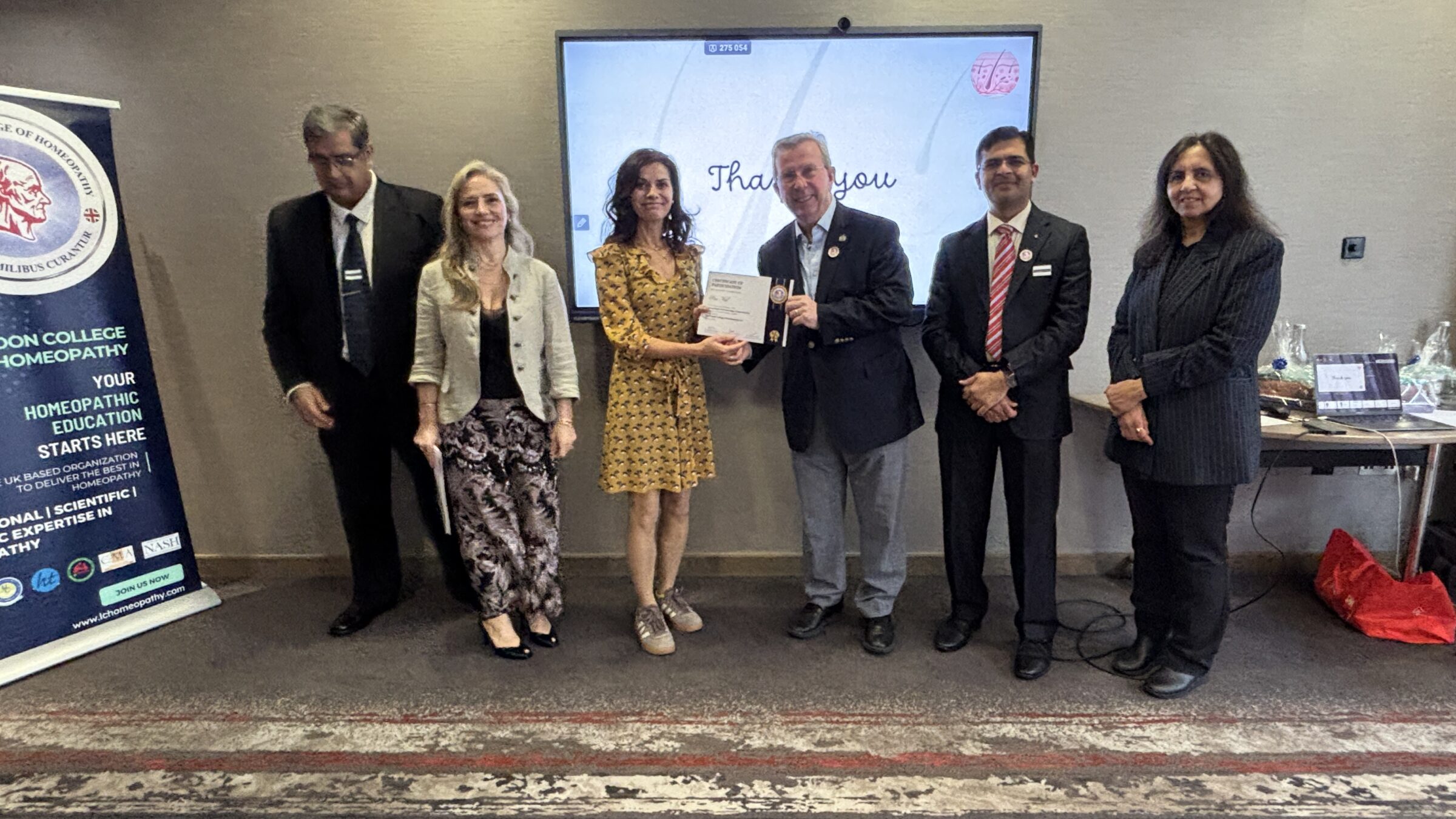
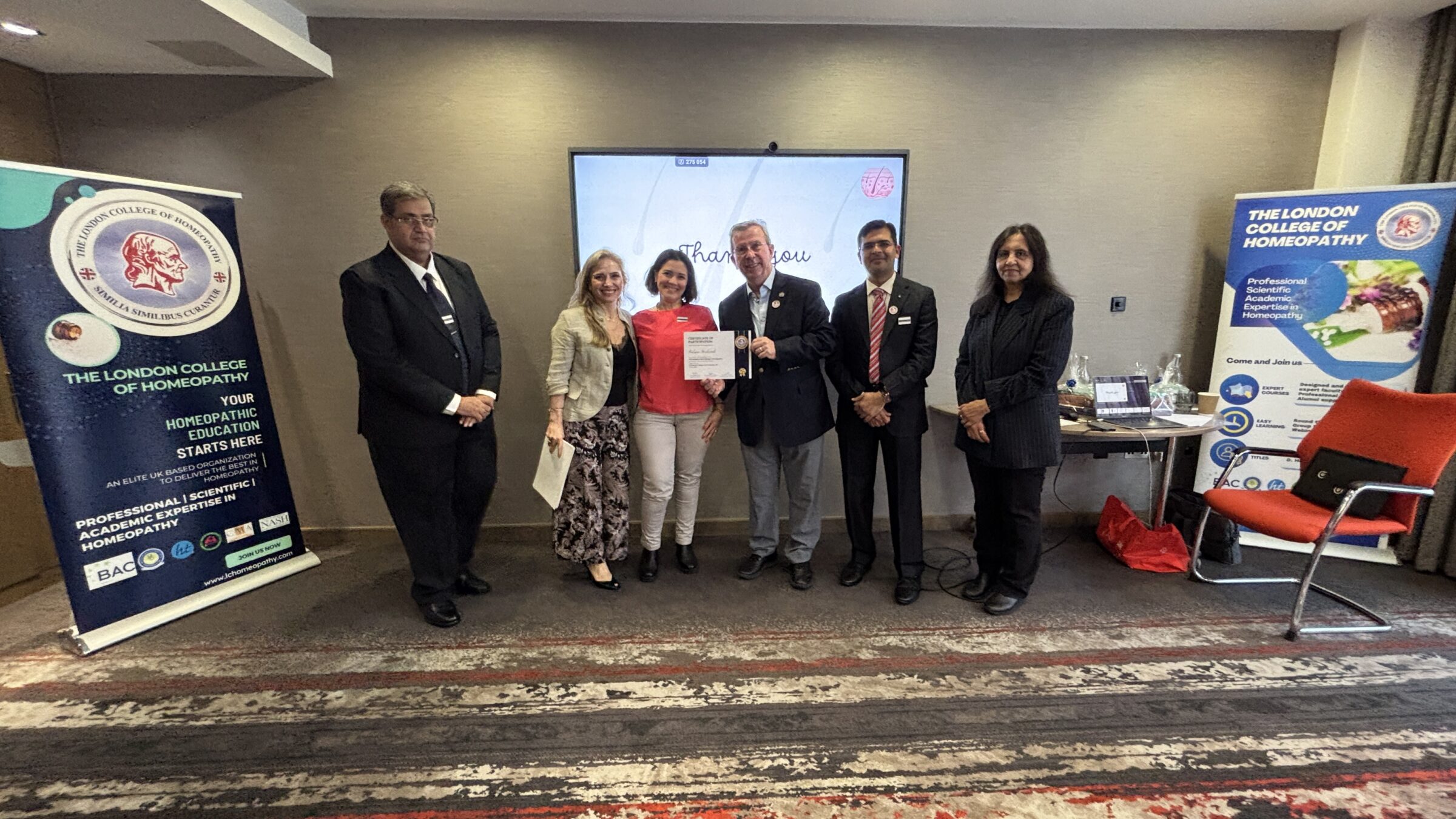
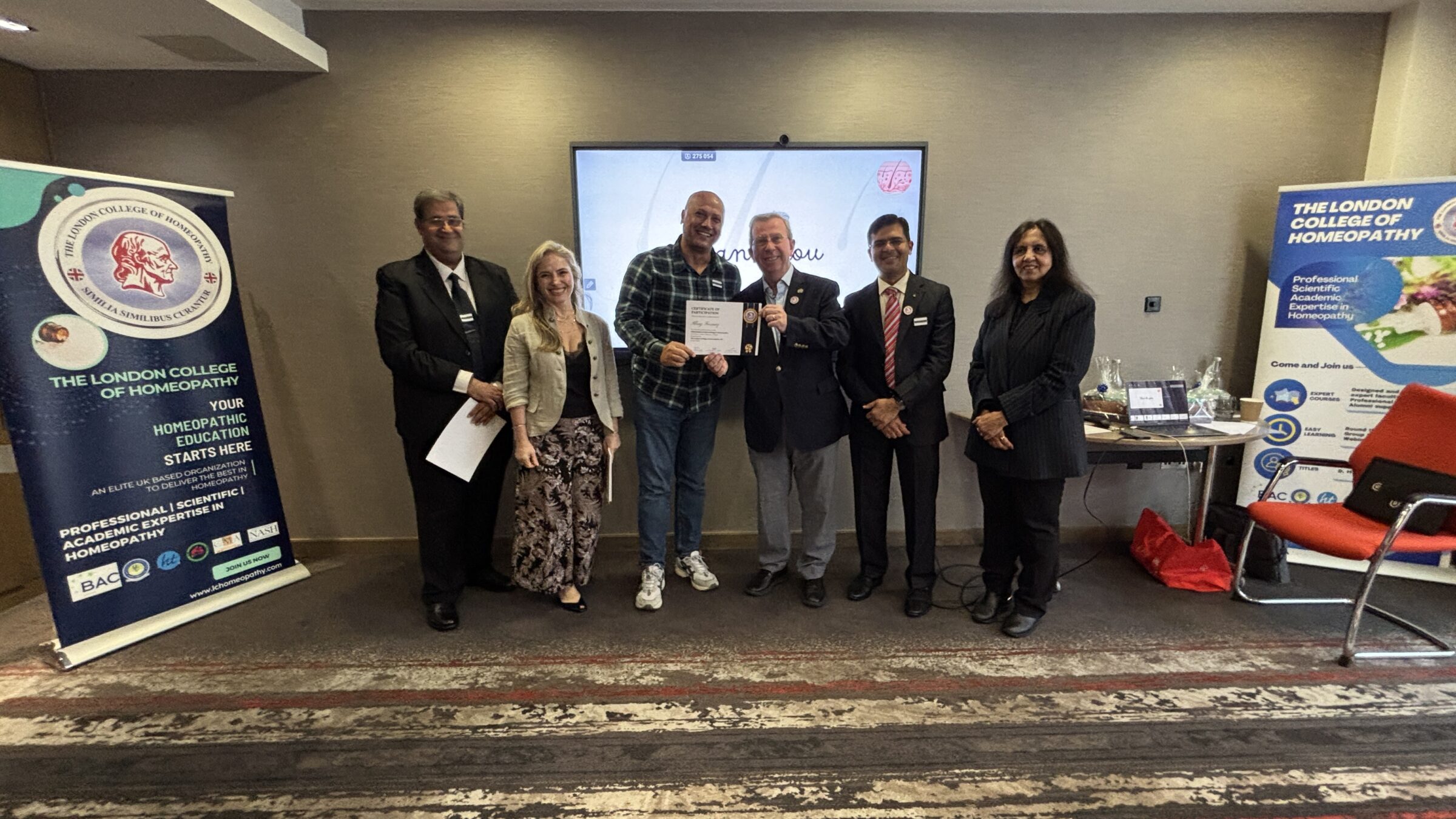
  • Vote of Thanks: The meet concluded with a vote of thanks to Mr Alan Rides, Patron LCH UK; Dr Harsharan K Sidhu, Principal LCH UK; Ms Manolya Saglam, Coordinator-Turkiye and all the attendees who participated in the meet to make it a grand success.

A commitment to continuing education

The clinical meet by LCH UK reflects our commitment to rigorous, evidence-aware professional education. The meet drew on standard Materia Medica literature and referred to peer-reviewed research where relevant. It was noted that the discussions on topical & safe use of applications and homeopathy as adjuvant & add-on therapy to existing medical treatments were especially valued by delegates, as these questions arise frequently in clinical practice.

About the London College of Homeopathy

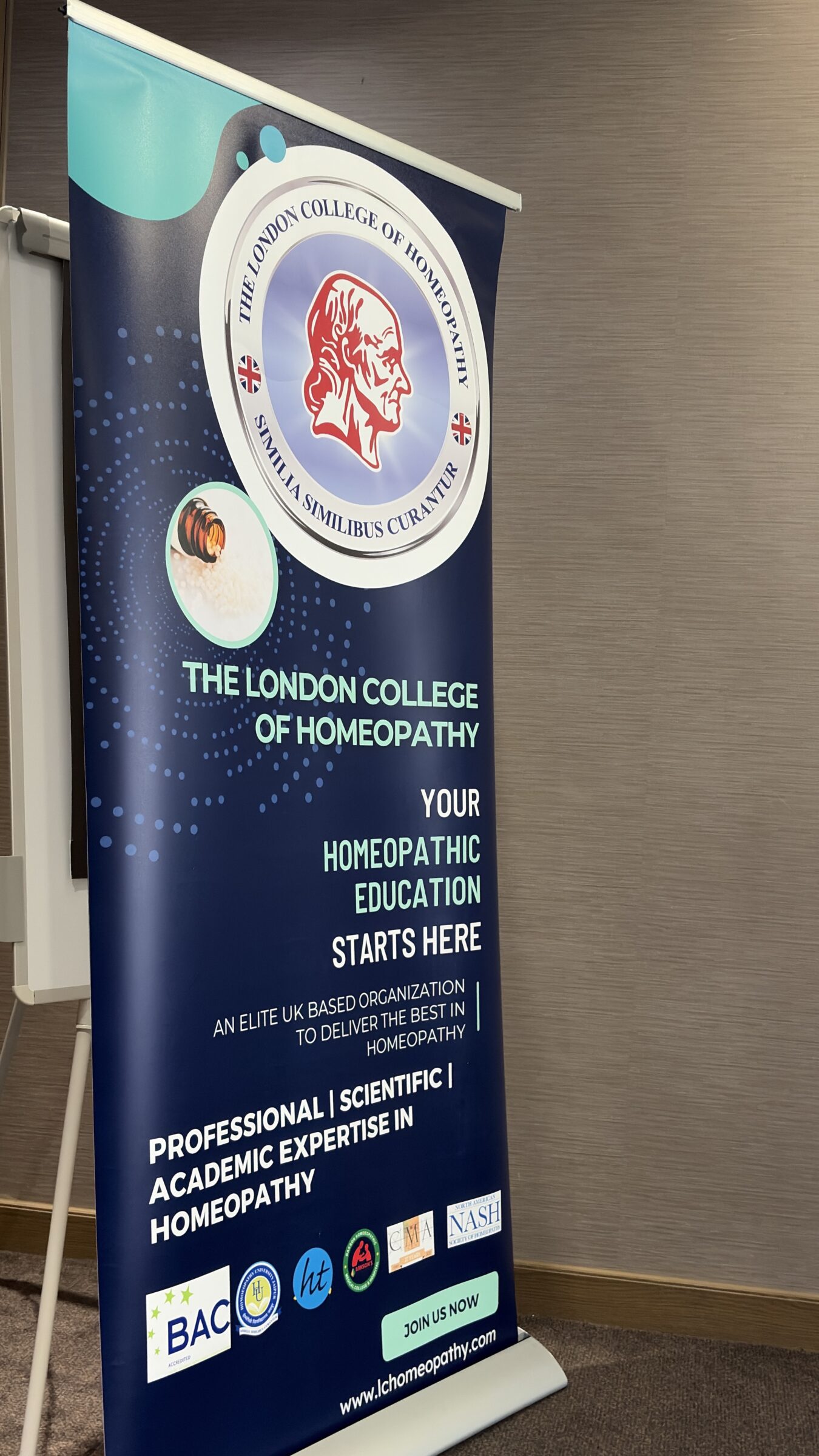
The London College of Homeopathy, UK (LCH UK), is a UK-based college of homeopathic education. It was founded to preserve the legacy of classical homeopathy while embracing modern advances in holistic healthcare. It offers accredited diplomas, postgraduate diplomas and specialised clinical certificate courses, with mentors, clinical studies and international clinical exposure programmes. To learn more about us, visit www.lchomeopathy.com/courses

For more information

Write to us at info[at]lchomeopathy.com

Consult us

For personalised homeopathic consultation and treatment consult us in-person and online.

Press Release: Classical Homeopathy Training in Istanbul (2-Day Intensive Event) by LCH UK

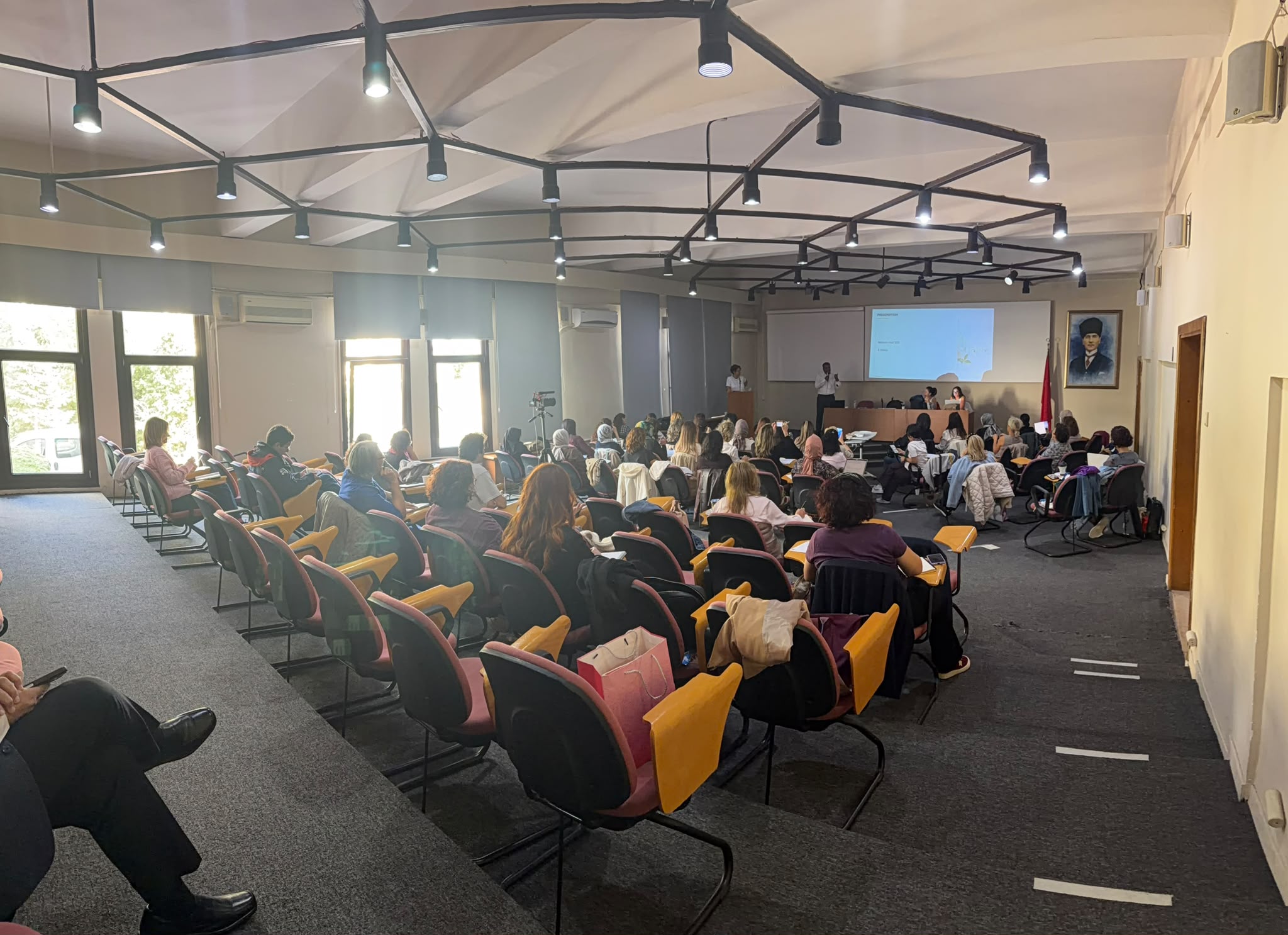
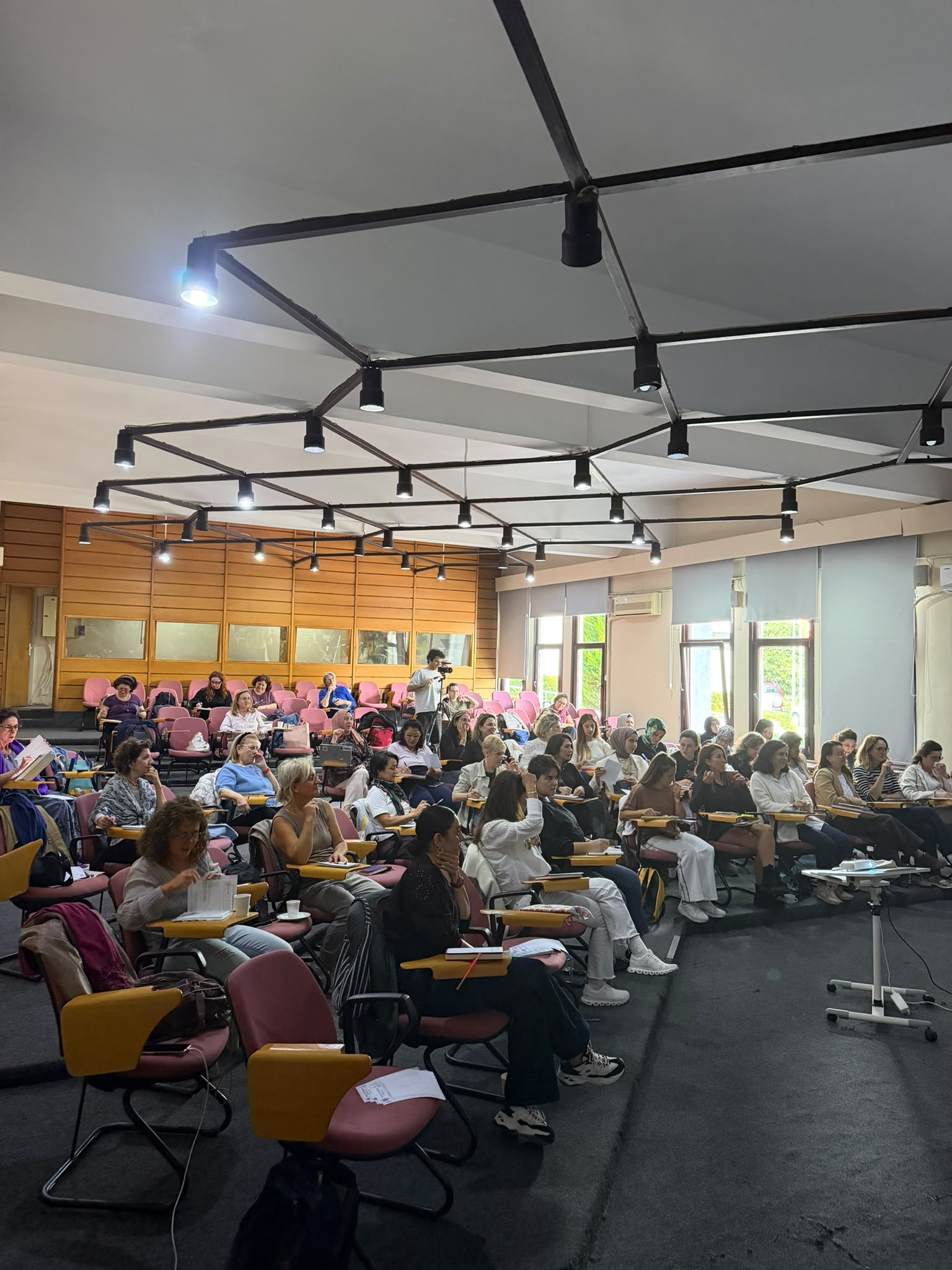
LONDON COLLEGE OF HOMEOPATHY CONCLUDES ACCLAIMED TWO-DAY CLINICAL MASTERCLASS IN ISTANBUL

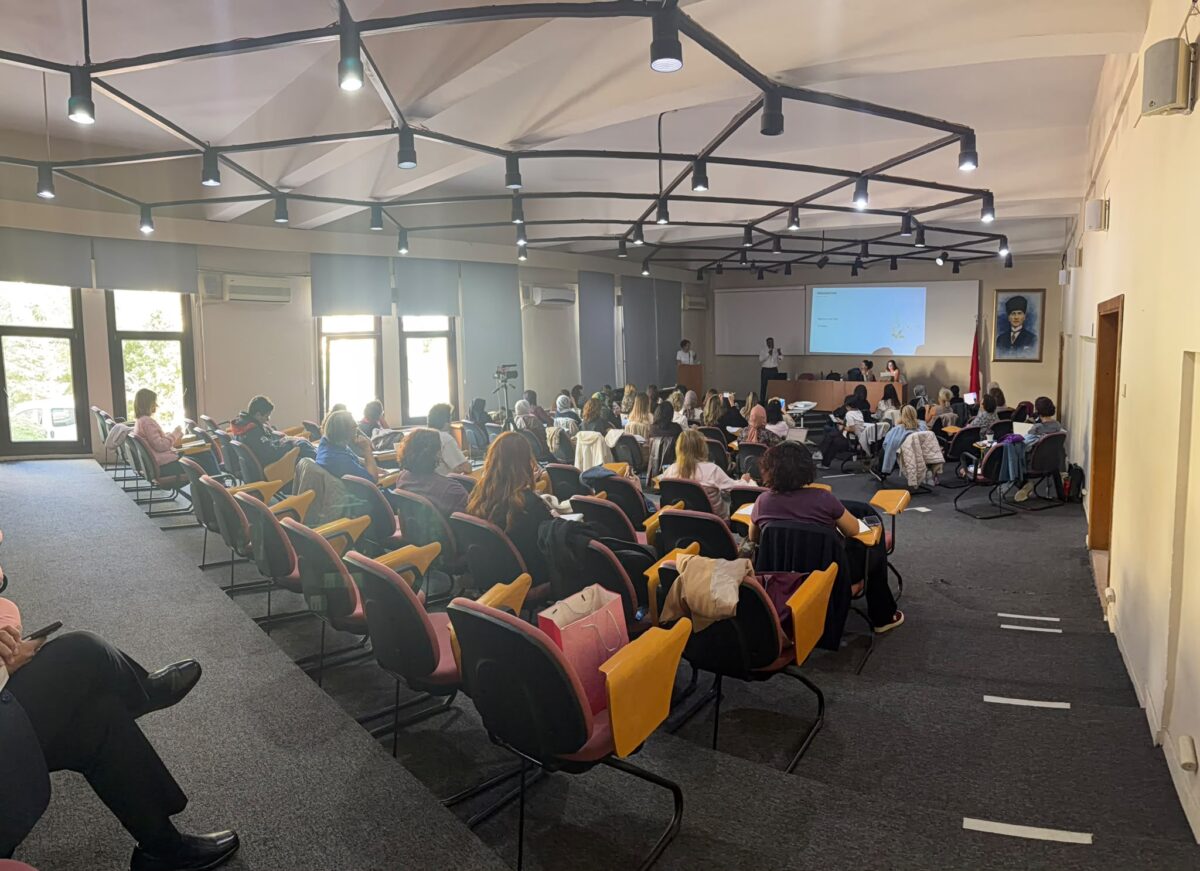
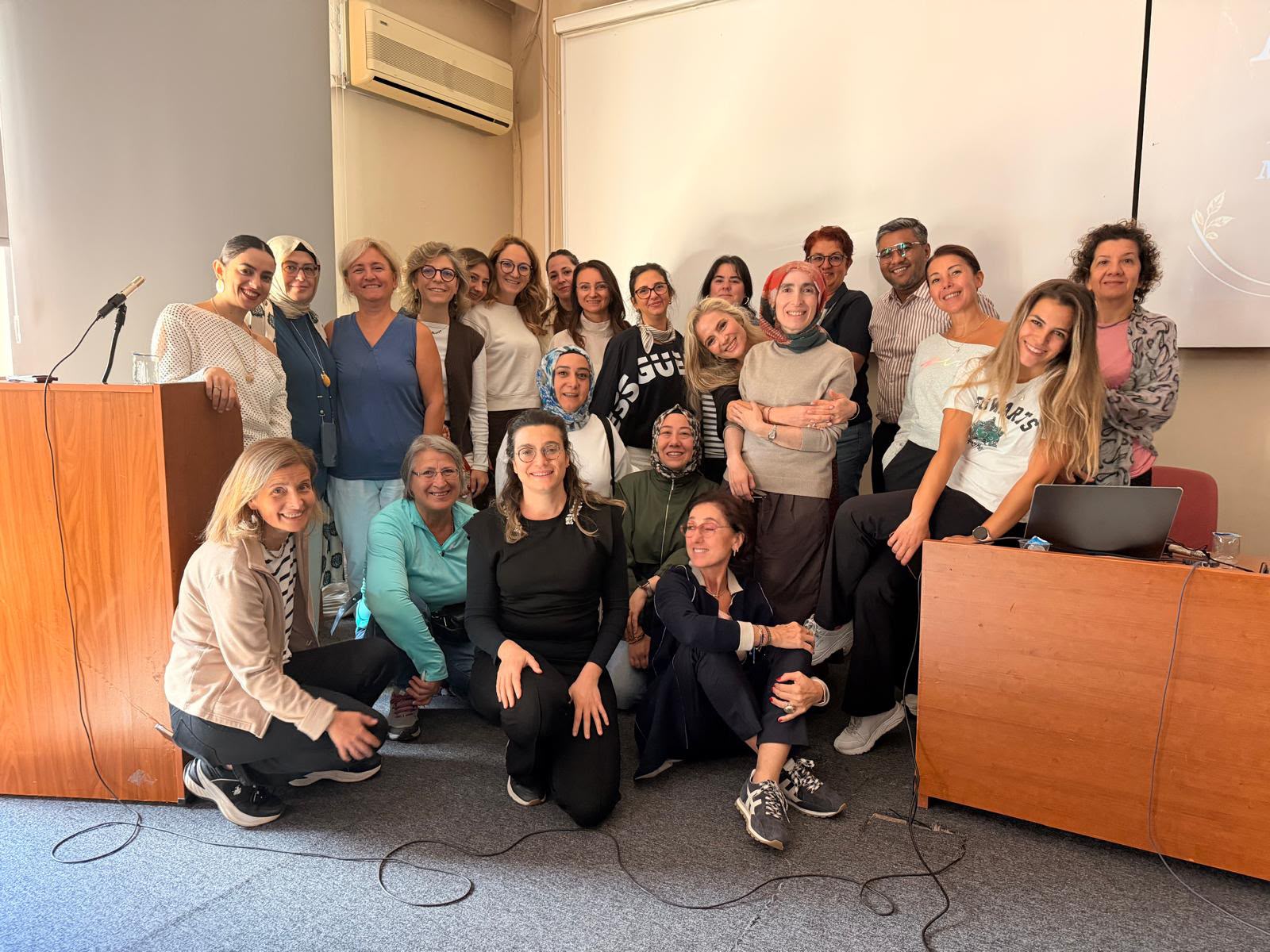
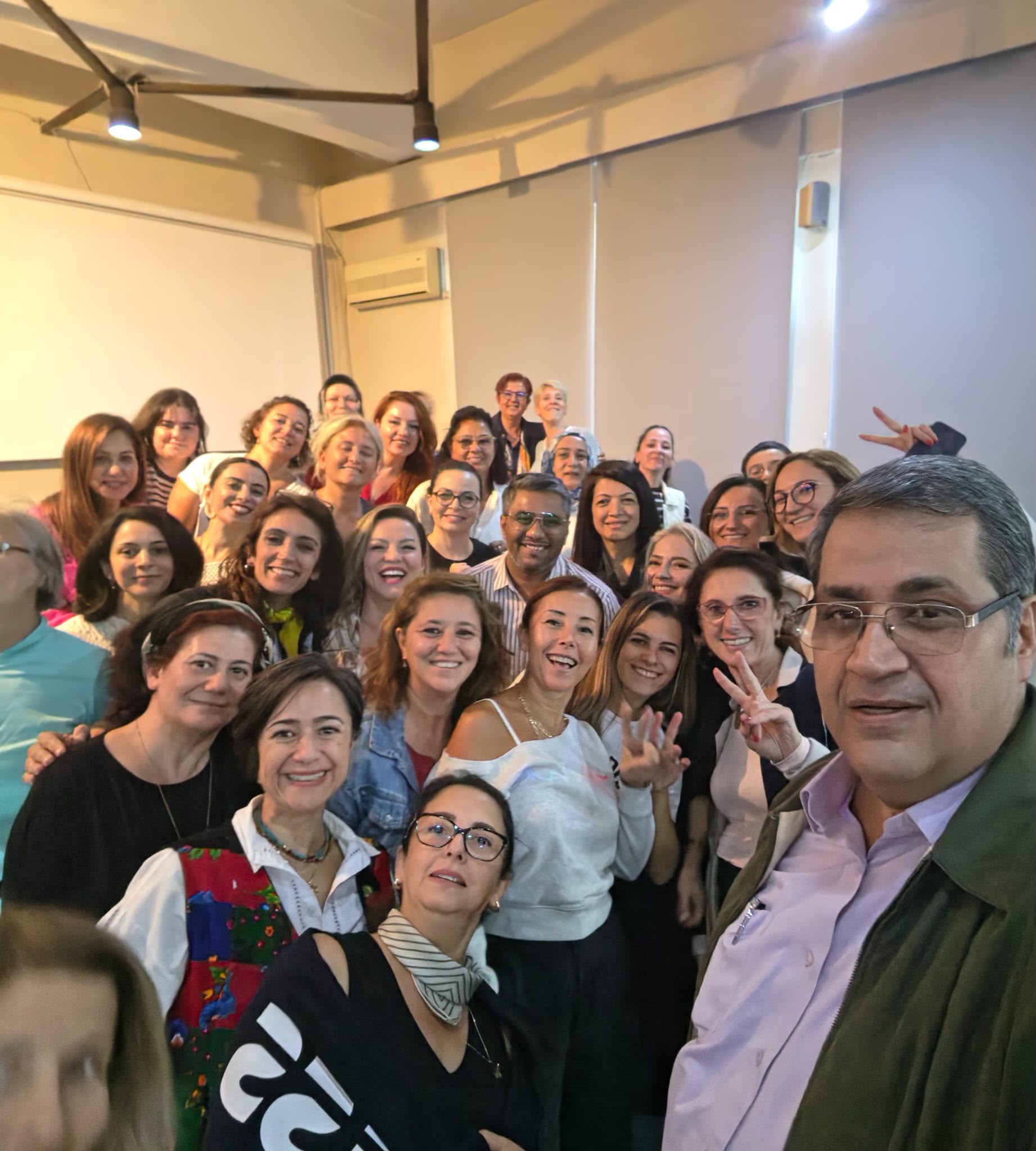
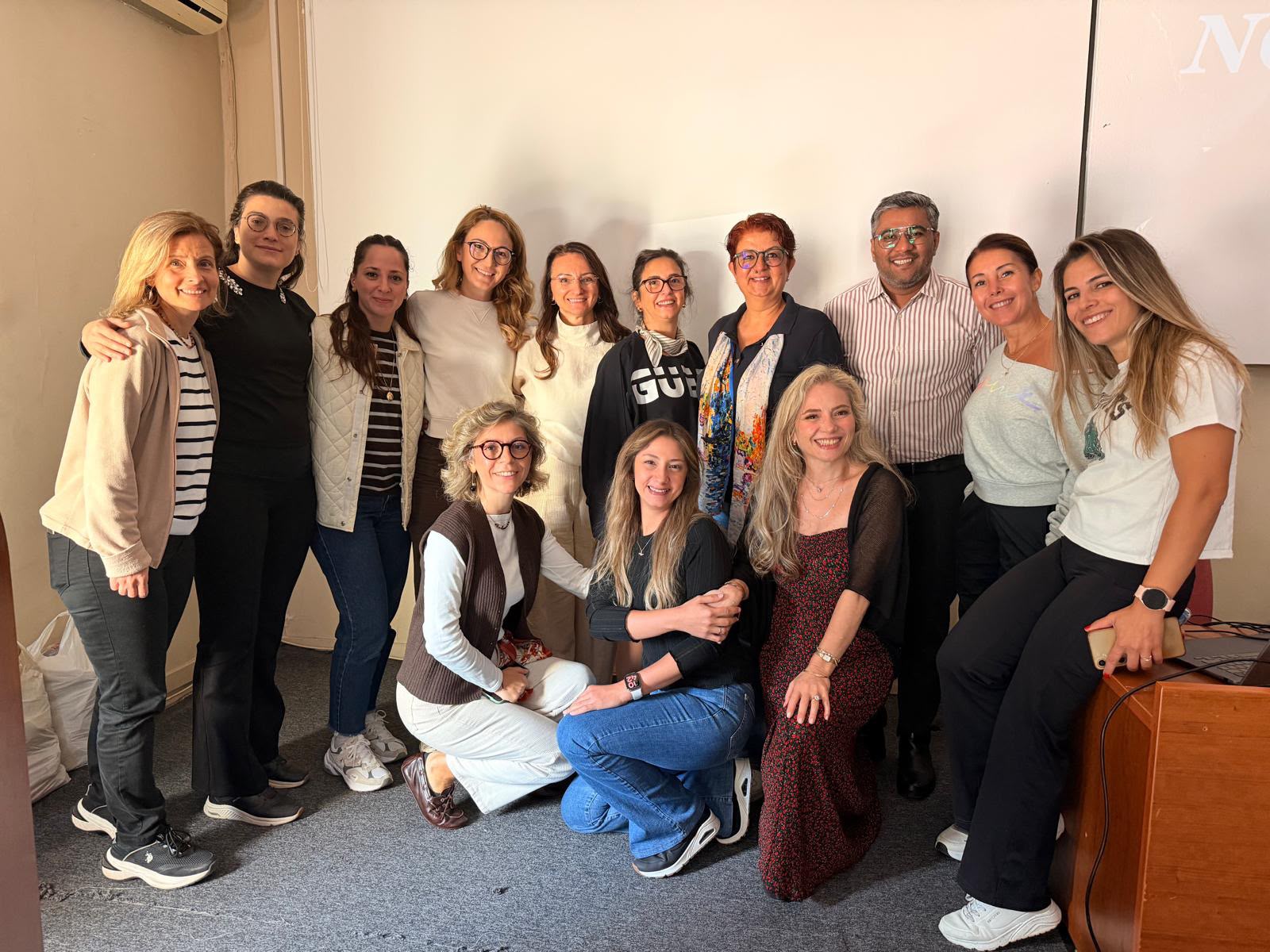
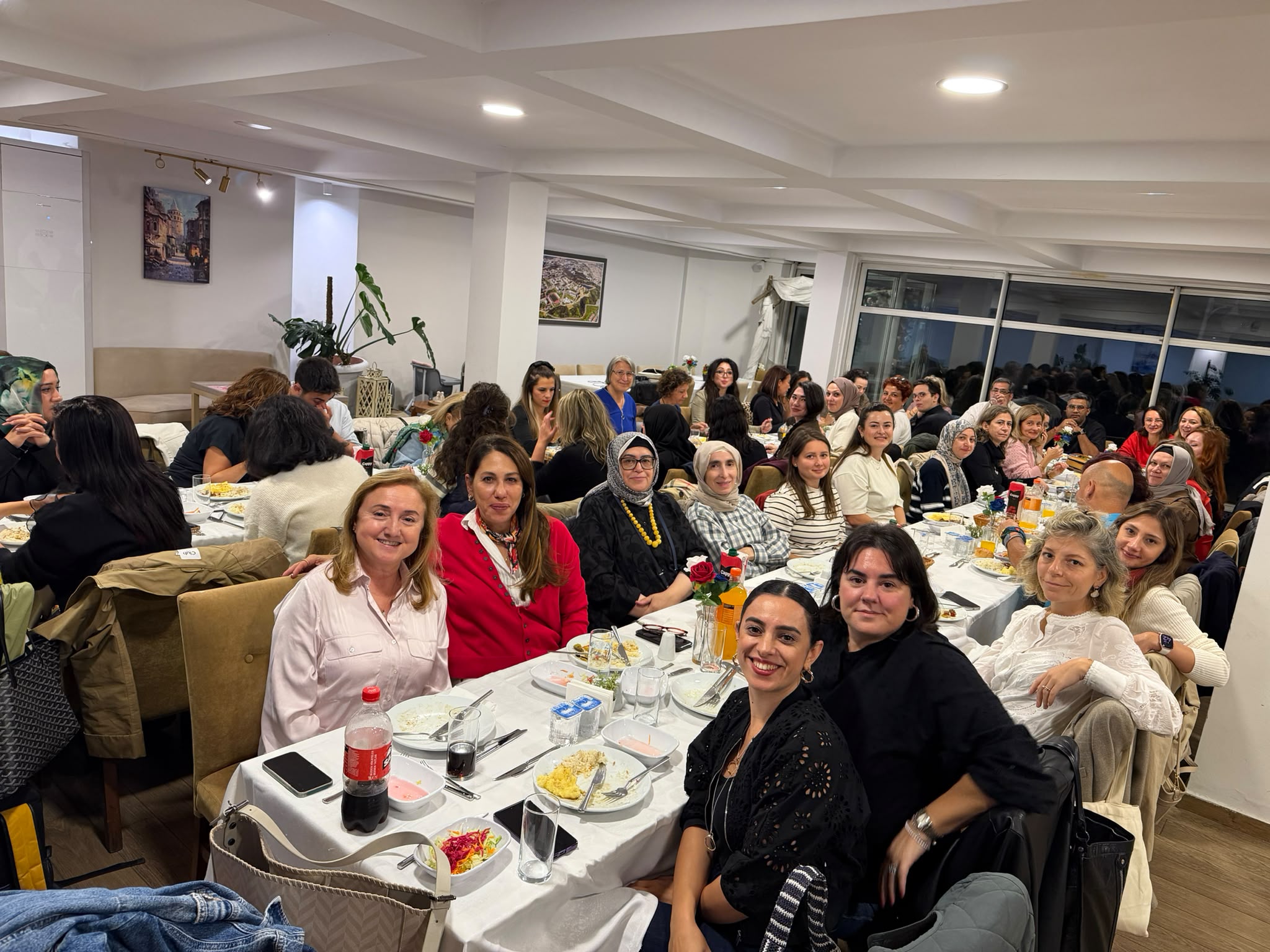
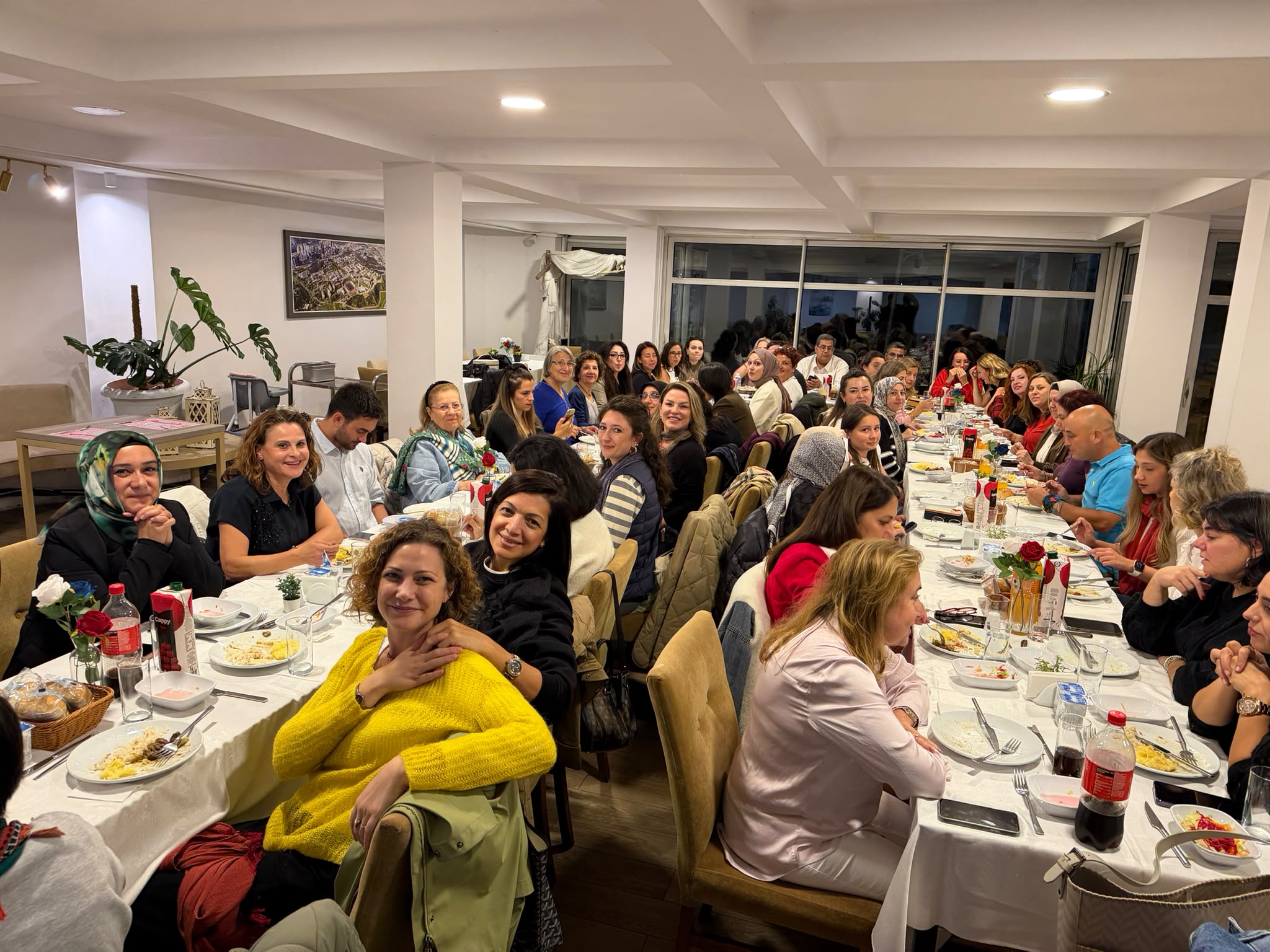
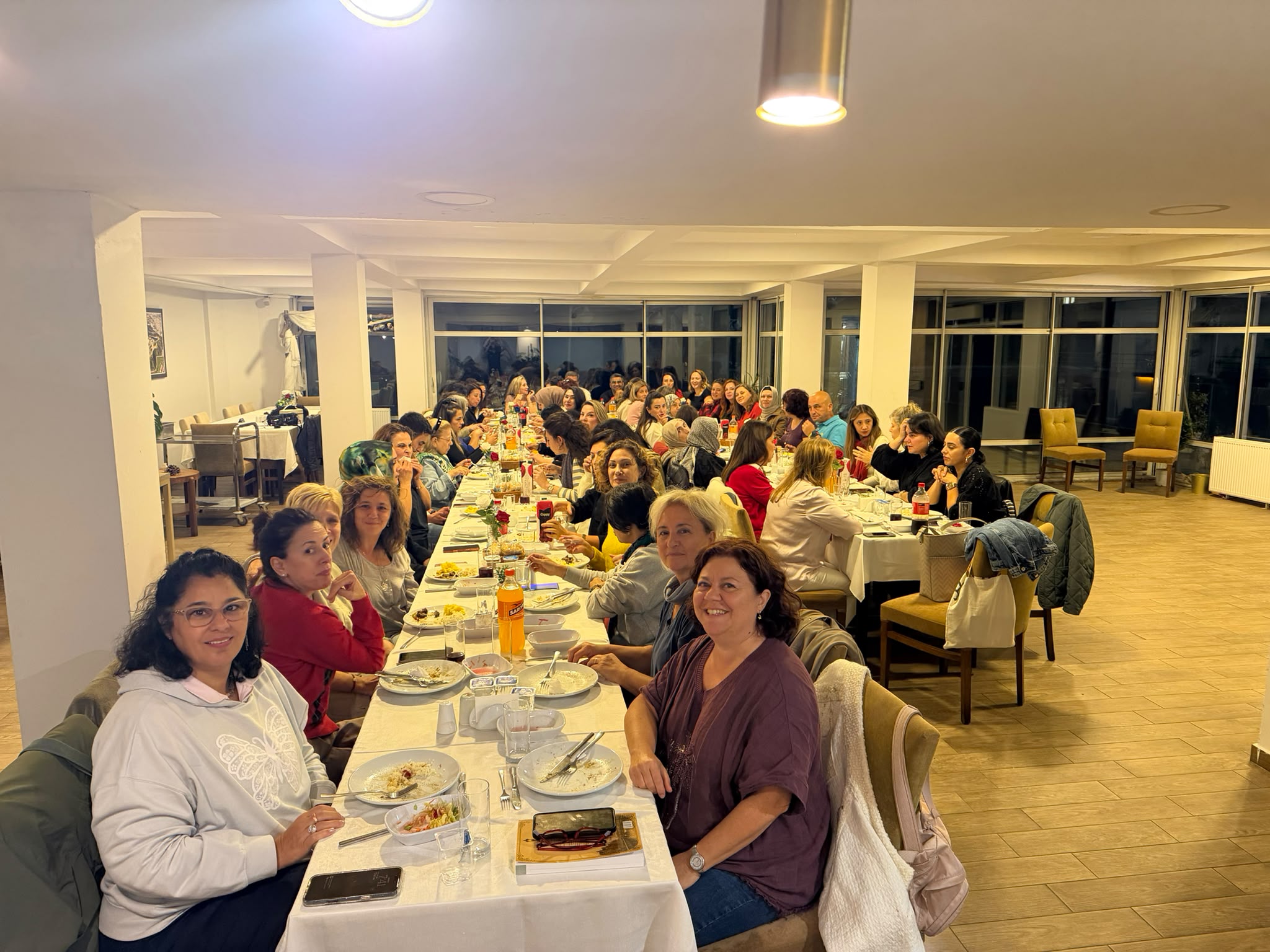
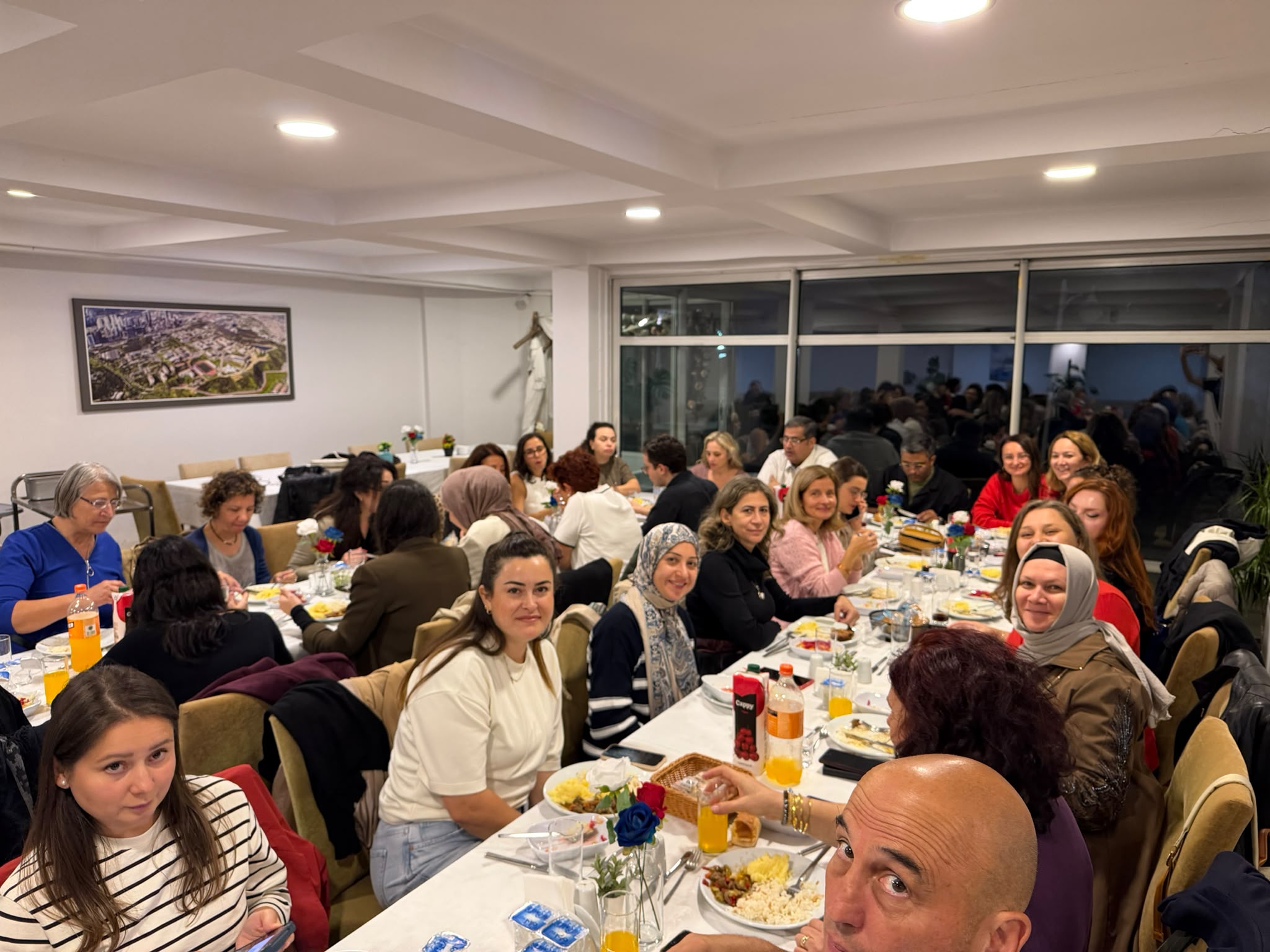
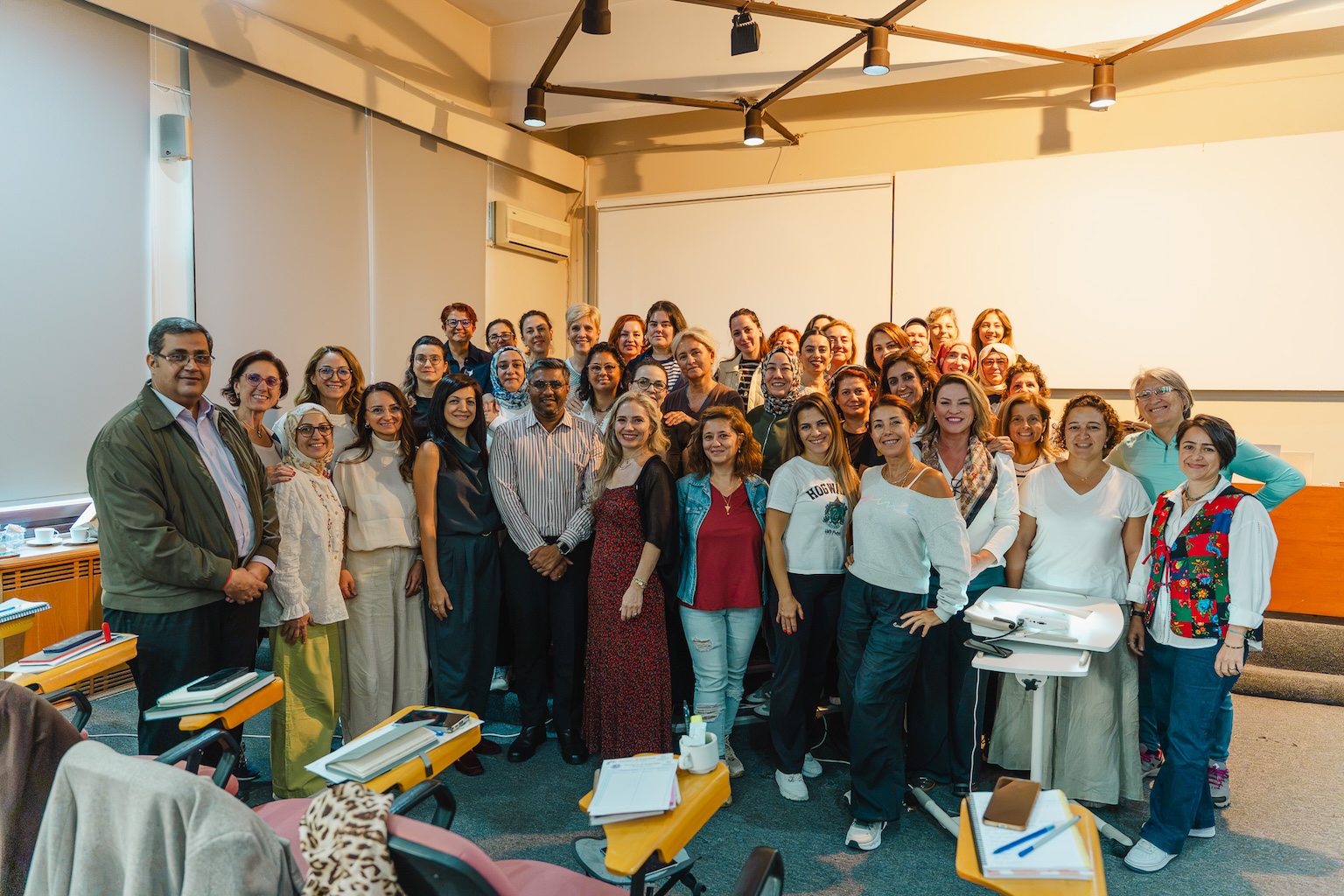
ISTANBUL, TURKEY / LONDON, UK: The London College of Homeopathy (LCH UK), a leading international institution dedicated to excellence in homeopathic education, successfully concluded an intensive two-day classical homeopathy training seminar held at the İTÜ Maçka Sosyal Tesisleri in Istanbul on 3-4 October 2026.

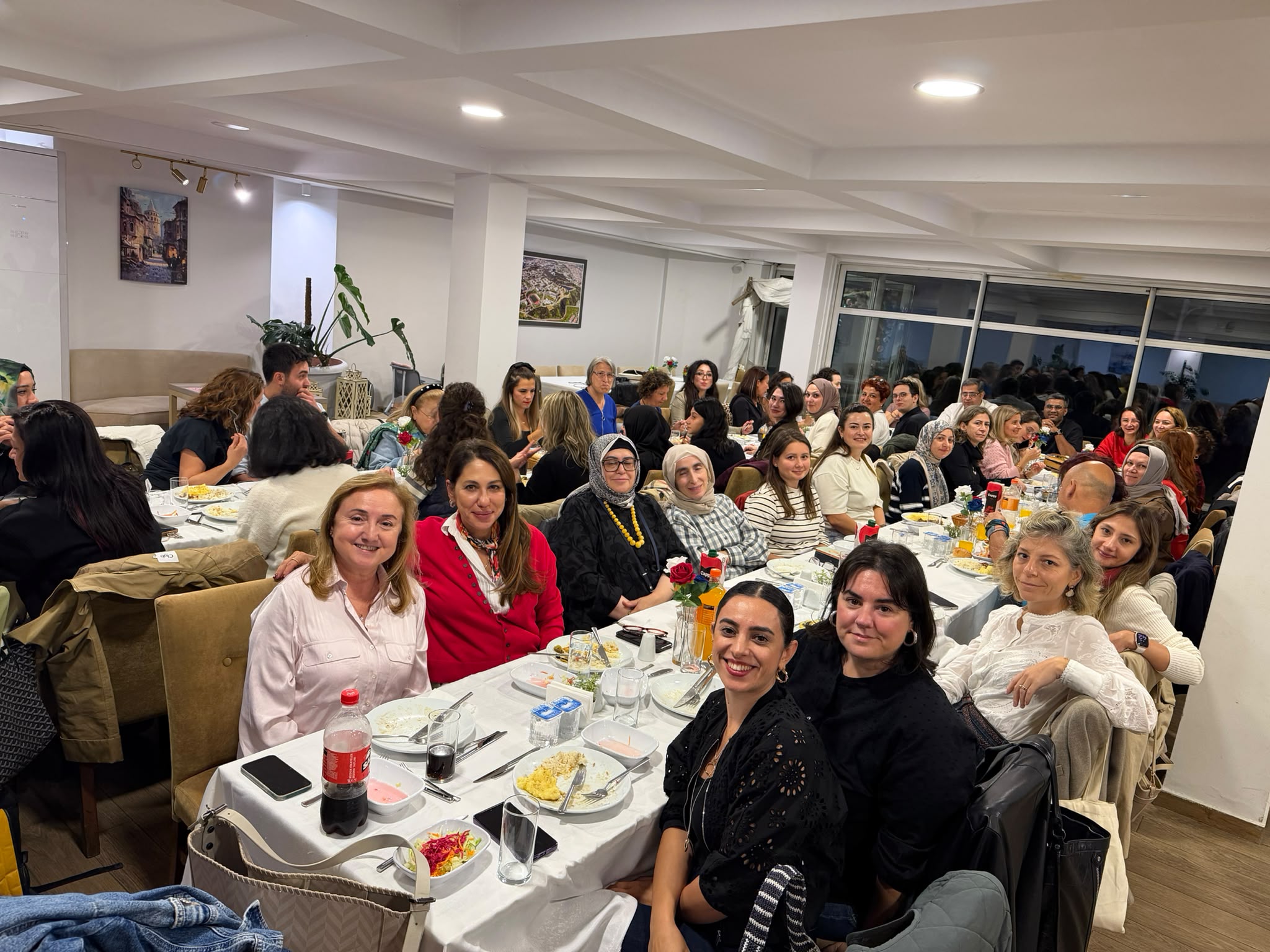
The CPD-accredited seminar brought together more than 60 medical doctors, healthcare practitioners, and students from across Türkiye, witnessing the growing international demand for structured, evidence-informed classical homeopathic education.
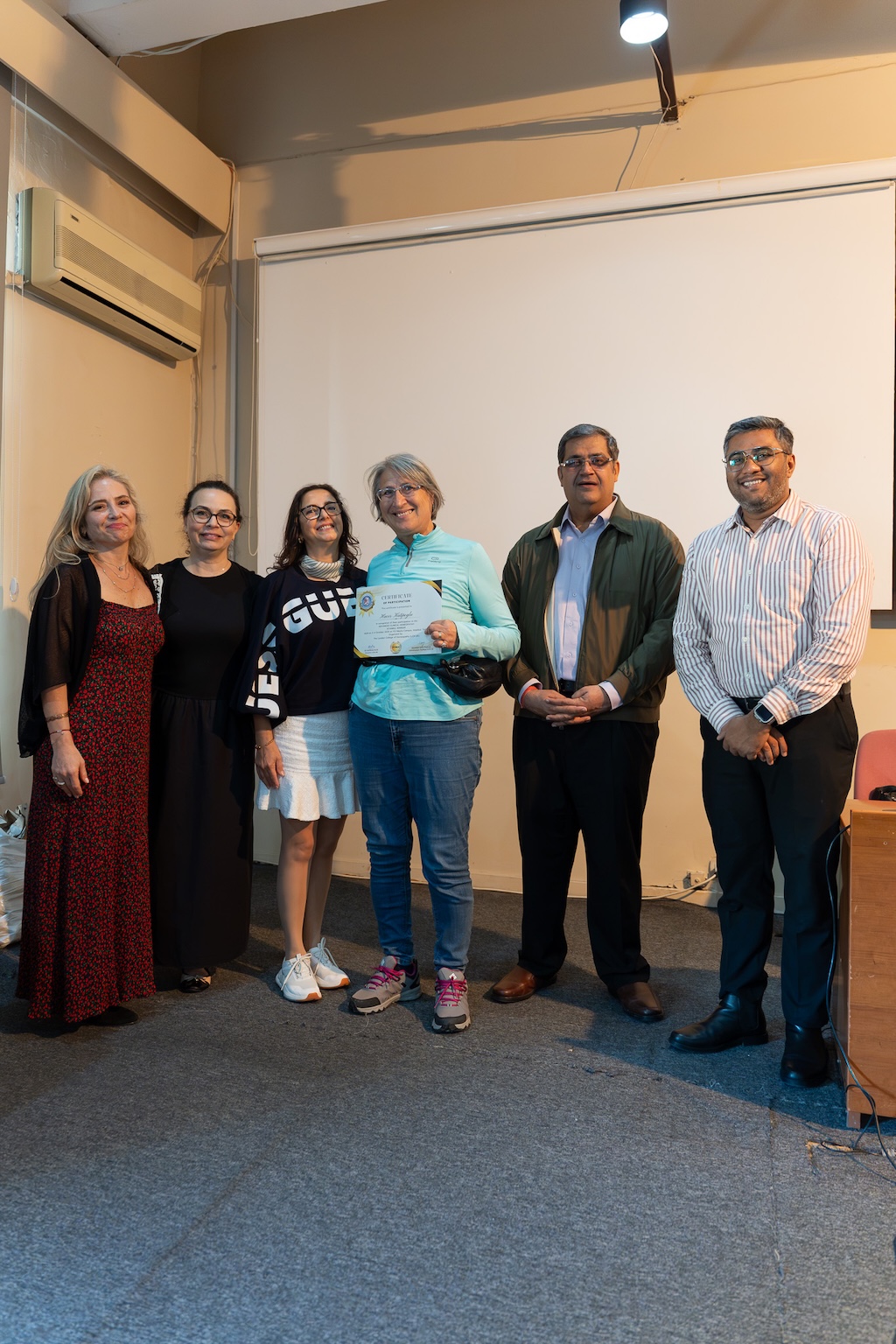
The two-day intensive seminar focused on advancing clinical competency as per Hahnemannian principles, comparative materia medica, and refined posology. Delegates were engaged in comprehensive case-taking concepts, explored practical strategies for navigating complex pathology, and evaluated clinical prescription protocols designed to optimise patient outcomes. The event was live-translated to Turkish, facilitating seamless dialogue between faculty and attendees throughout the interactive sessions.

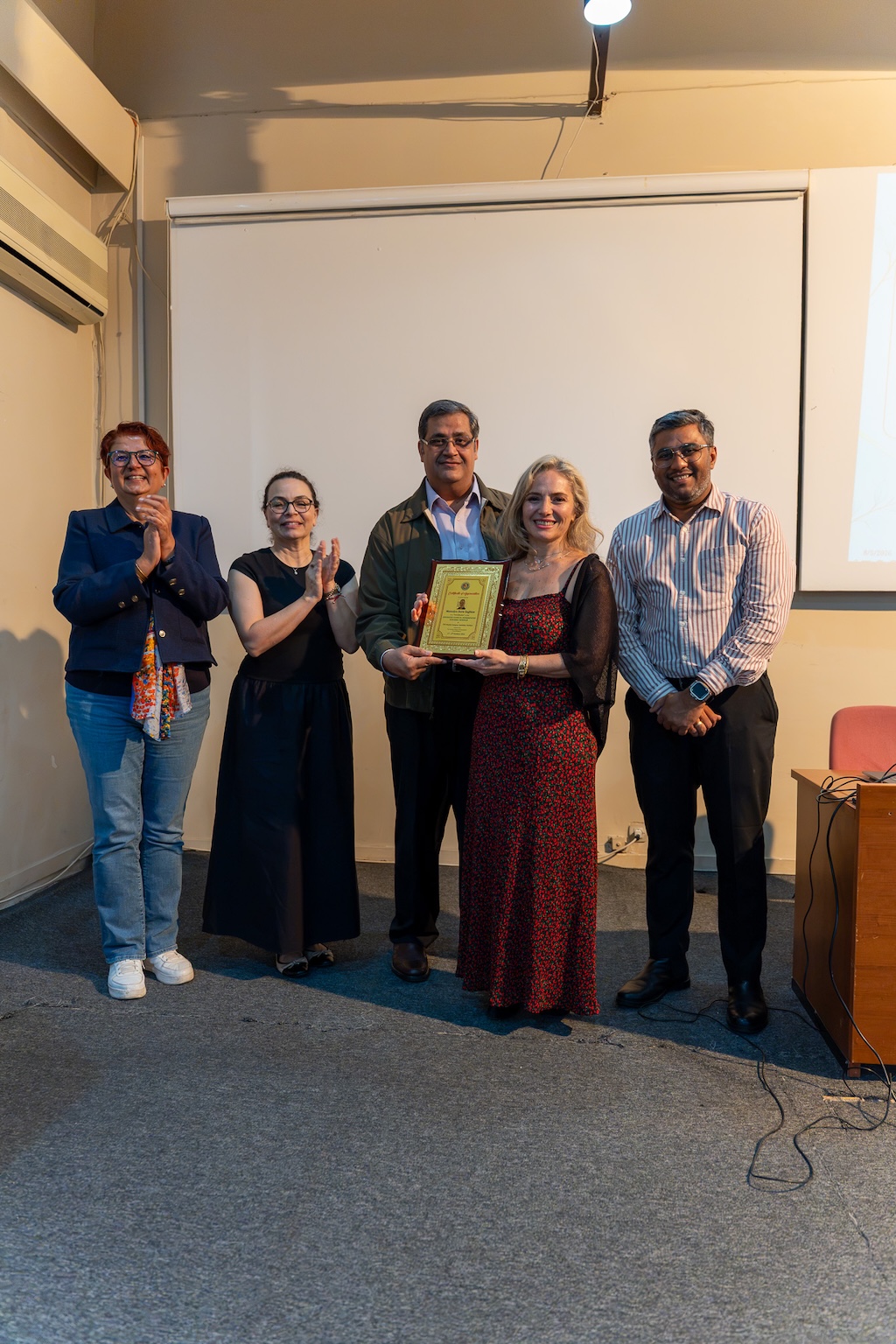
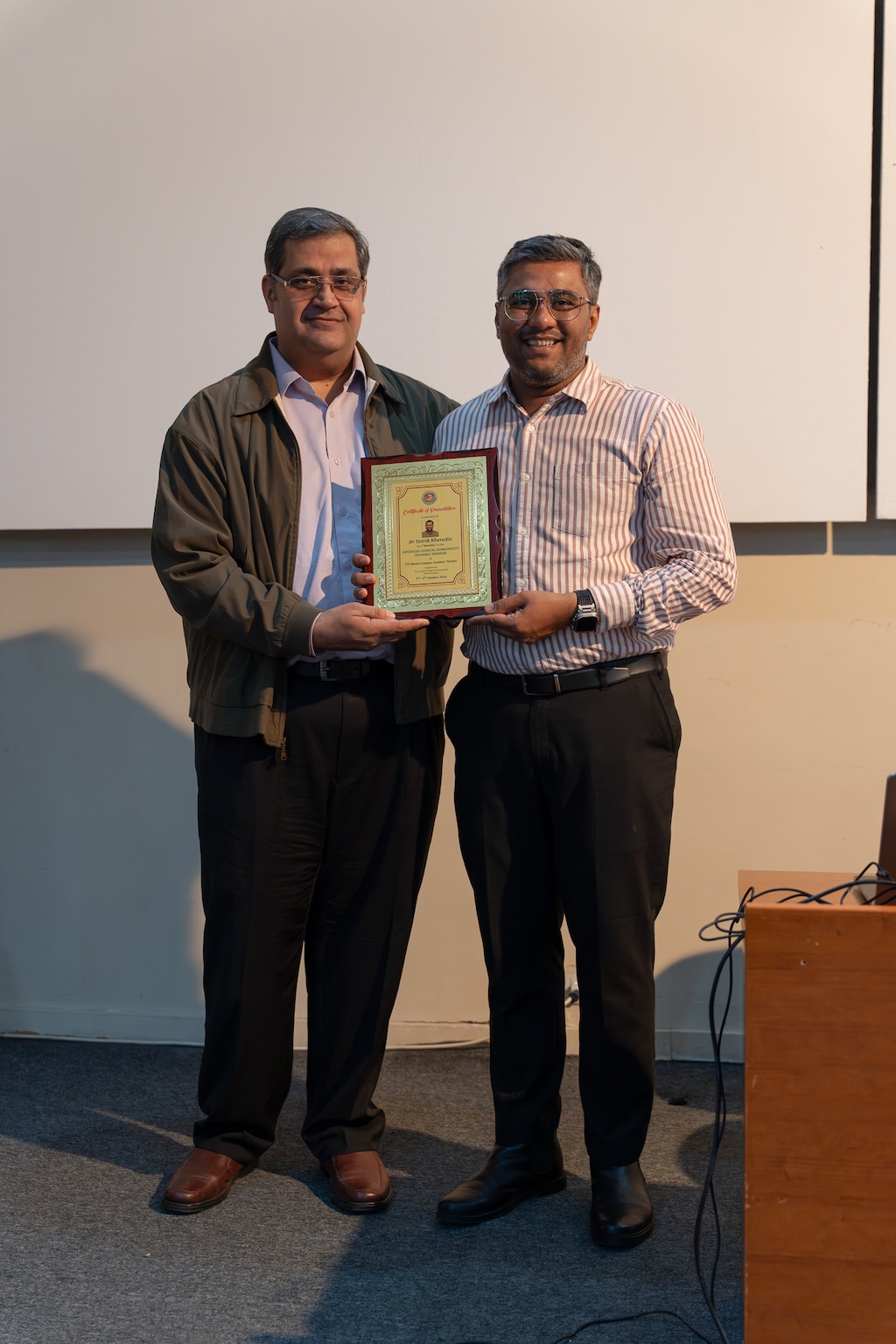
Dr Yatrik Kheradia, the expert speaker, led the academic delivery and shared his clinical expertise, pragmatic case demonstrations, and actionable prescribing insights with the attendees.

Speaking on the seminar’s success, Dr Sandeep Kaila, Director of LCH UK, highlighted the institution’s commitment to global educational standards:

“The enthusiastic participation of over 60 healthcare professionals in Istanbul marks an important milestone in our mission to standardise high-quality homeopathic practice globally. We remain committed to supporting clinicians in Turkey with world-class pedagogical frameworks and evidence-based clinical training.”

Request Access to Full Recording Below

The operational and academic success of the event was coordinated by Ms Manolya Sura Saglam, LCH UK Türkiye Coordinator, whose strategic ground planning ensured exemplary execution of the event. Notable contributions were made by distinguished LCH UK Türkiye faculty members Dr Burcin Sural, Dr Gamze Arpaci, and Defne Tahtakıran, who provided vital academic moderation and mentorship to delegates throughout the programme. 

An equal note of gratitude is expressed for all the delegates for this seminar, a grand success.

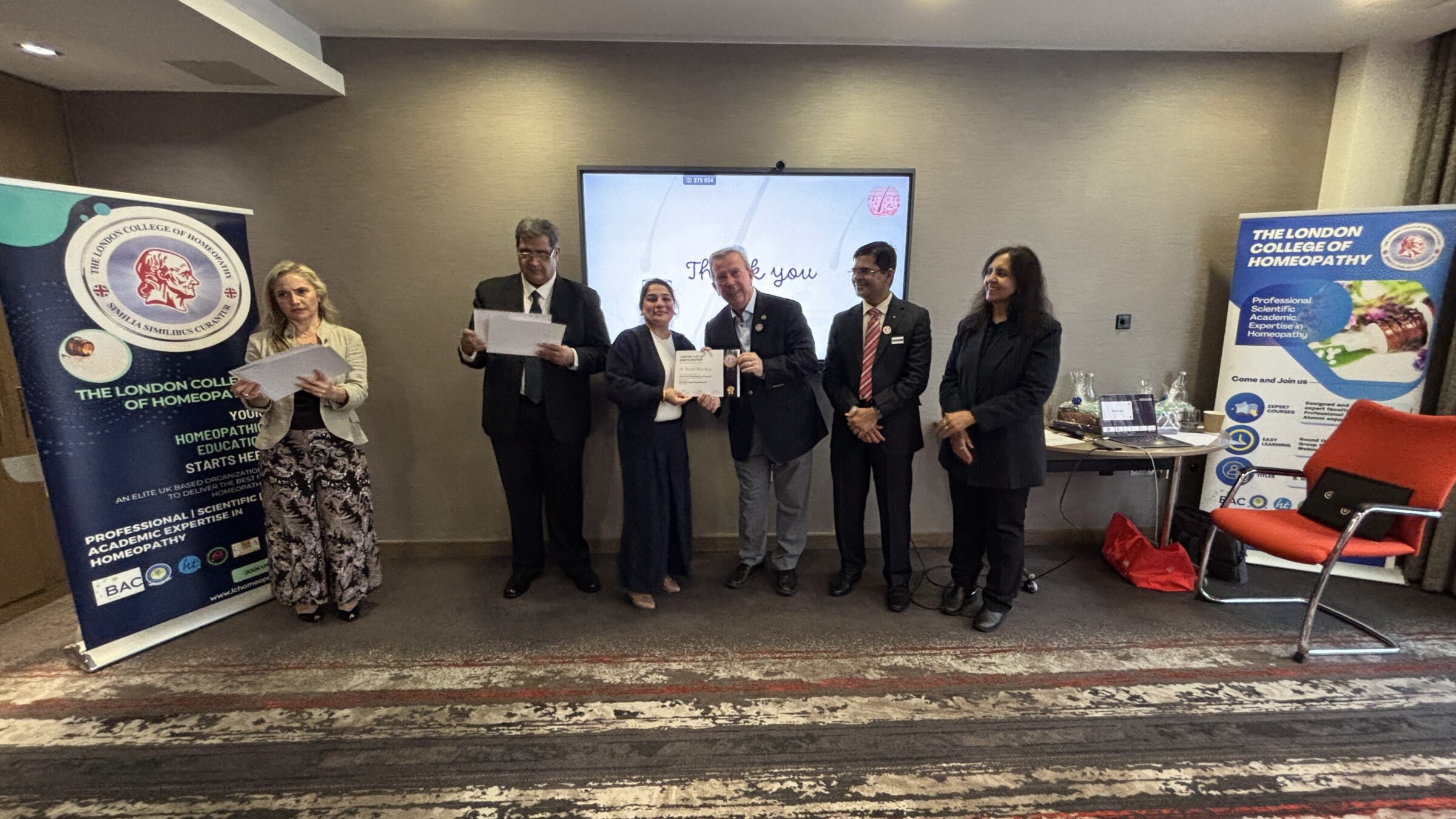
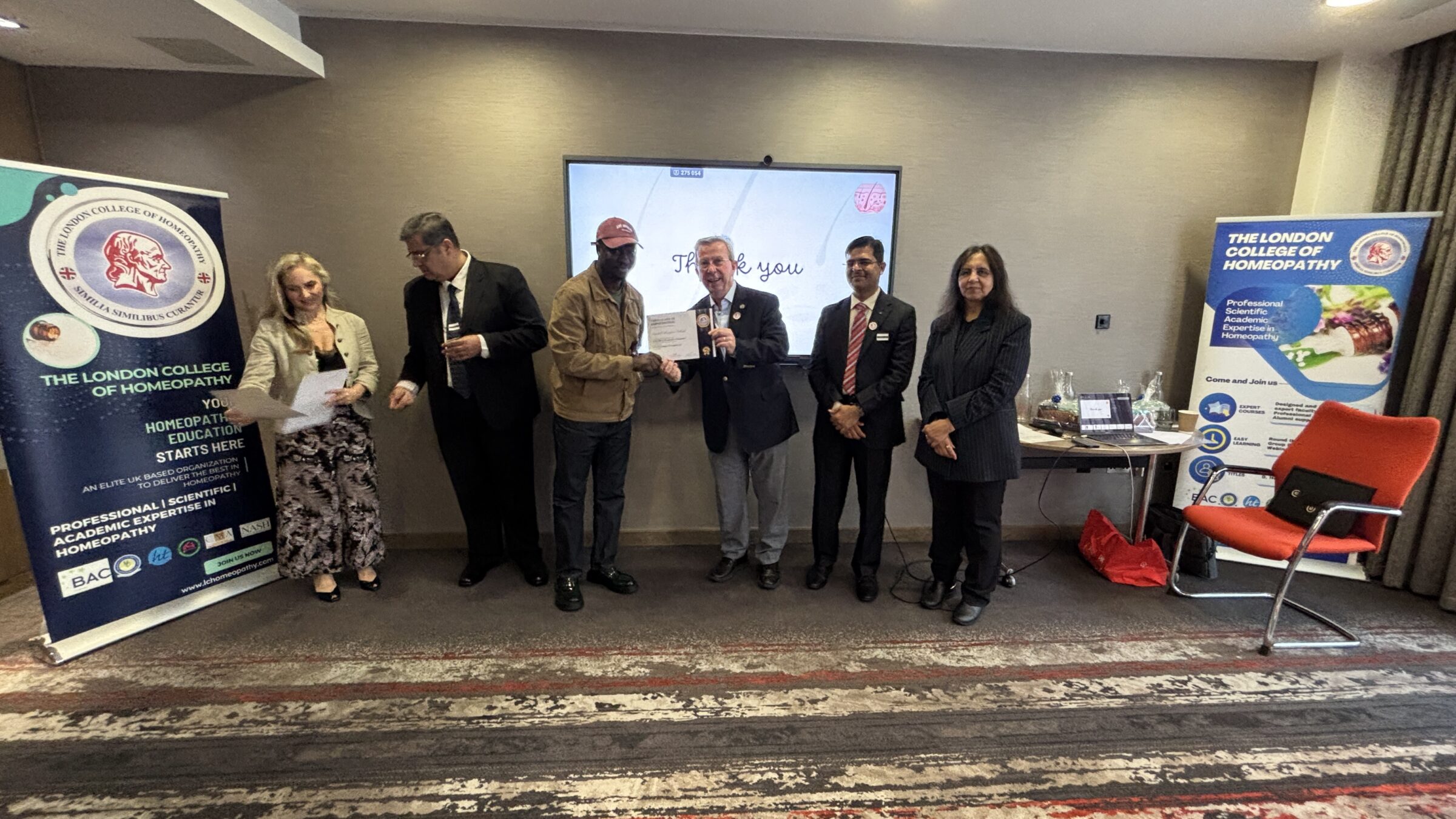
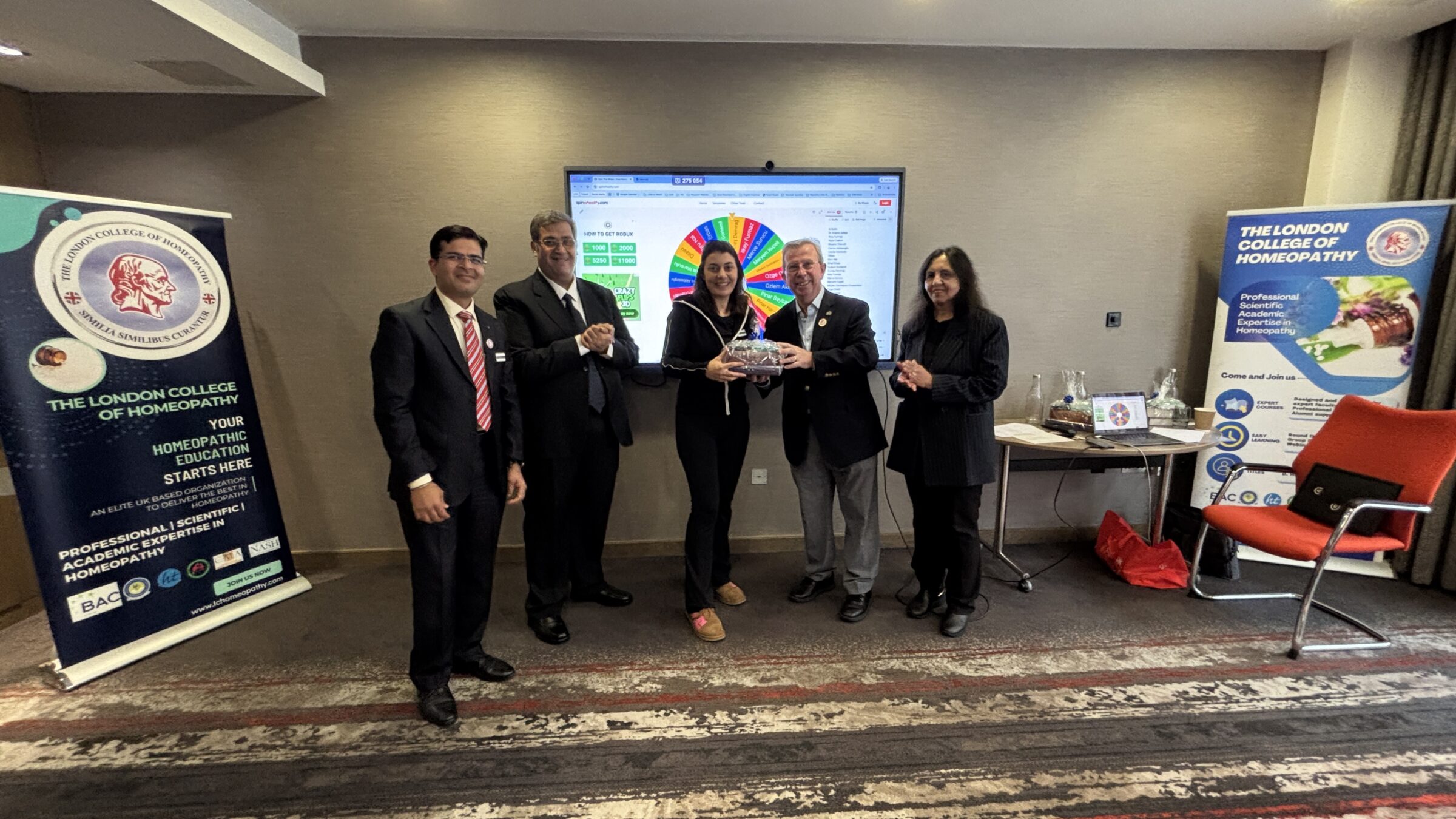
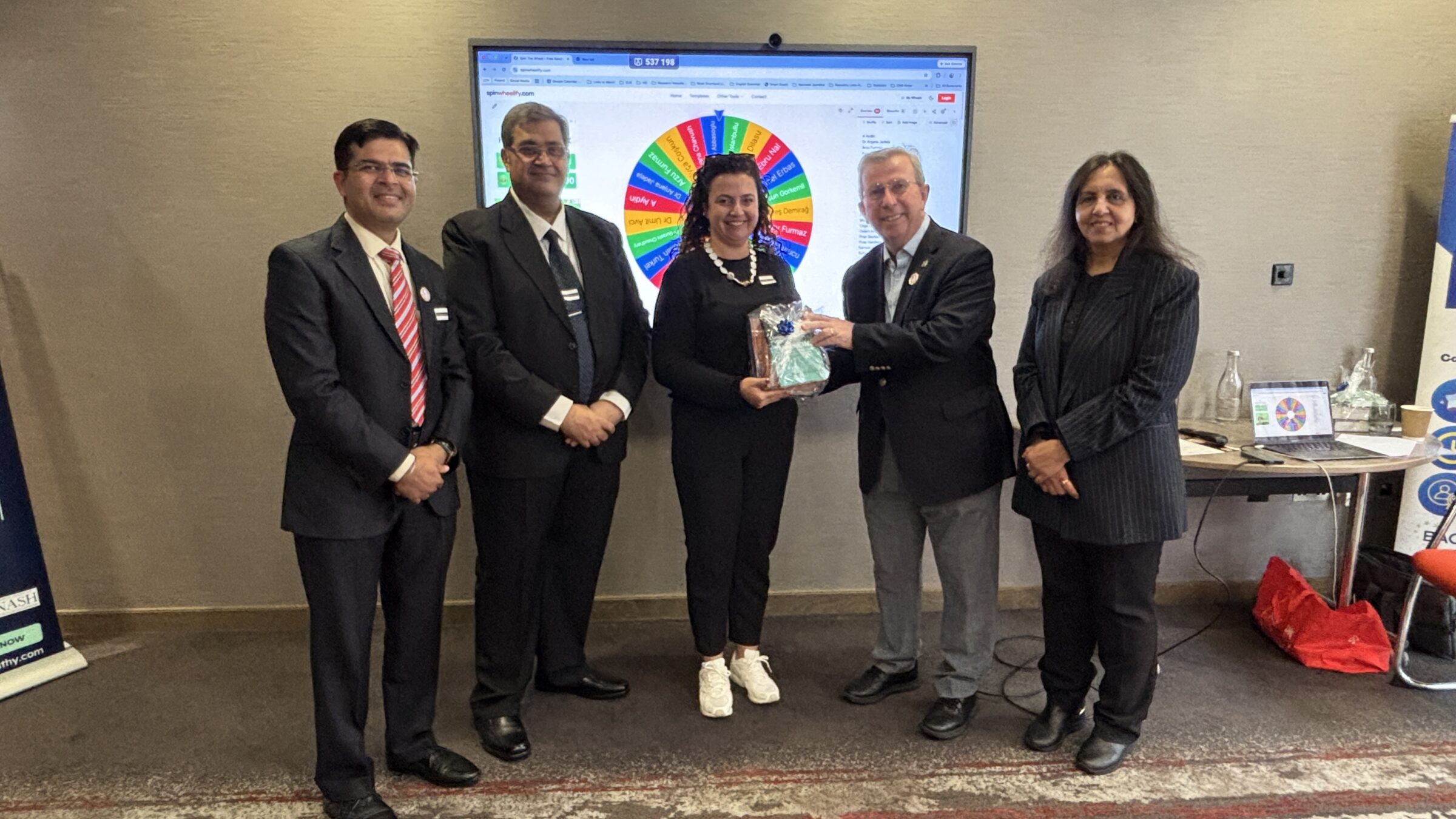
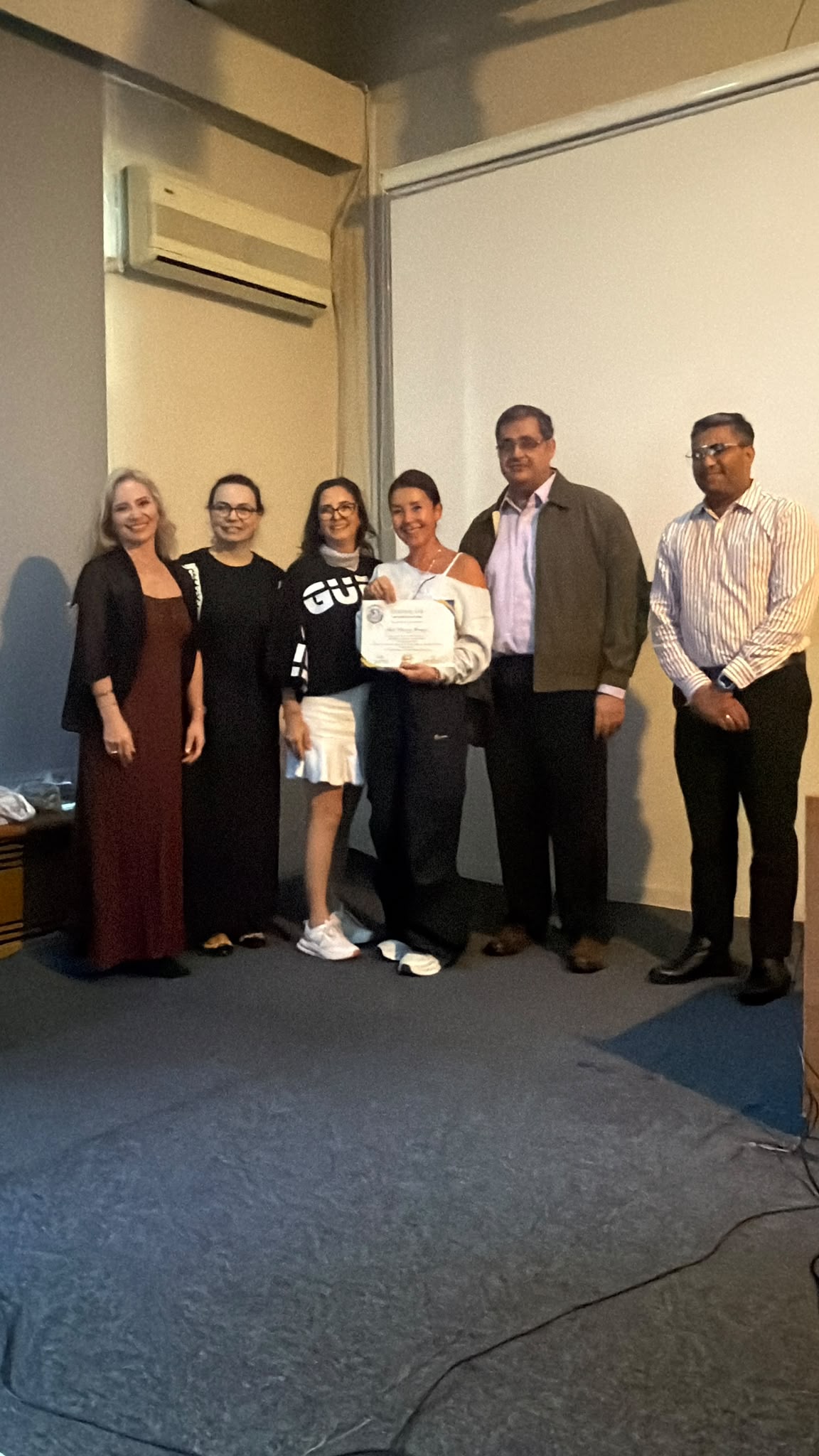
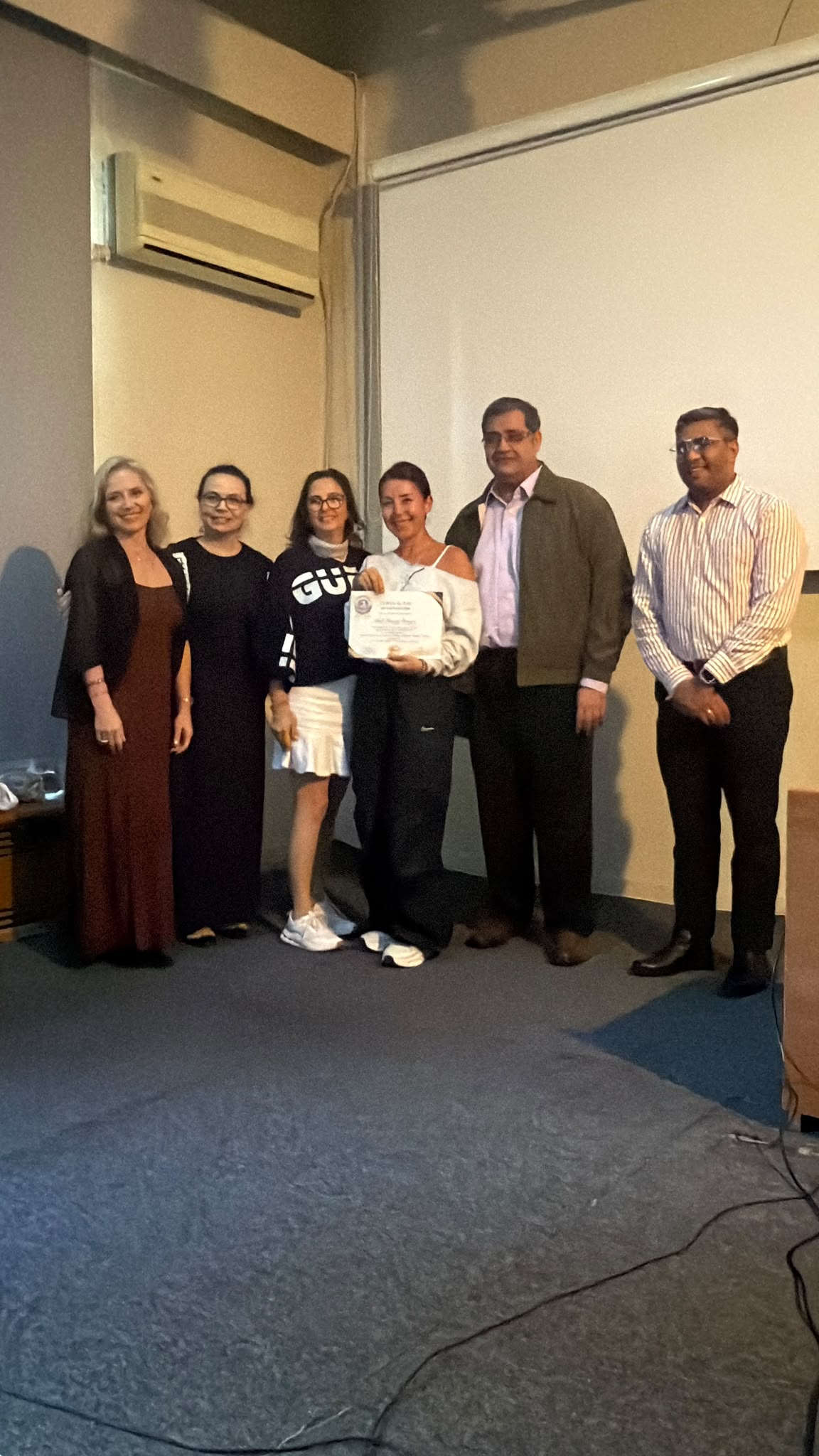
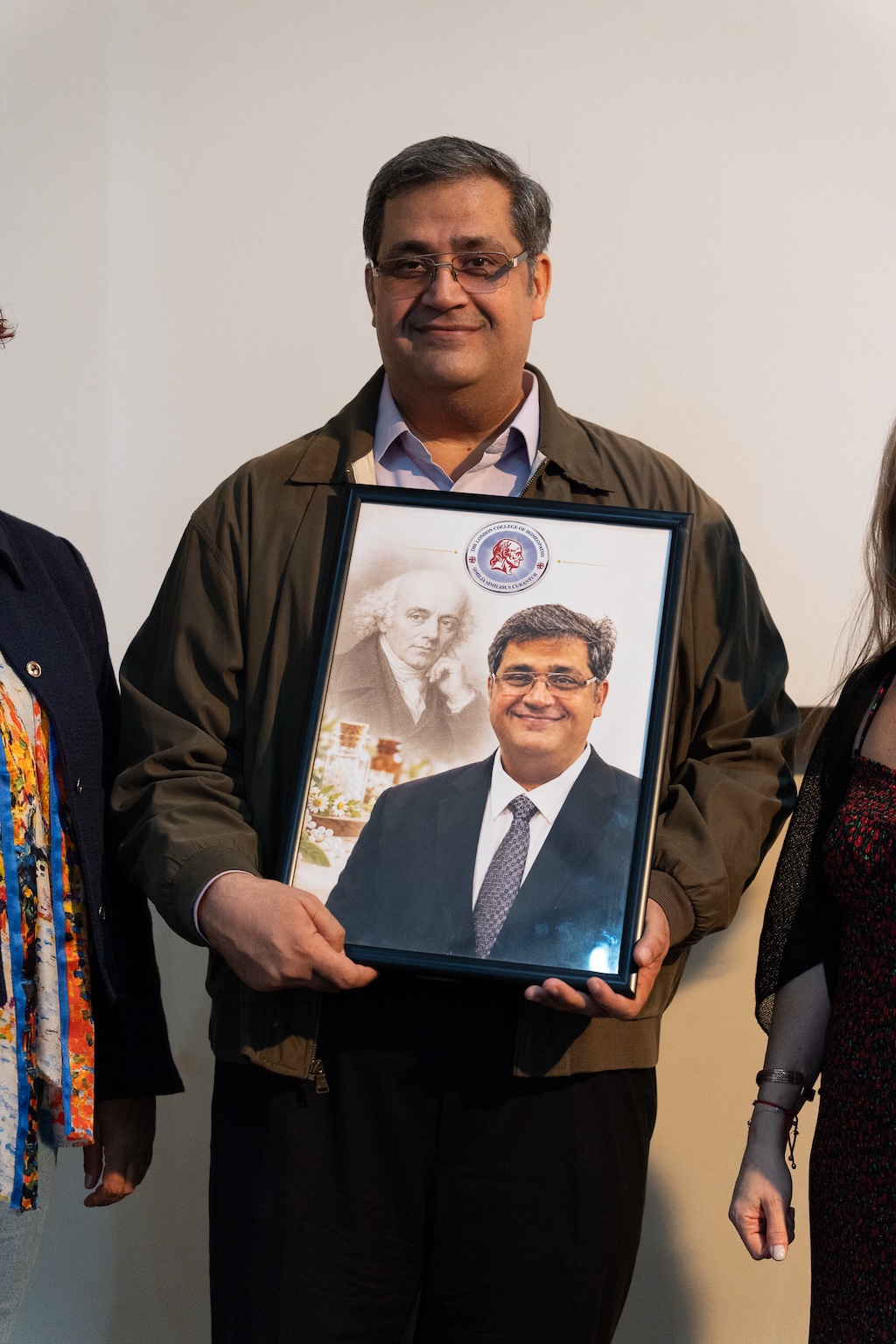
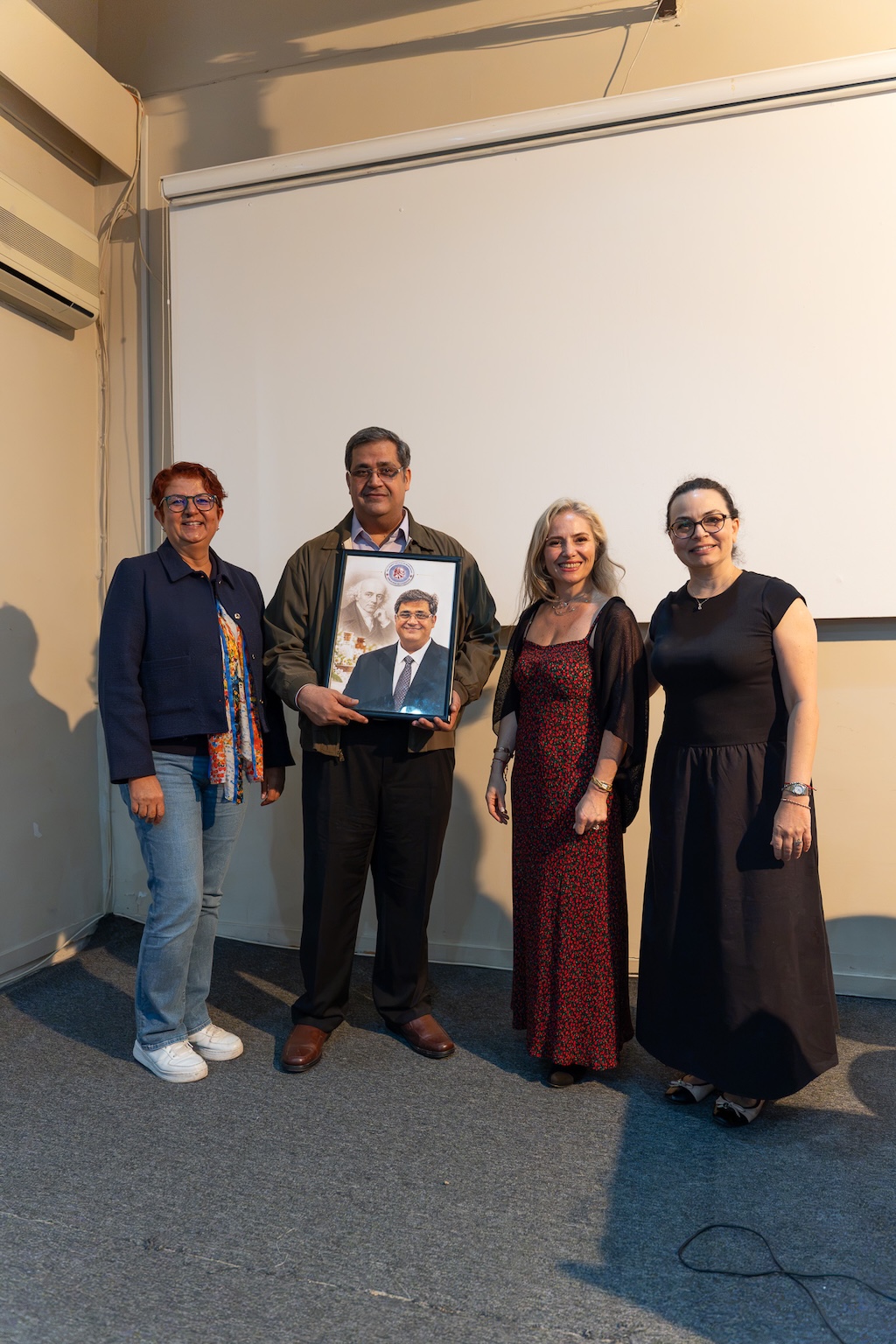
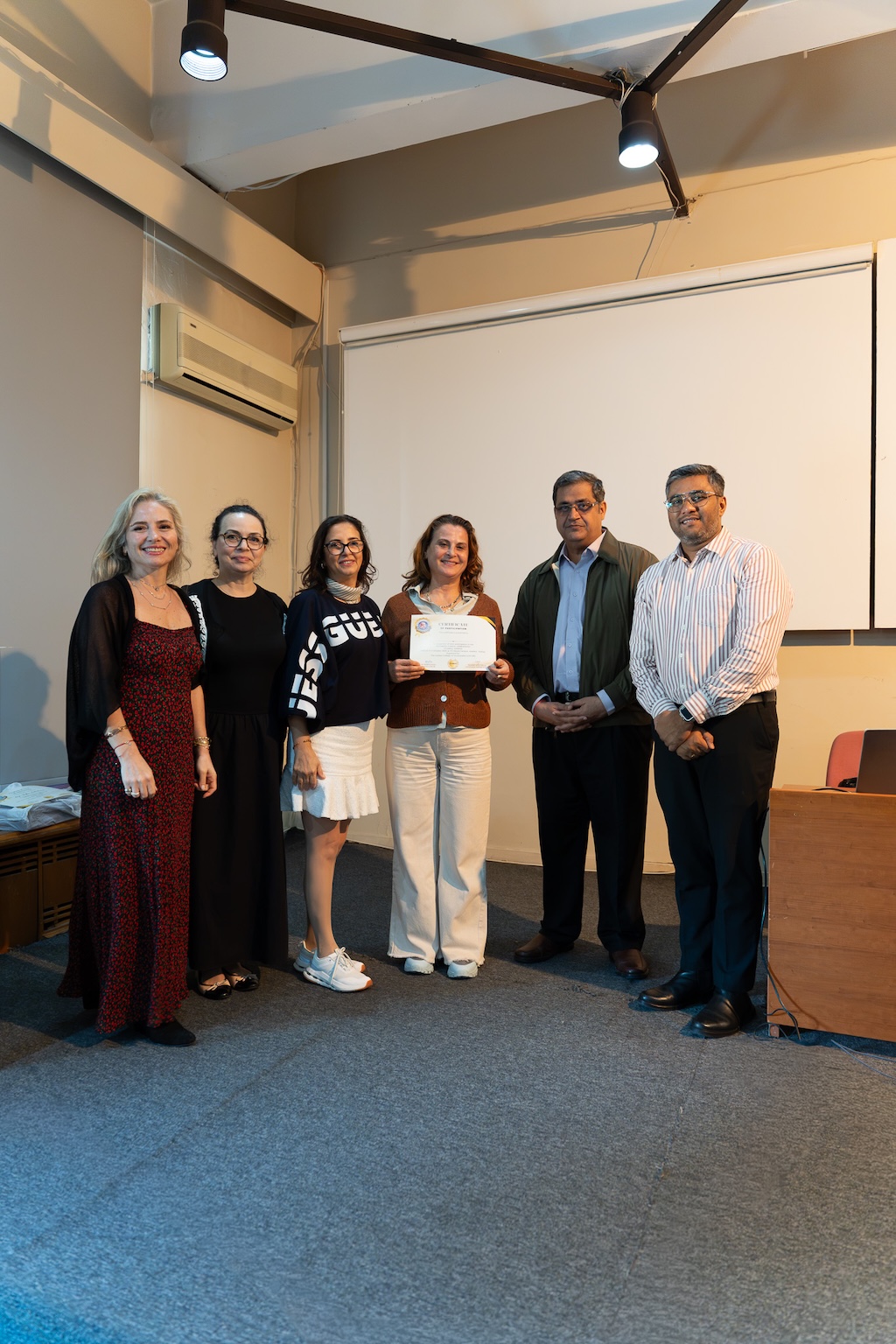
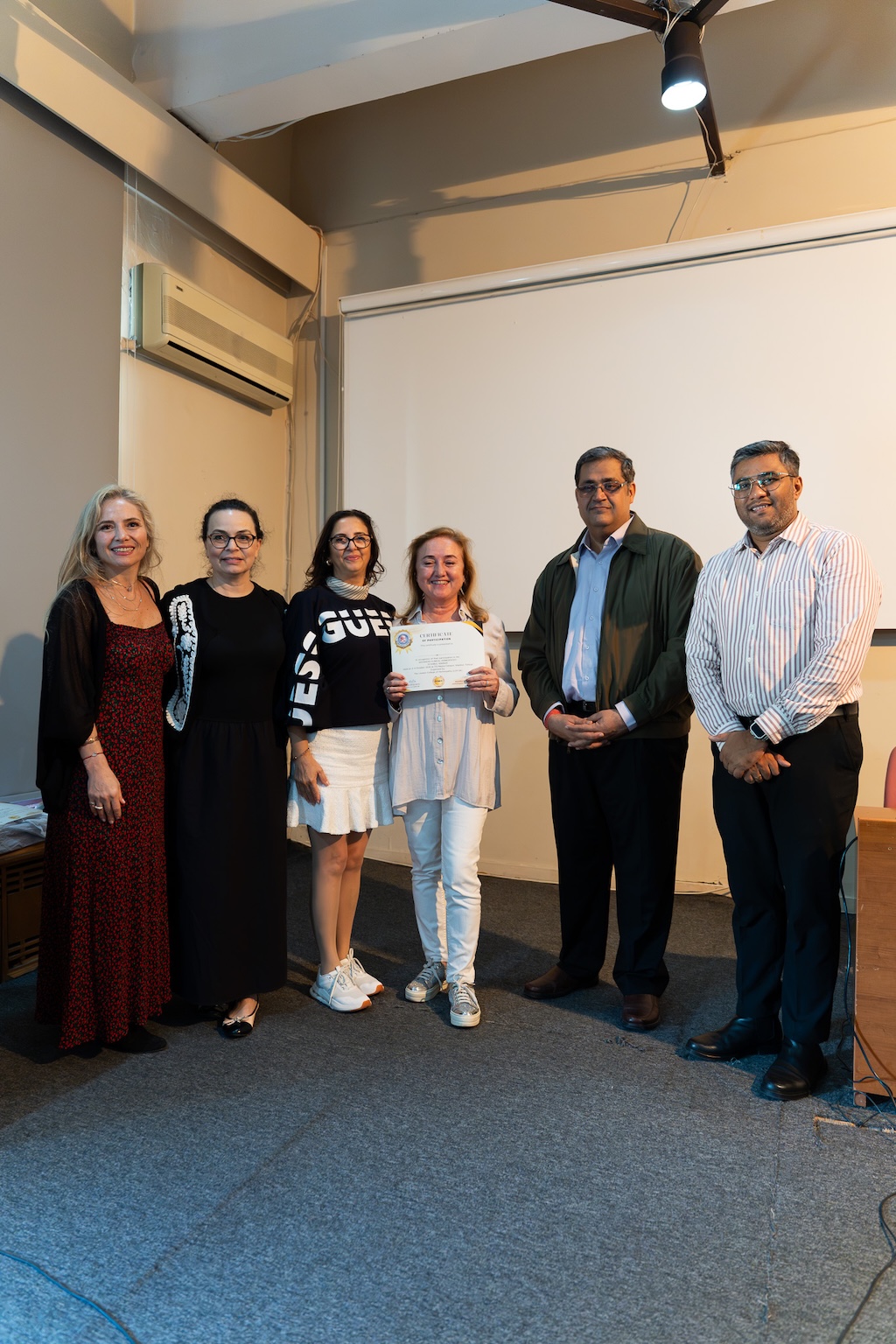
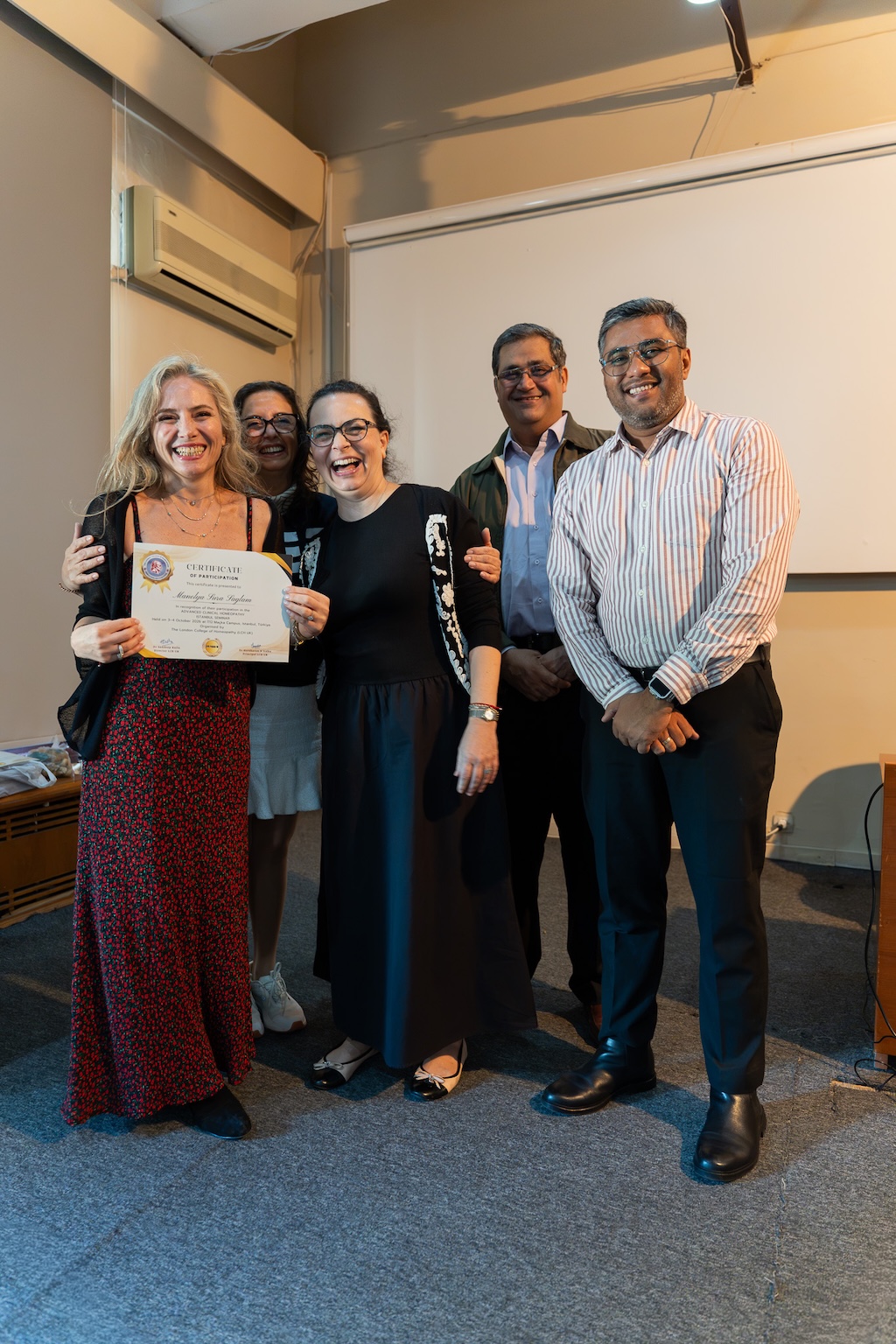
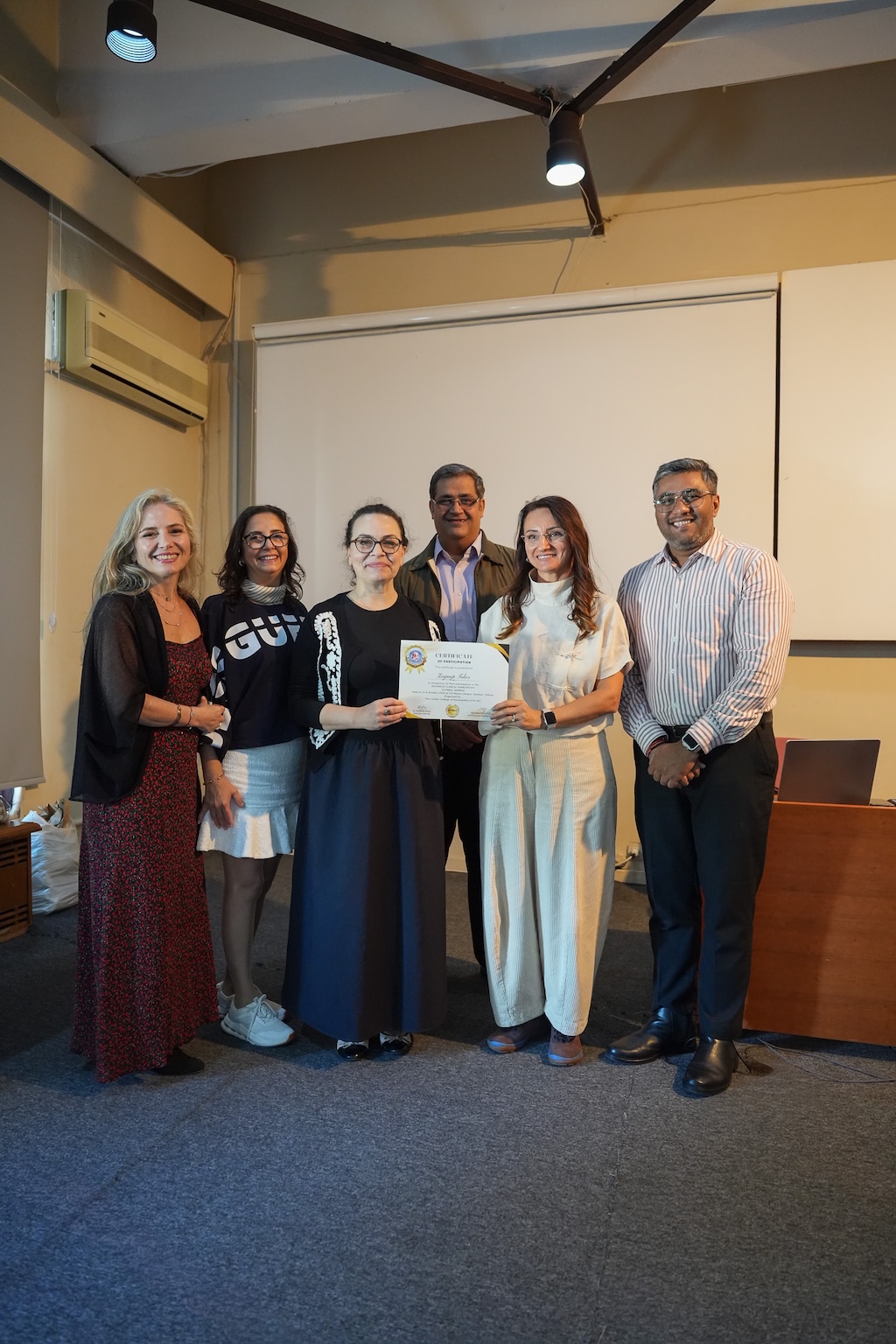
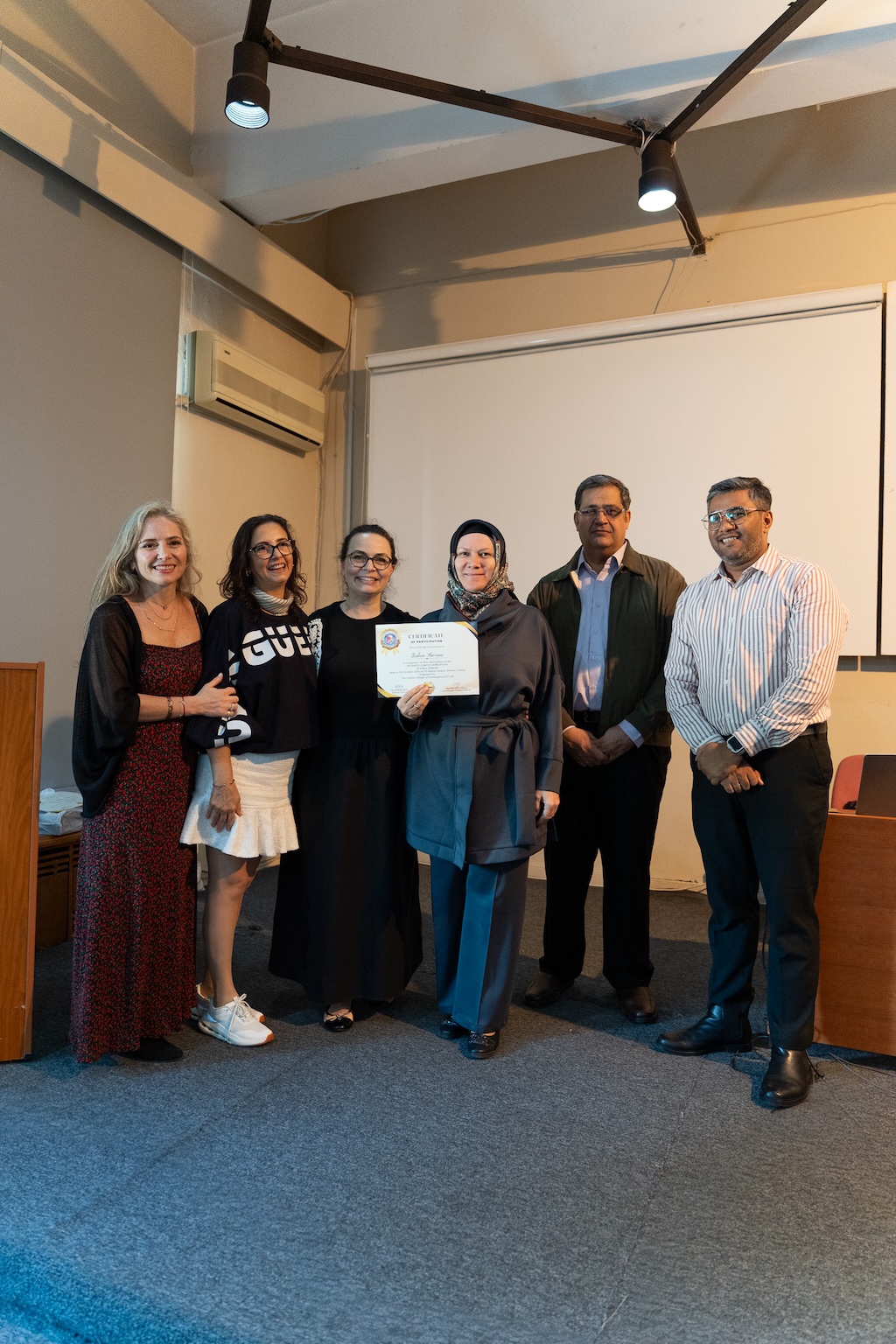
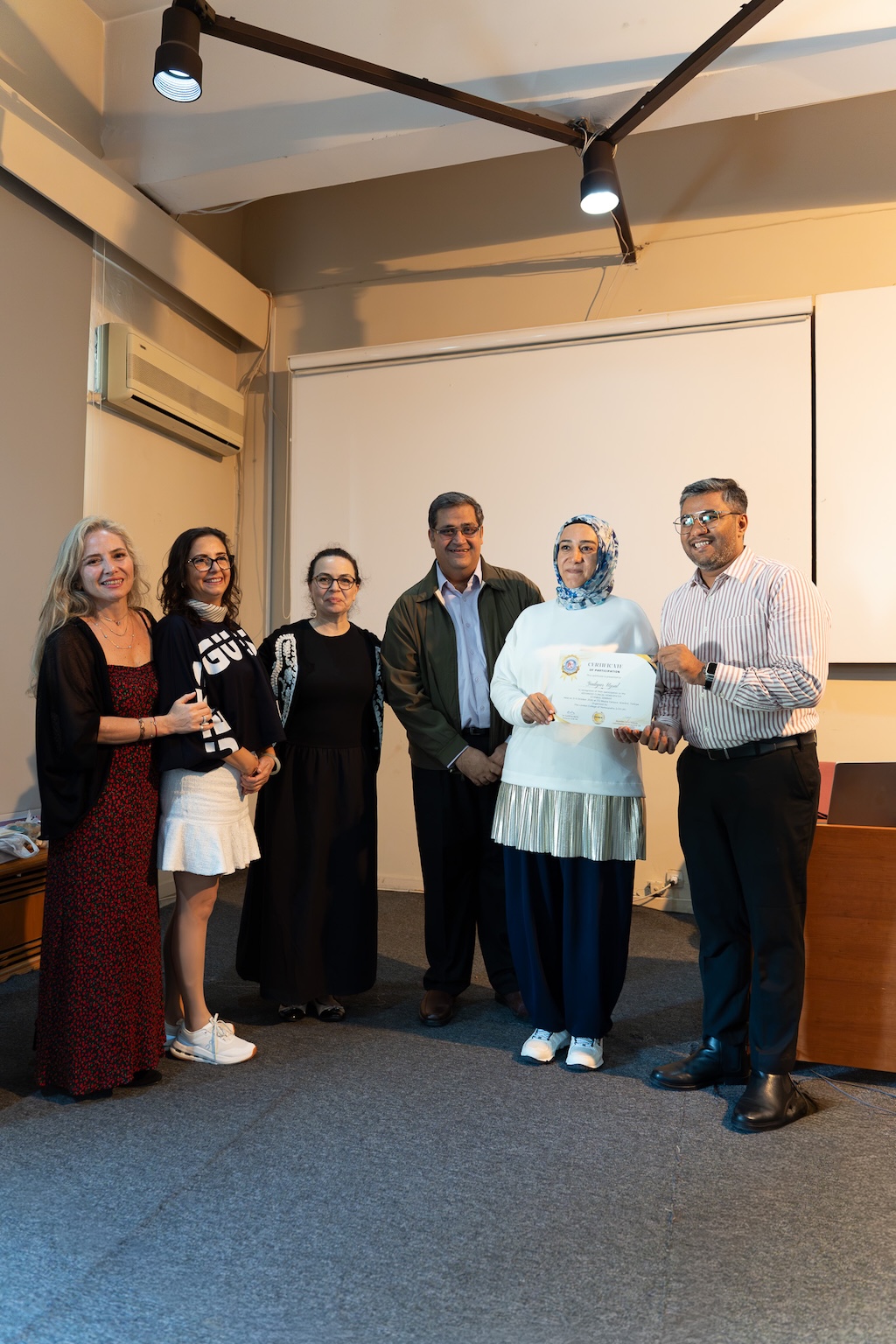
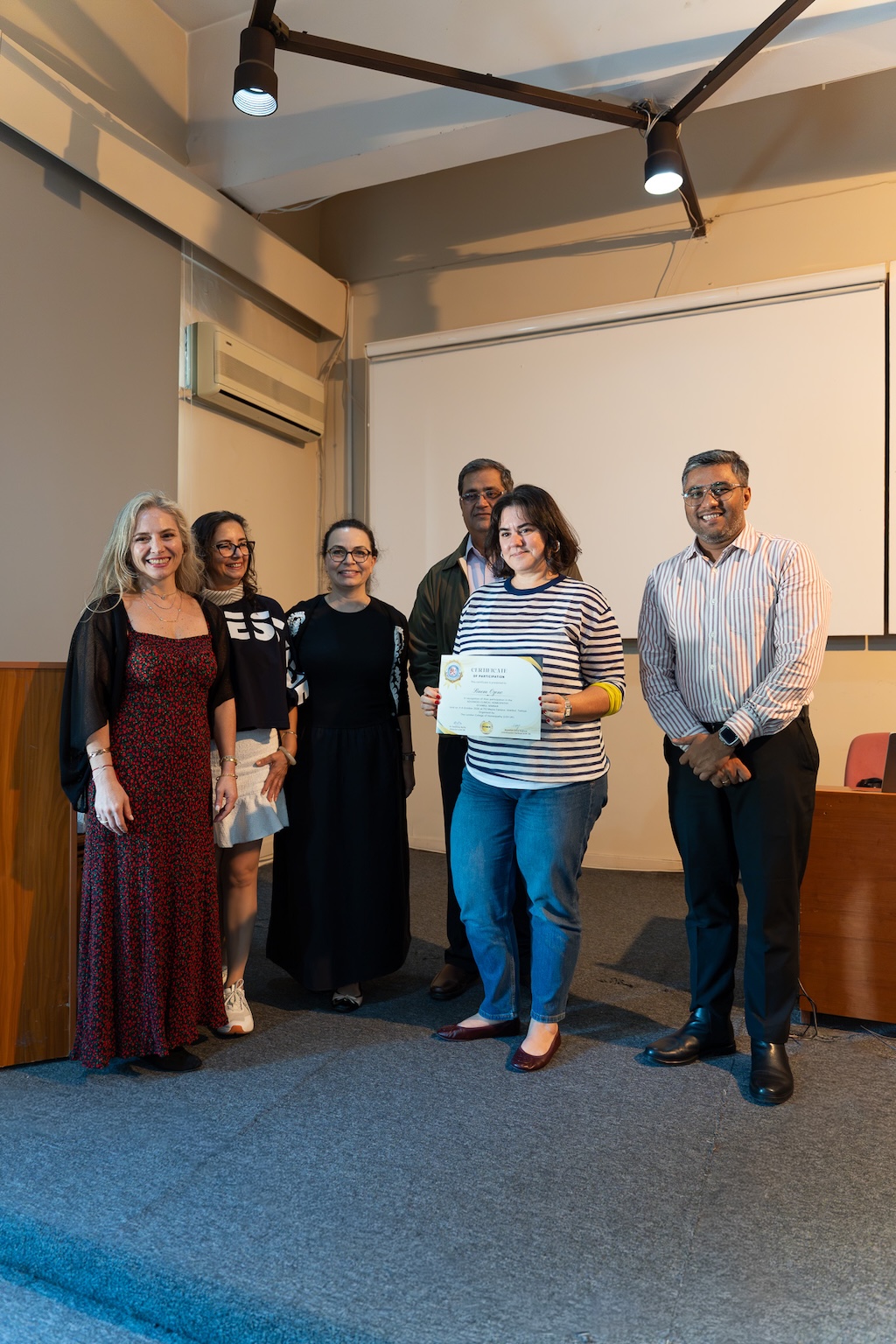
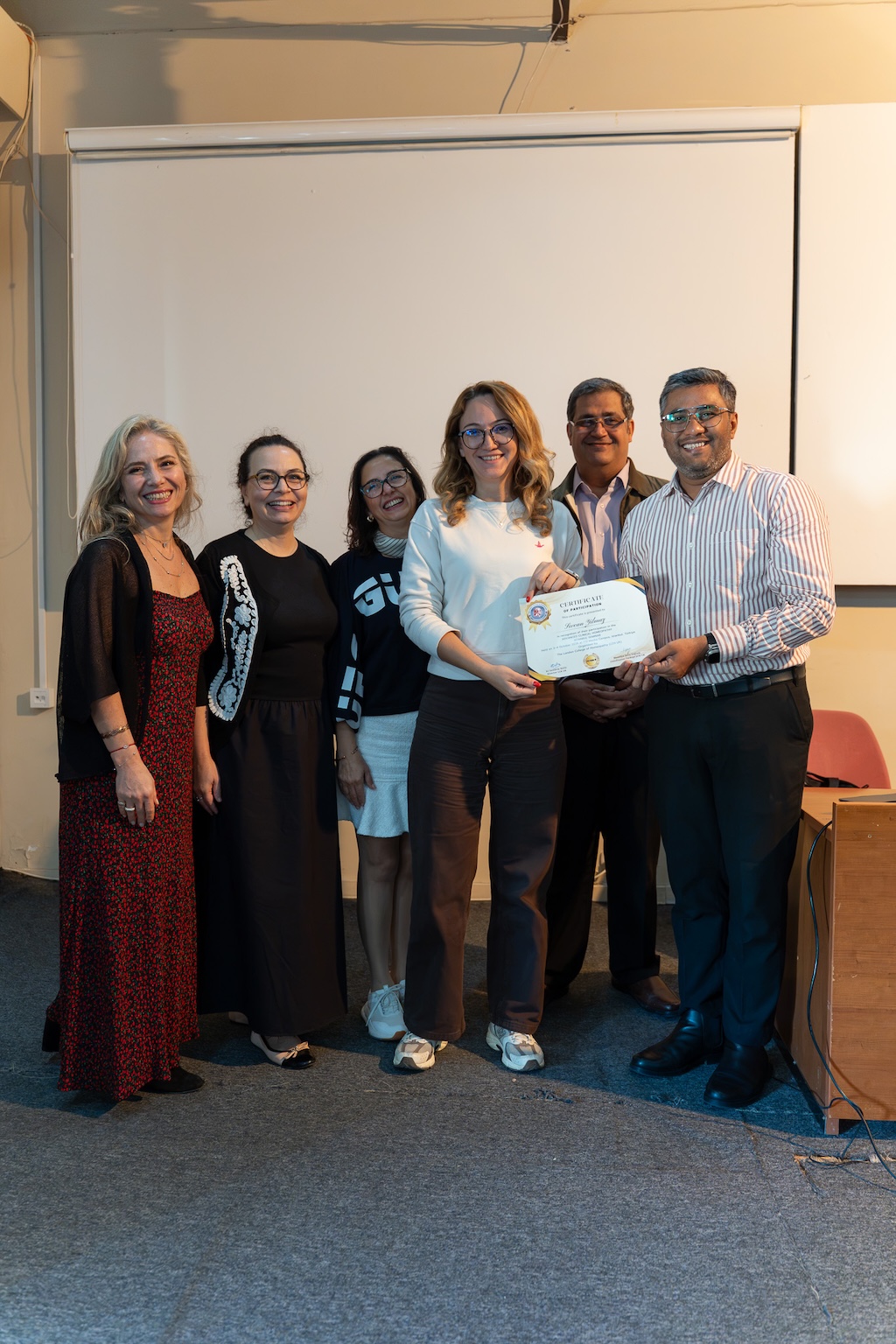
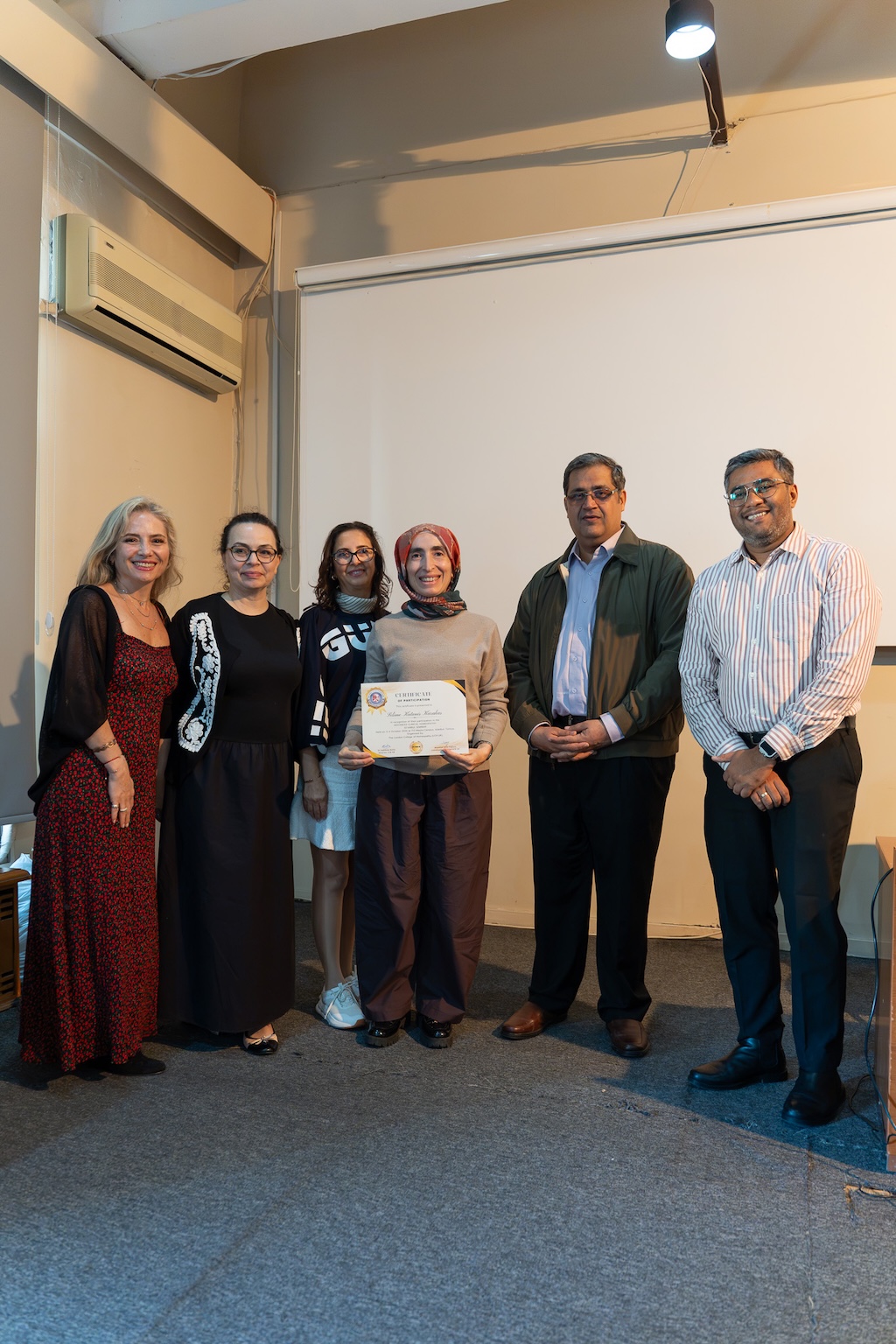
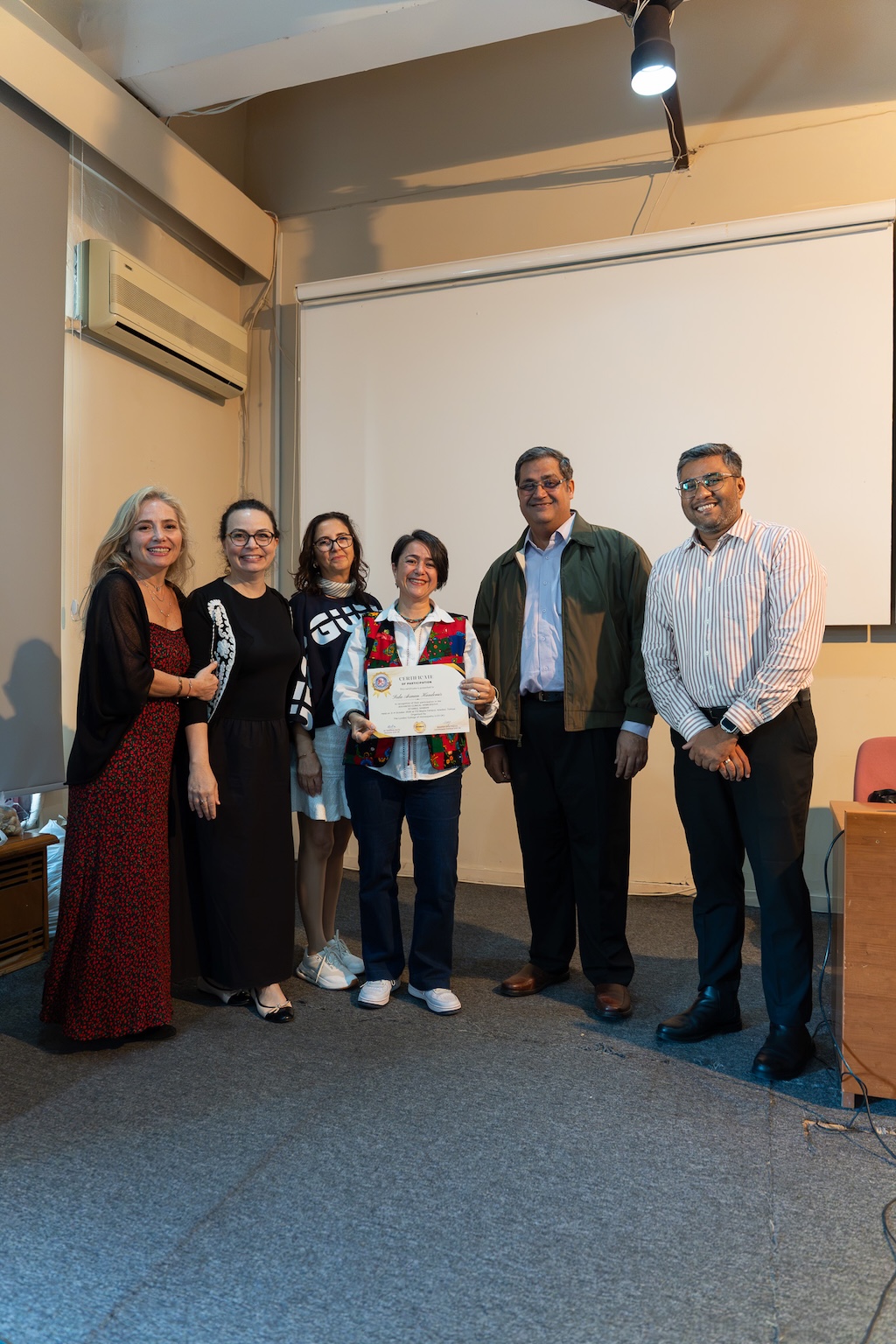
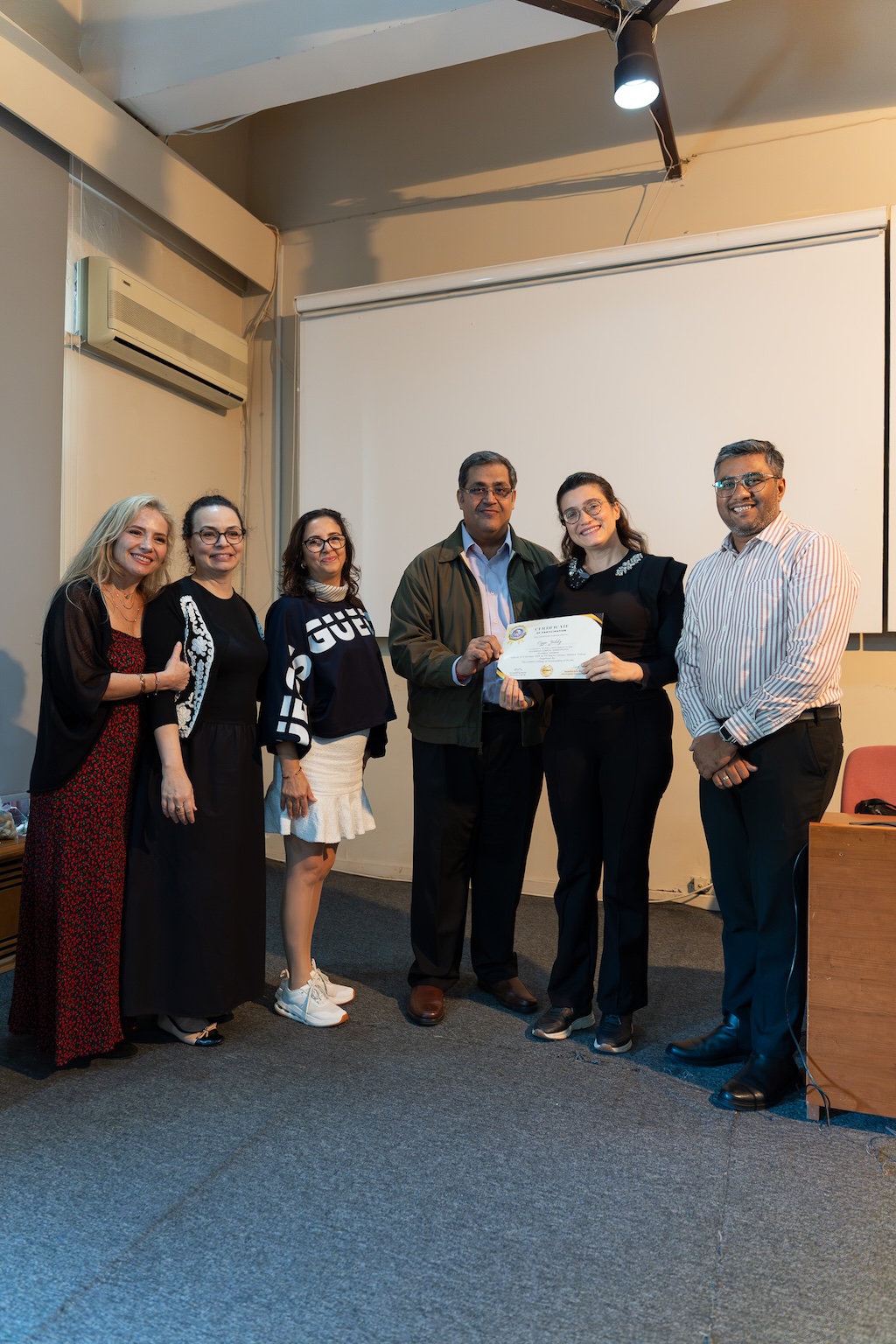
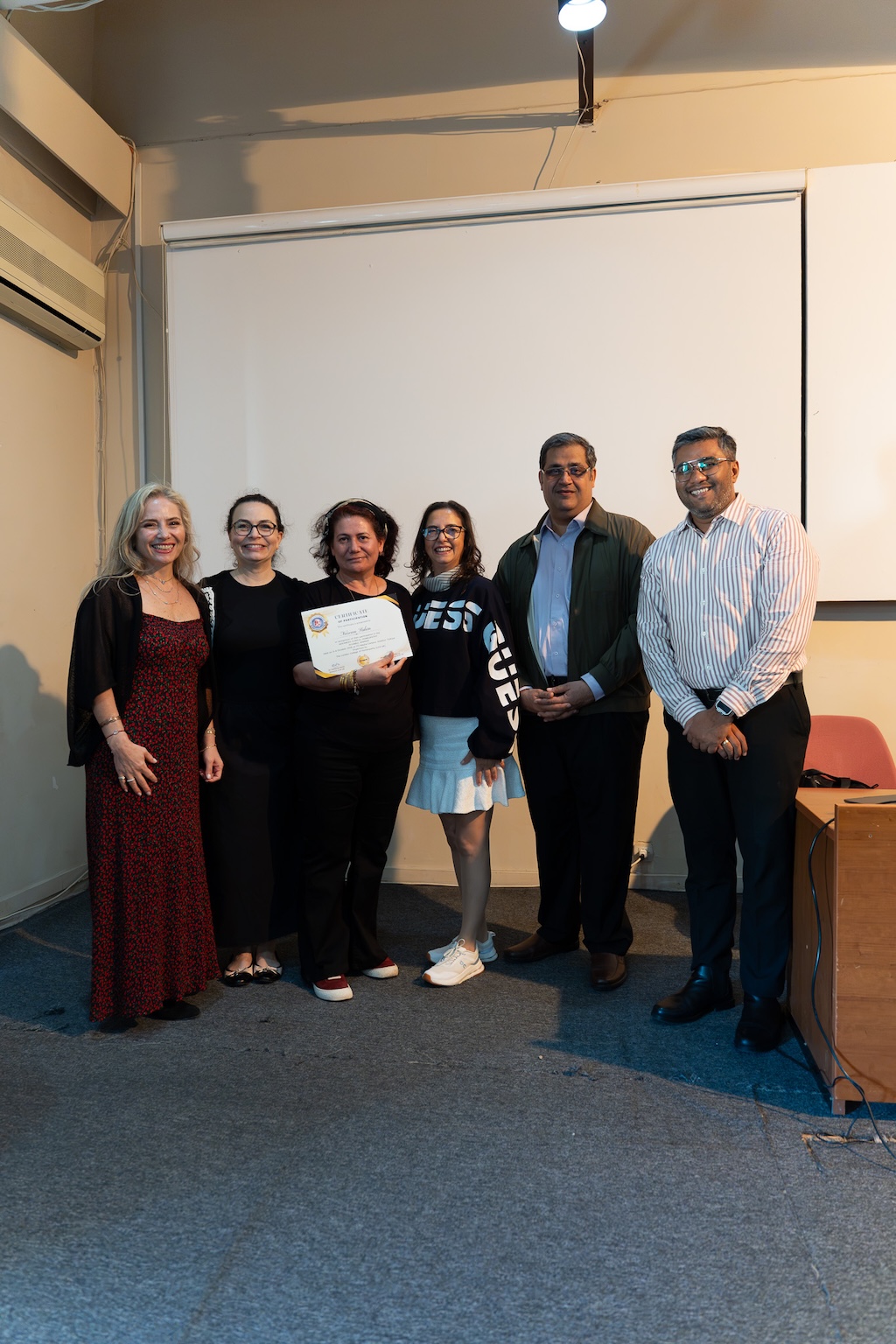
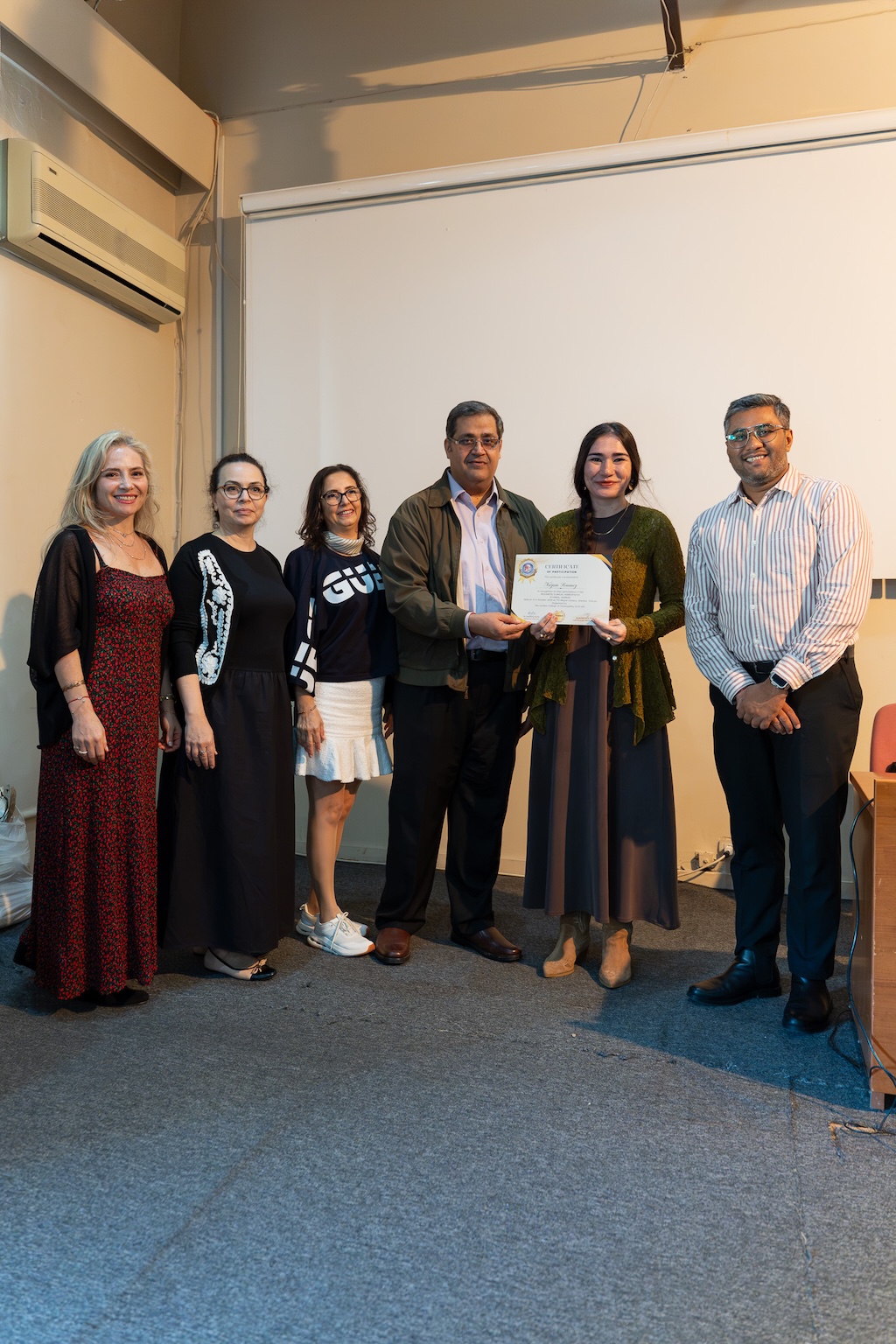
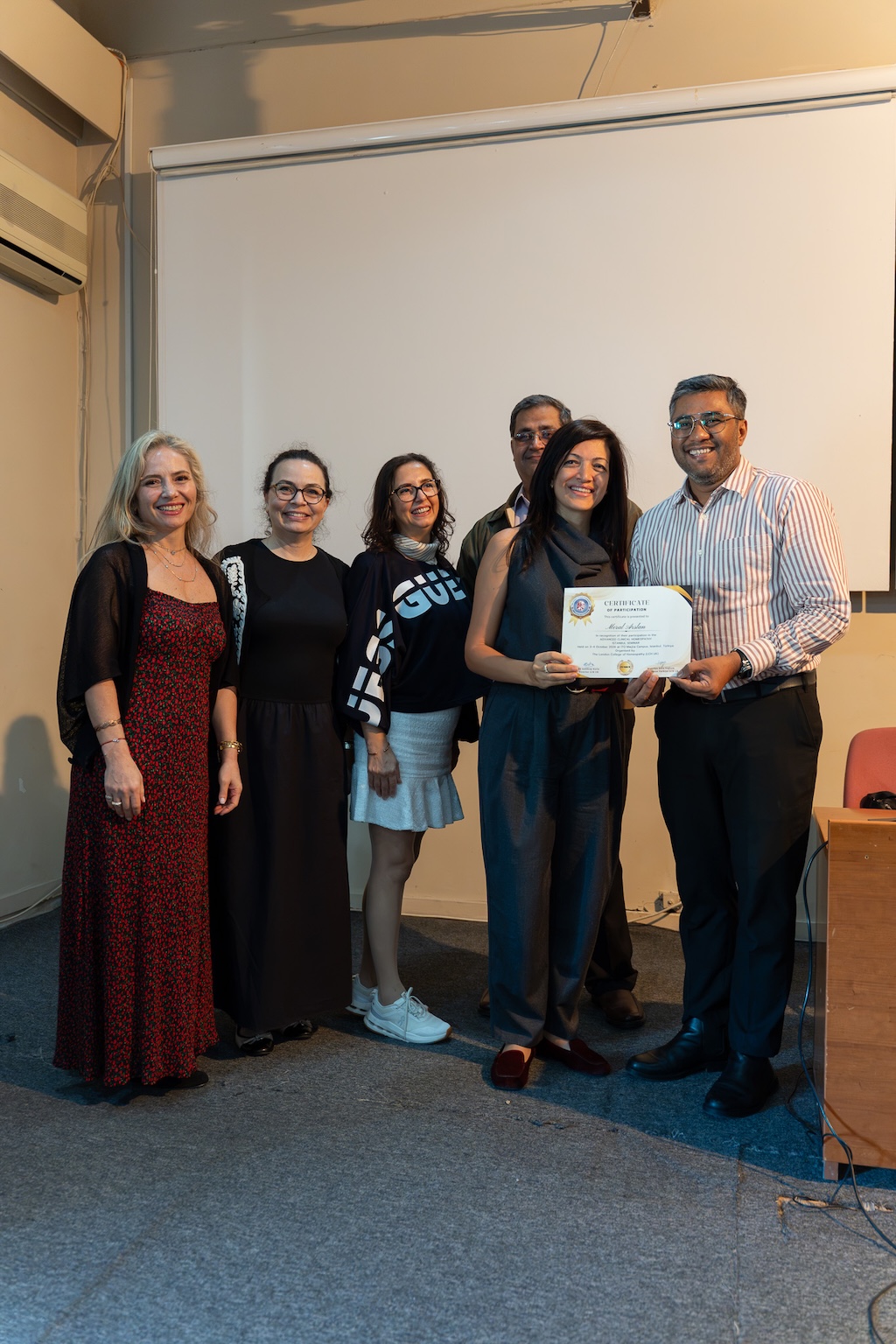
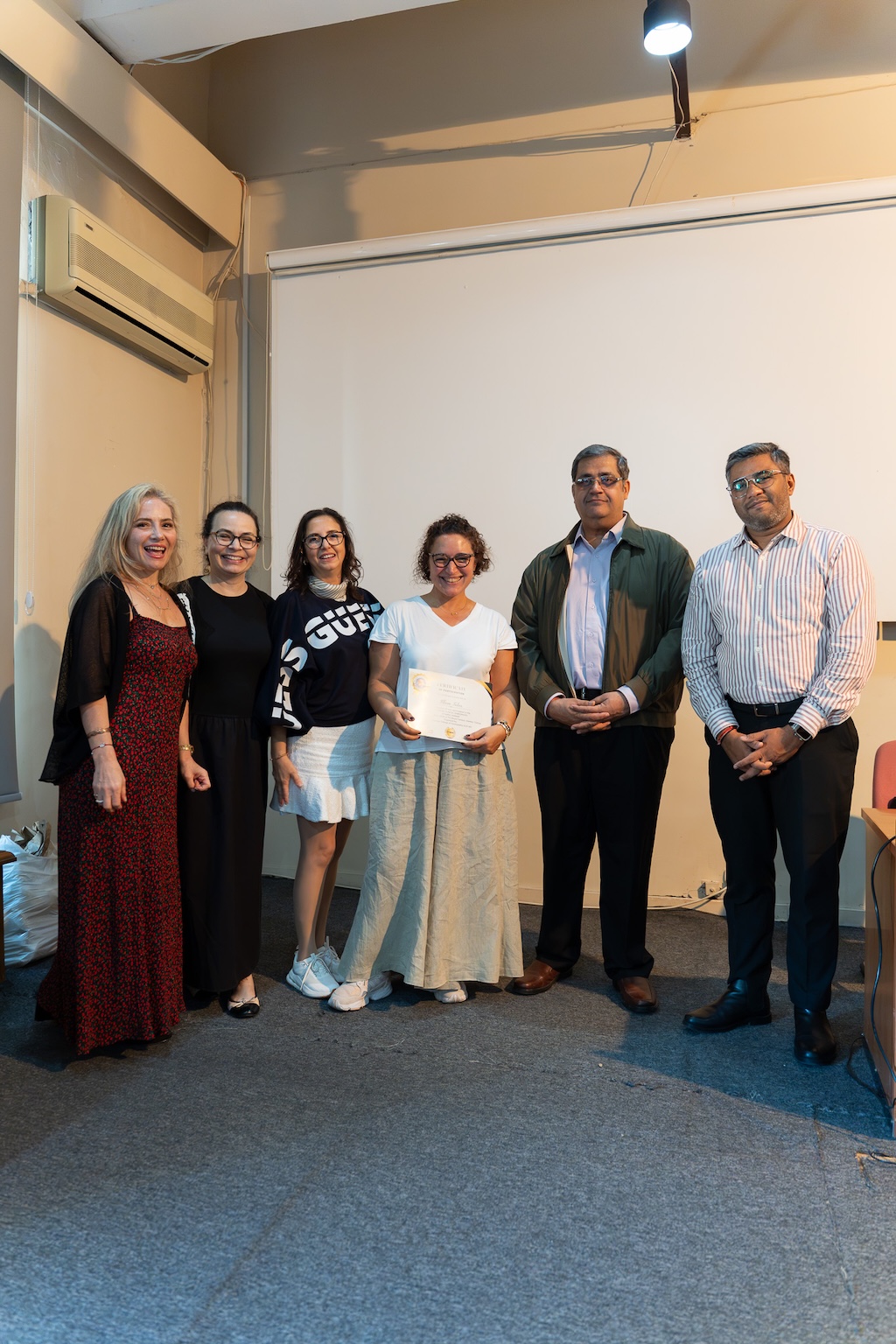
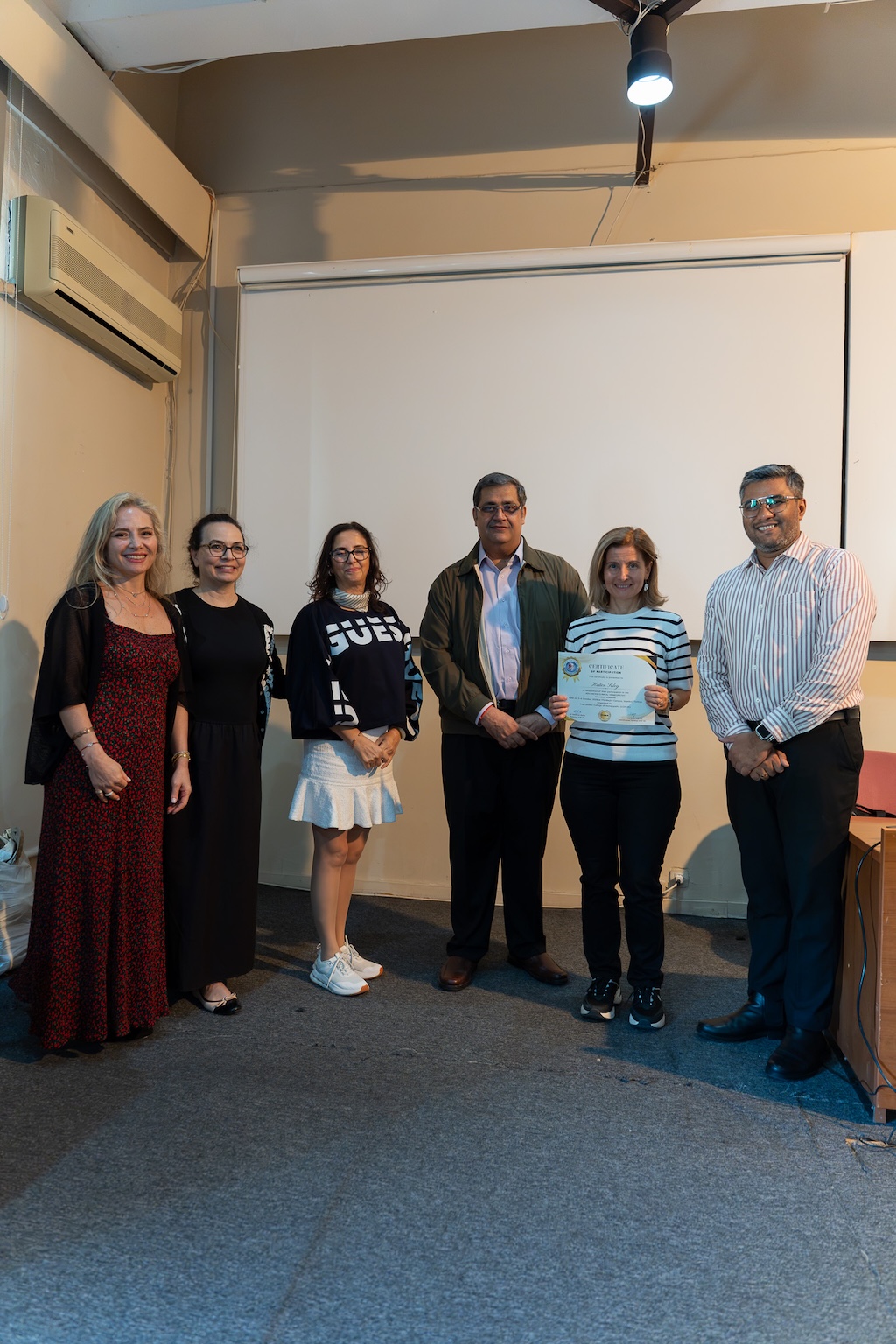
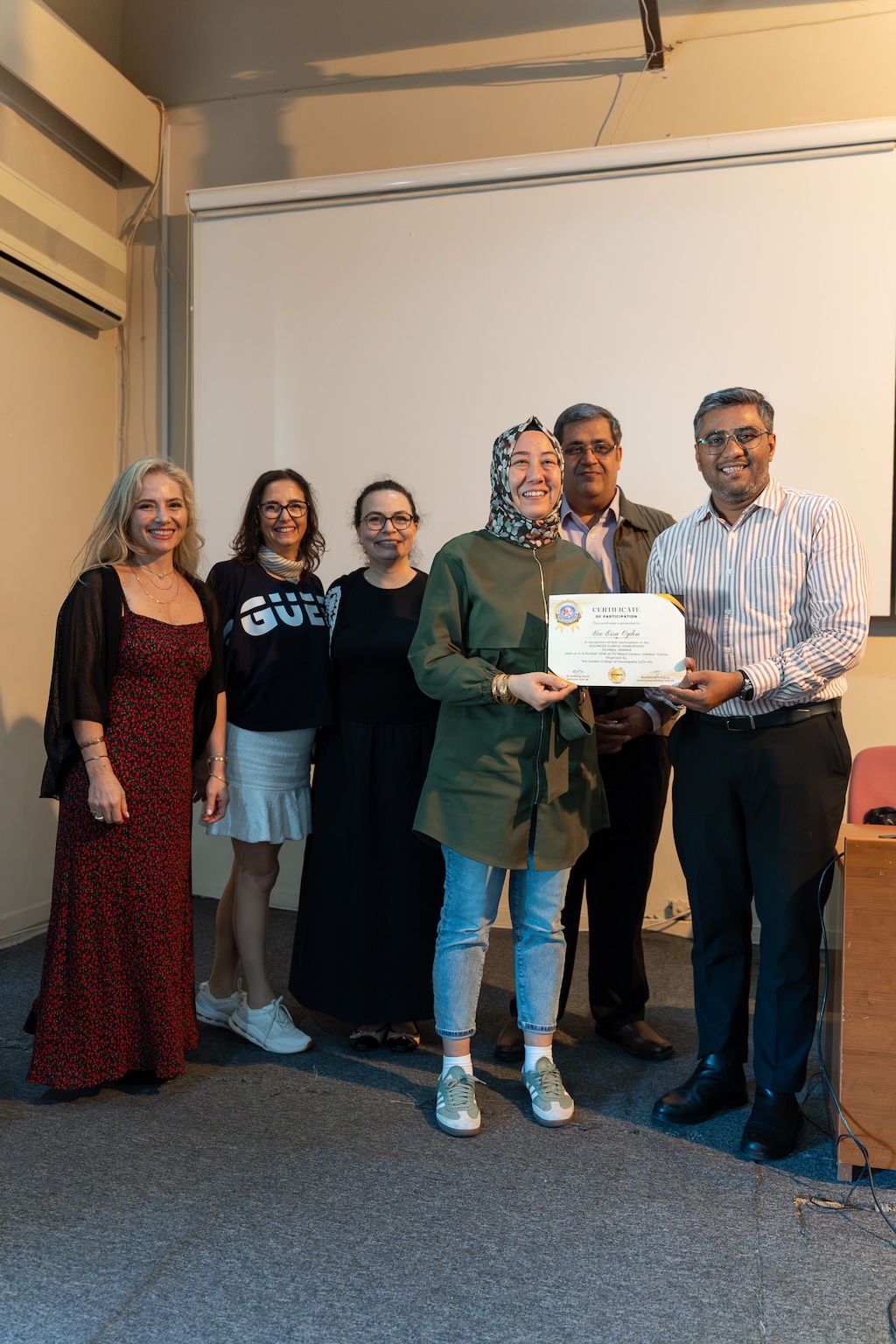
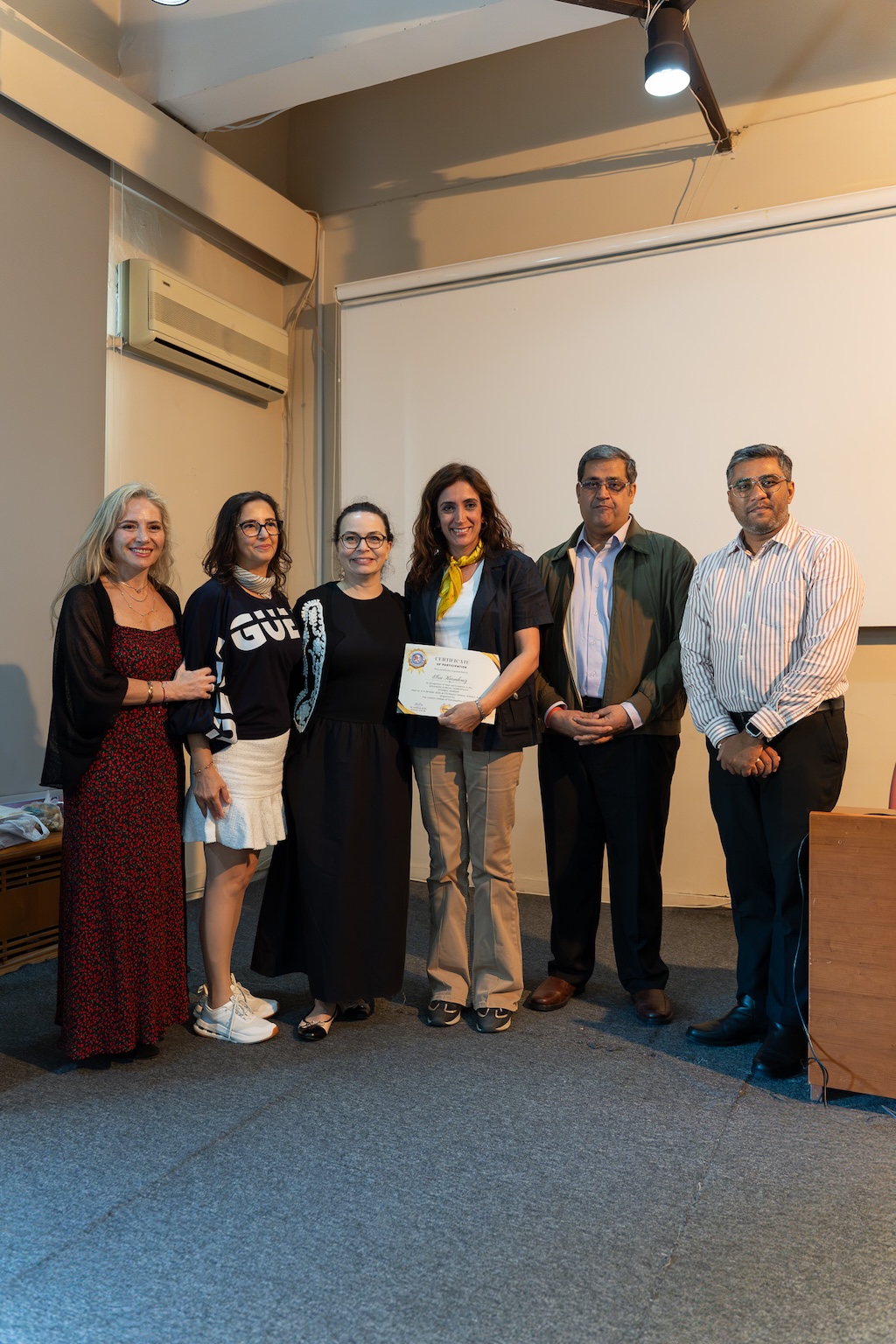
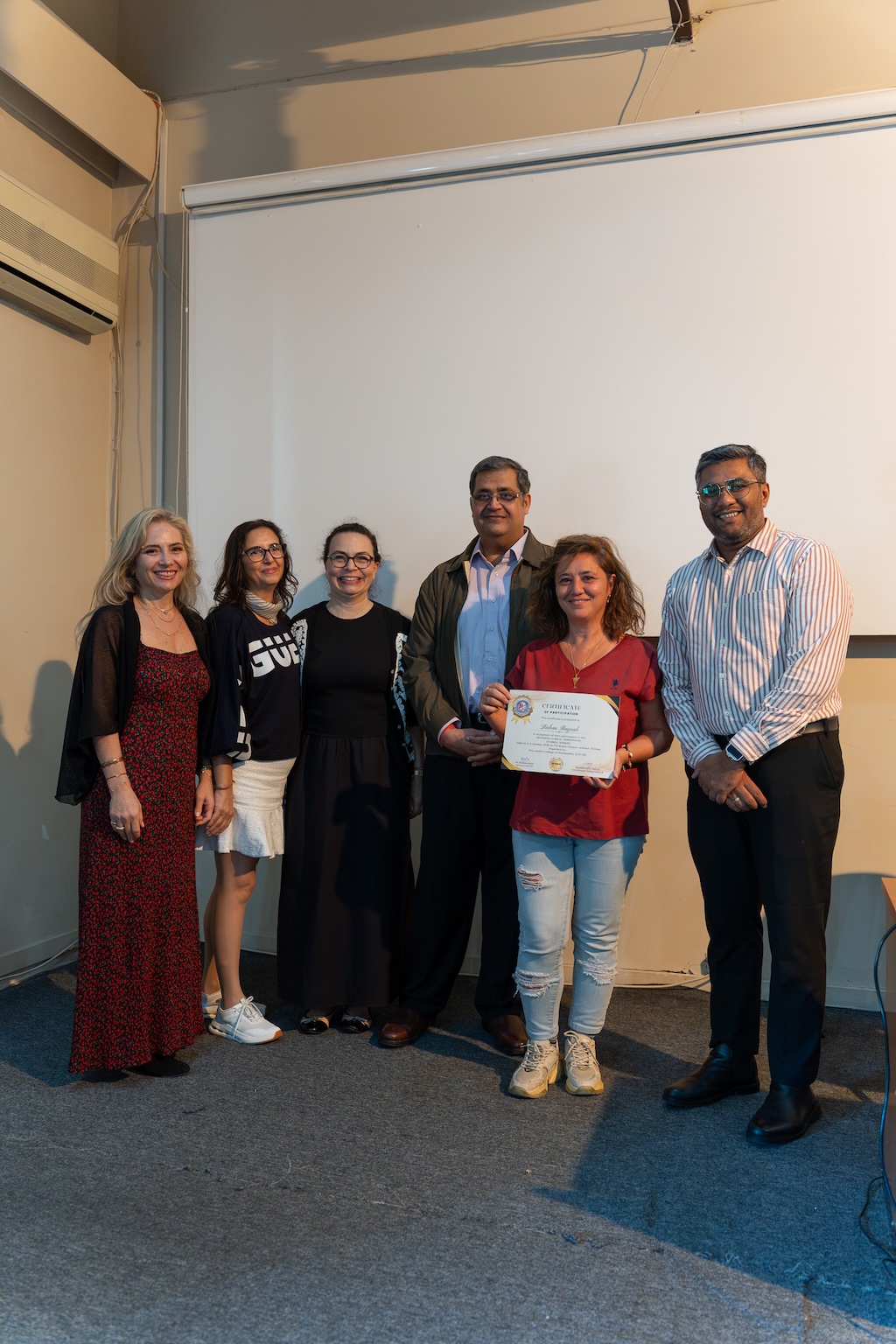
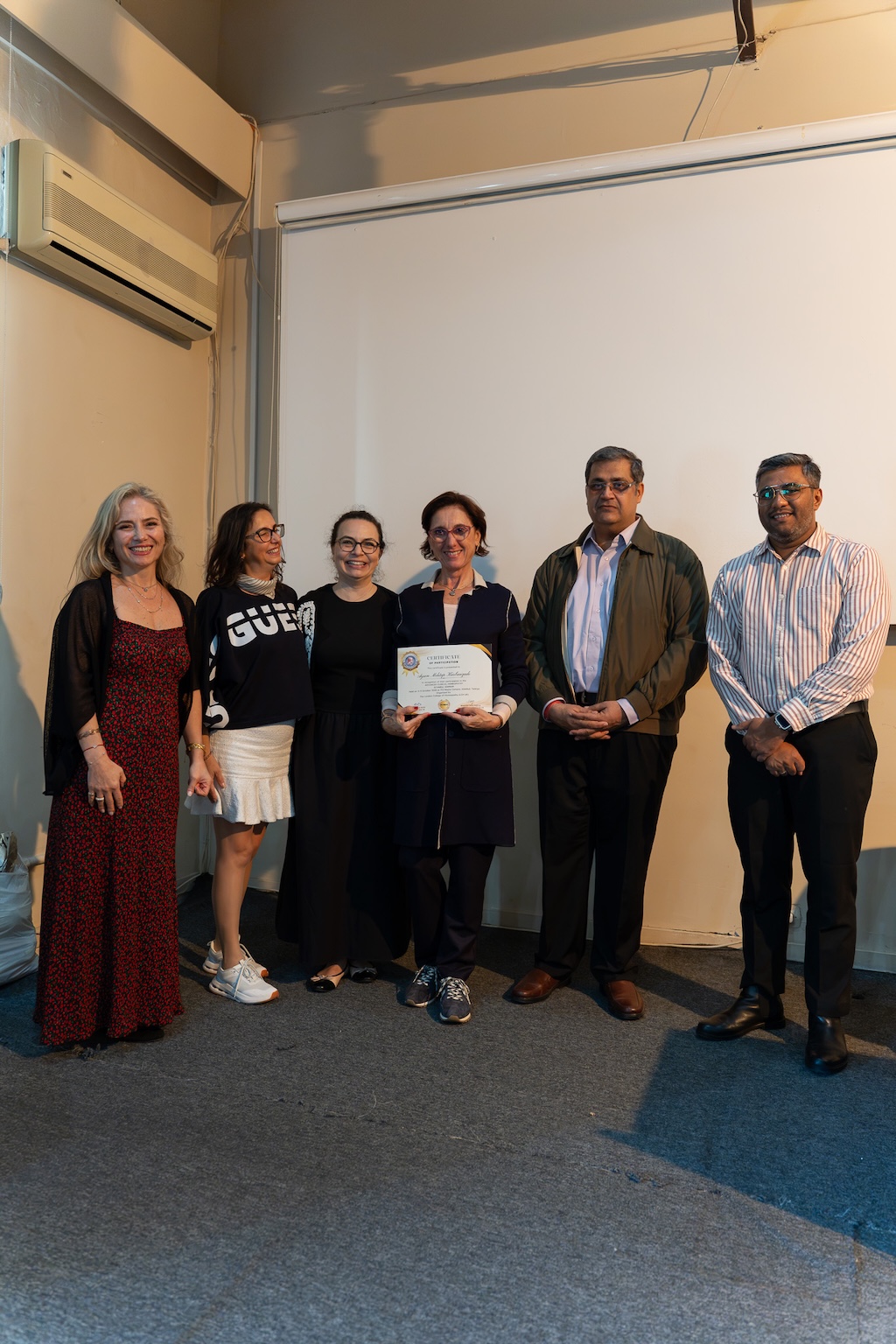
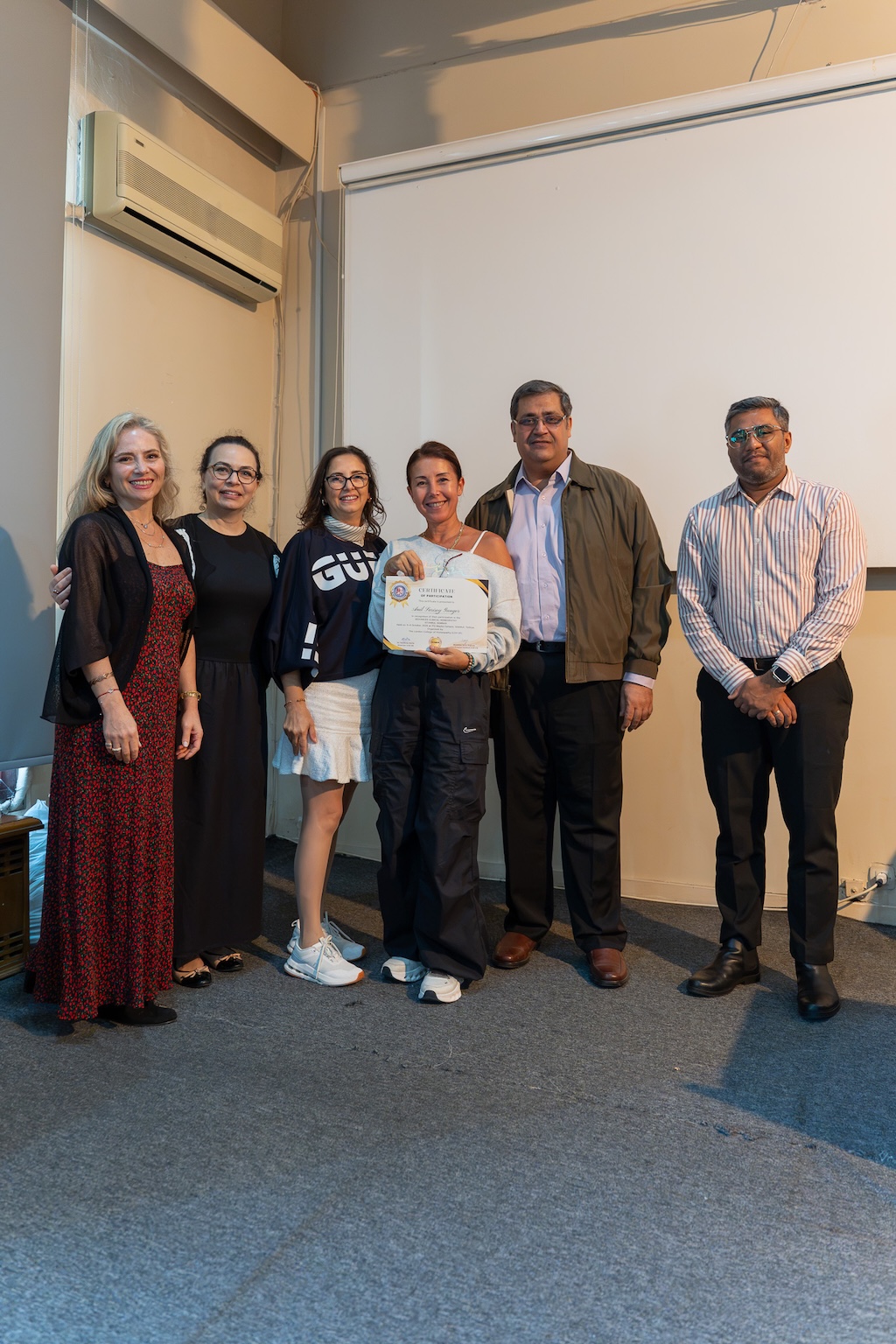
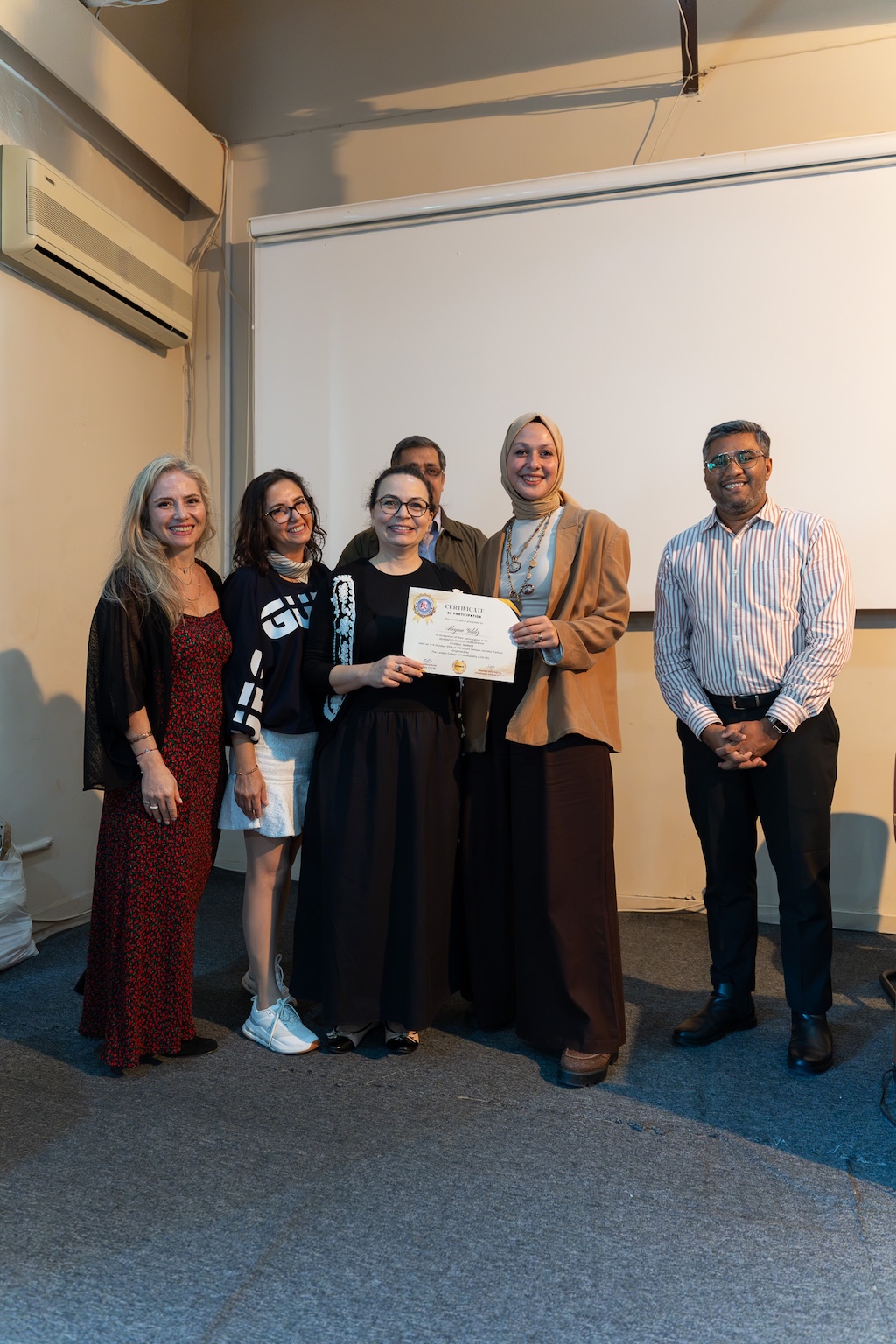
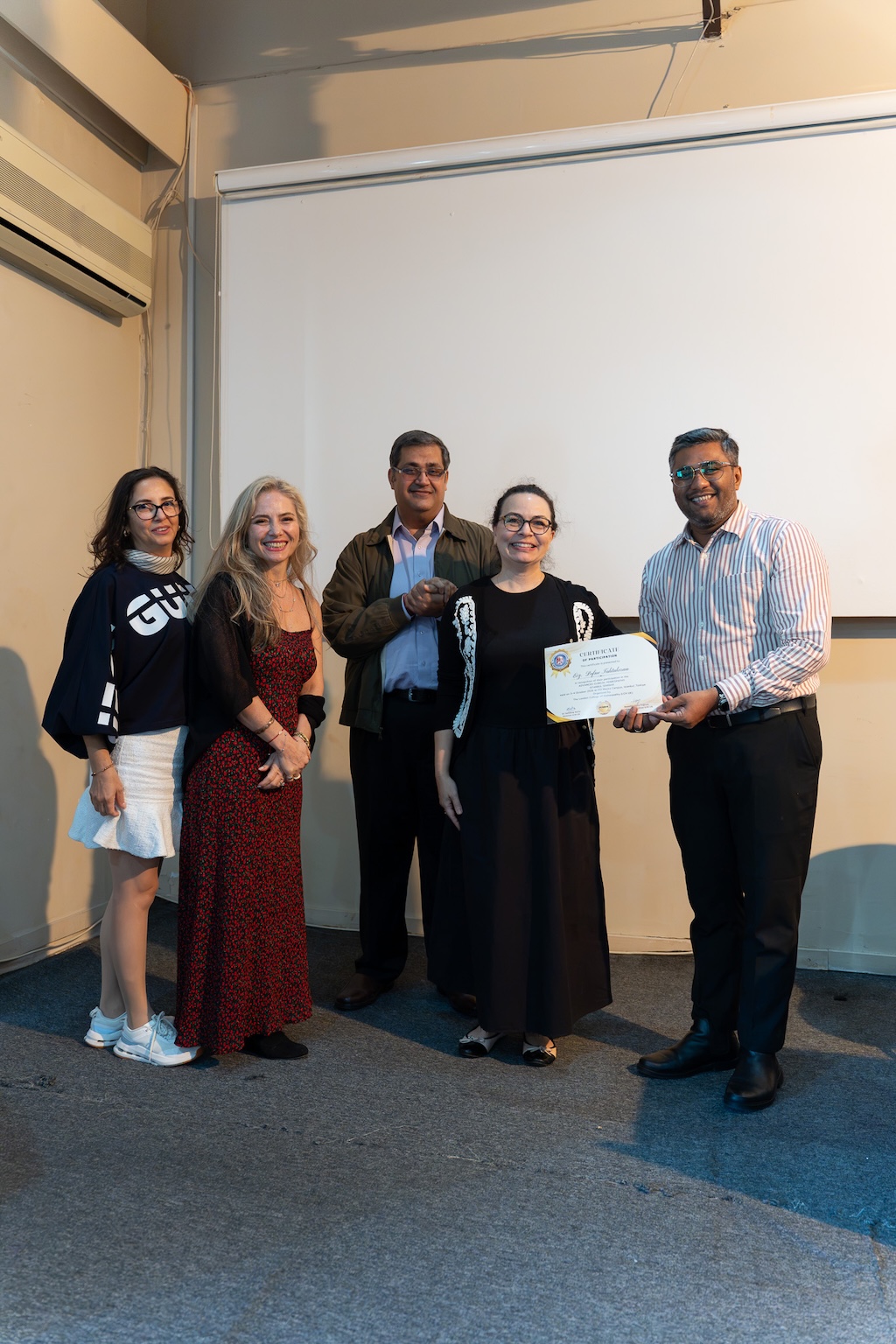
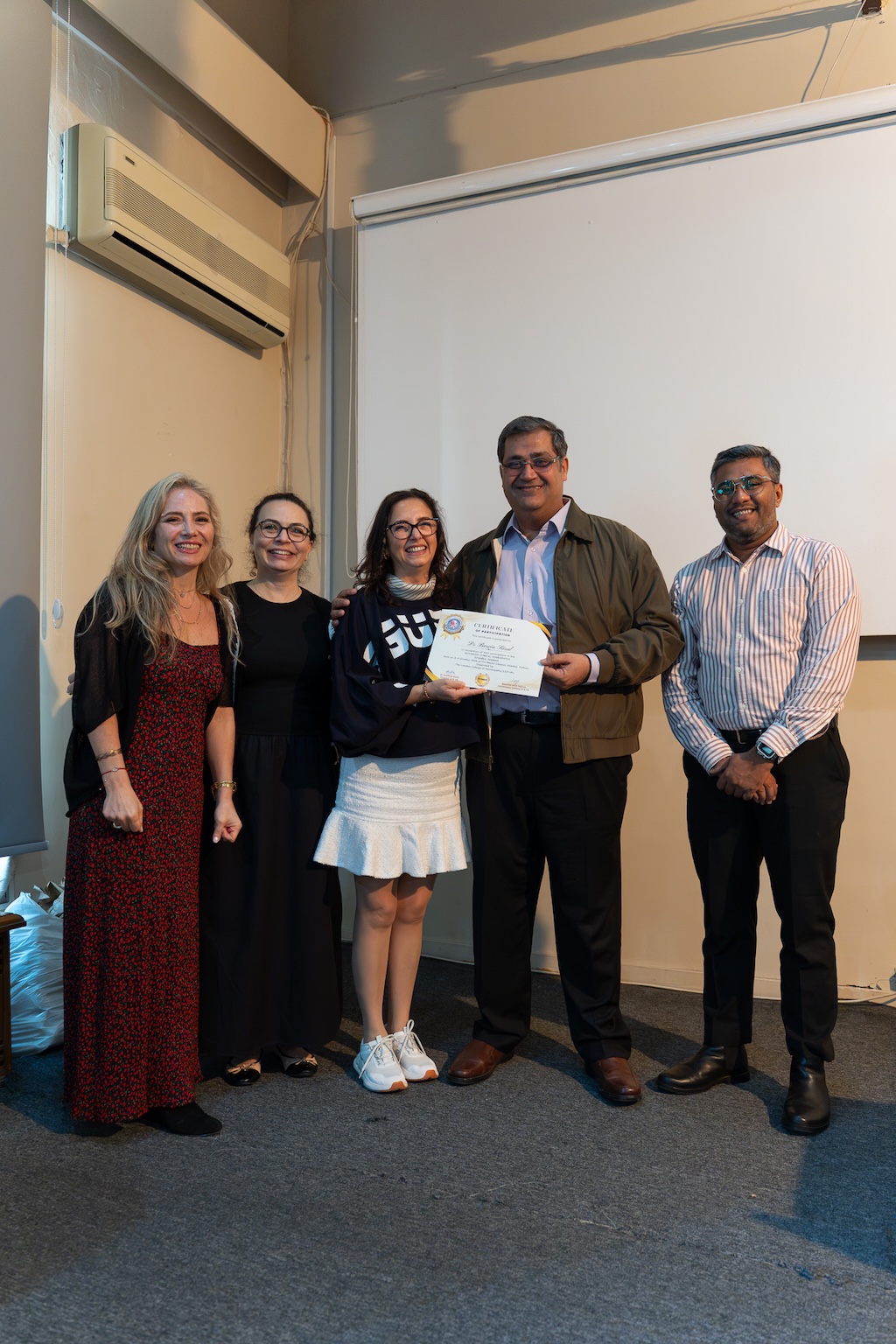
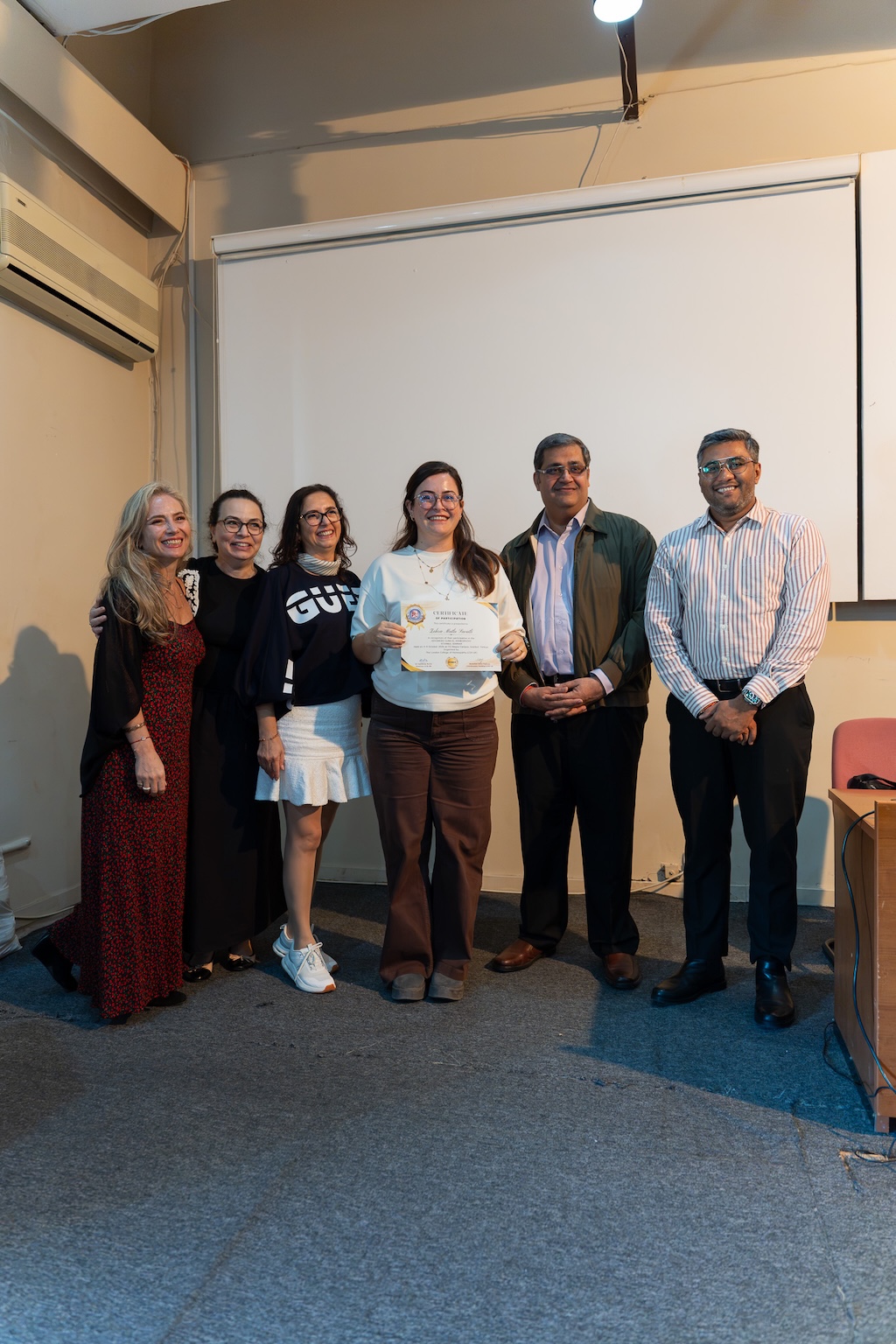
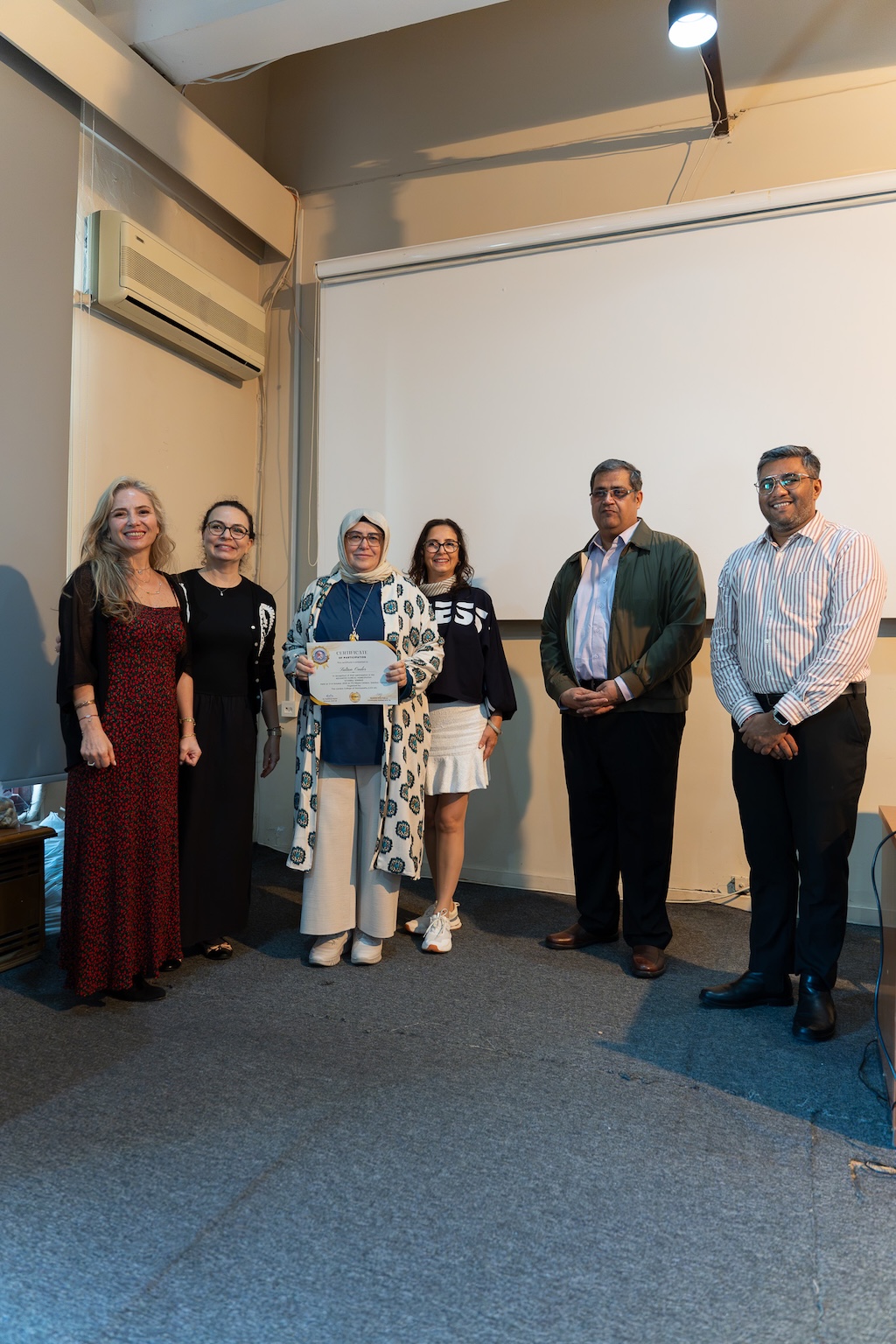
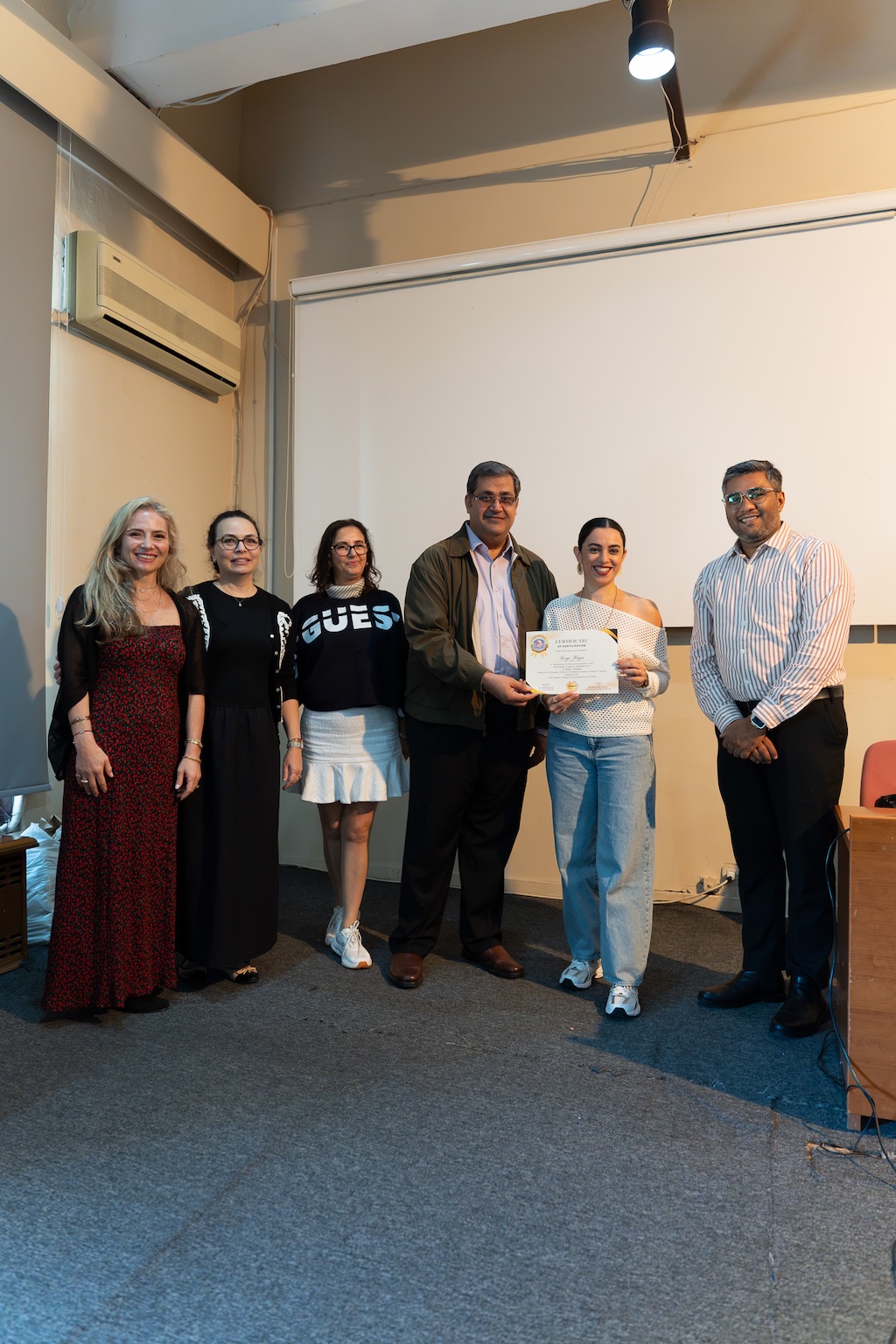
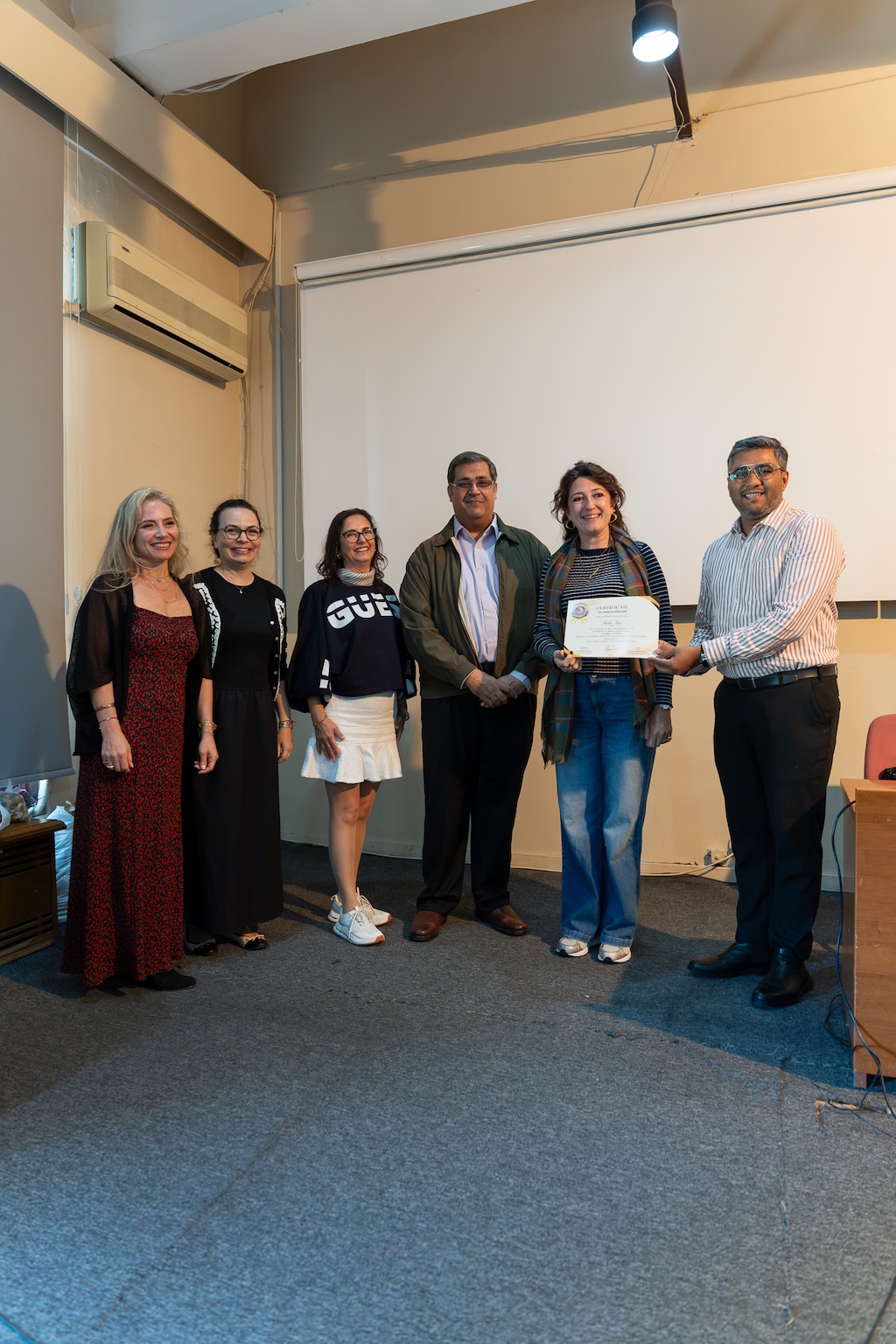
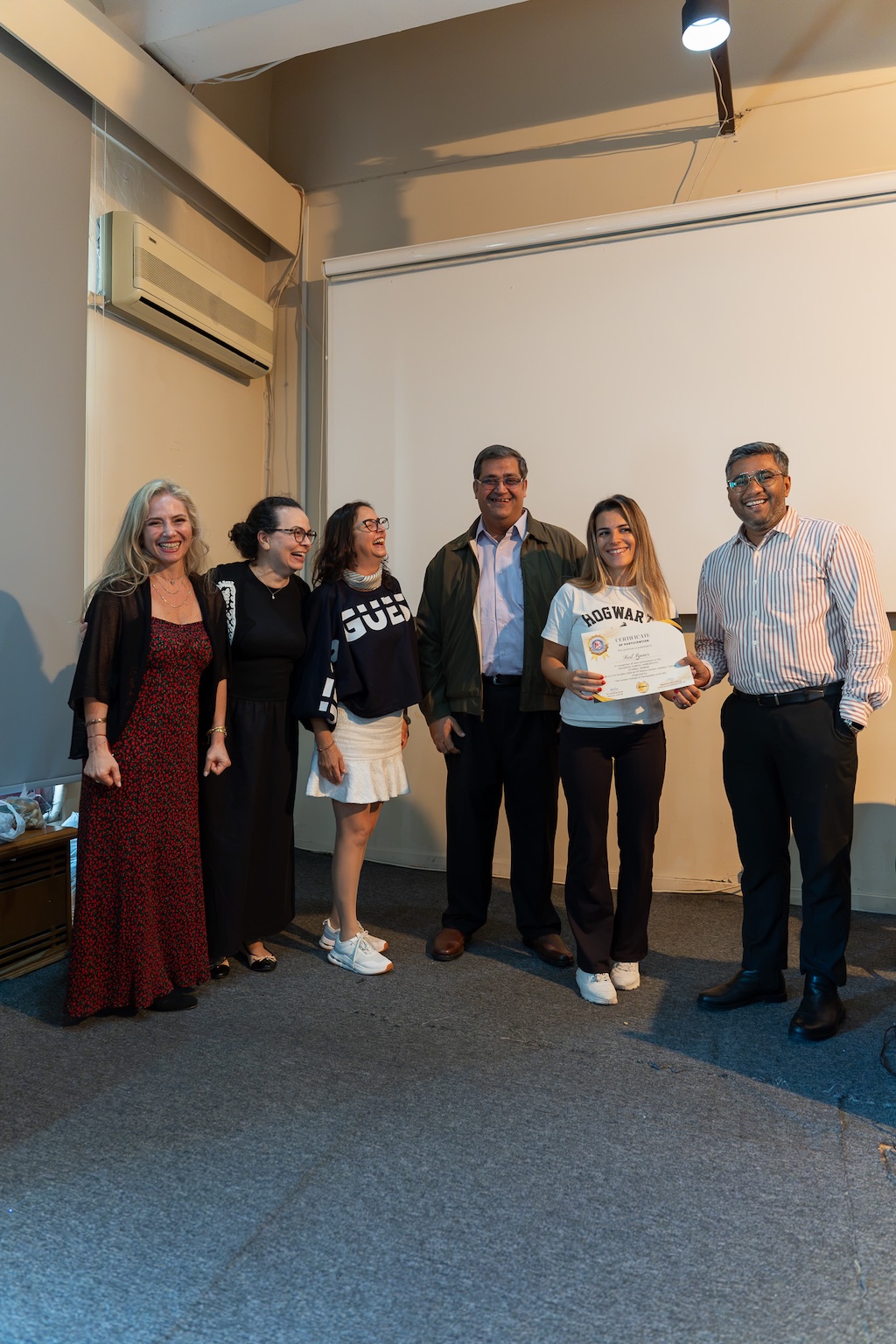
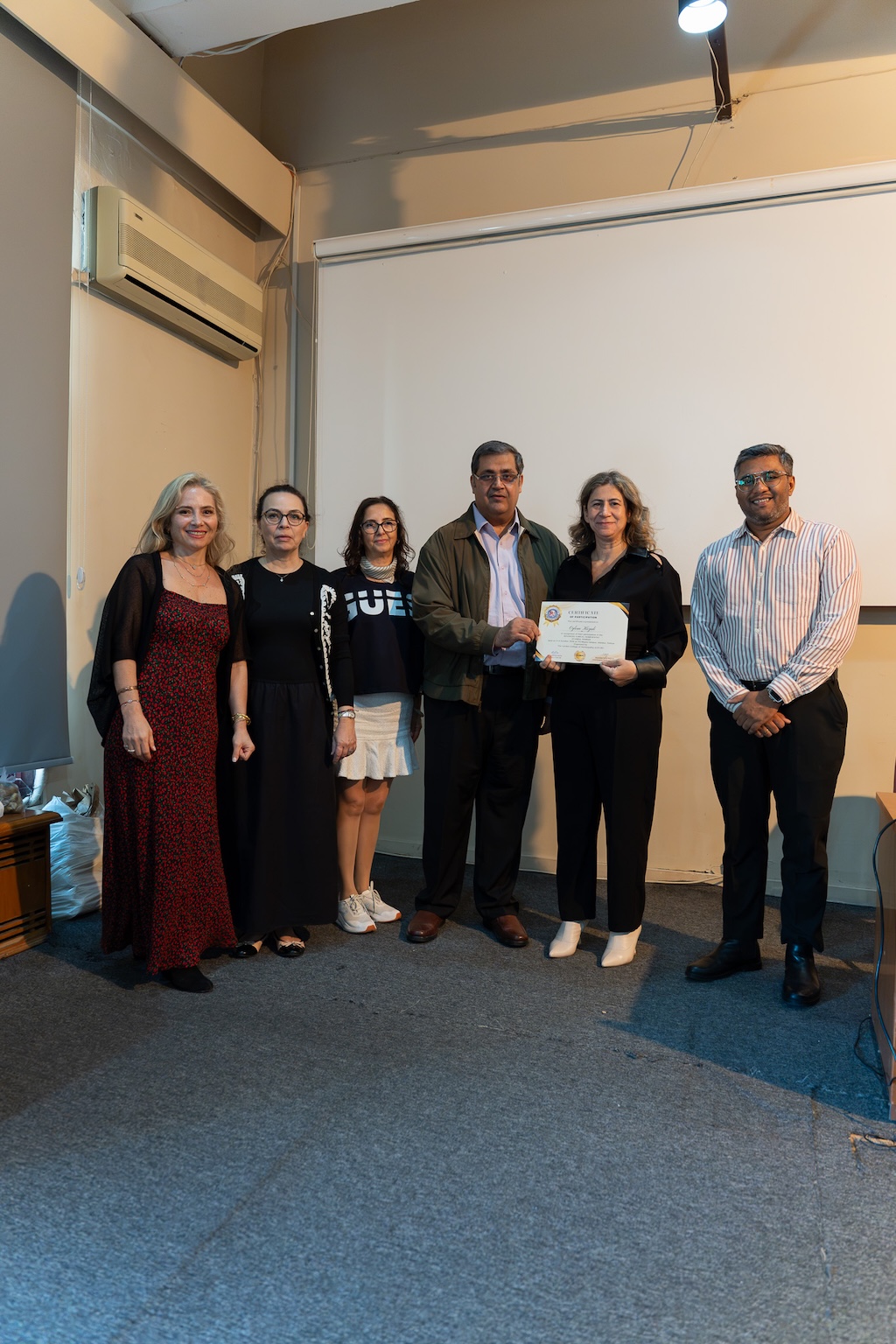
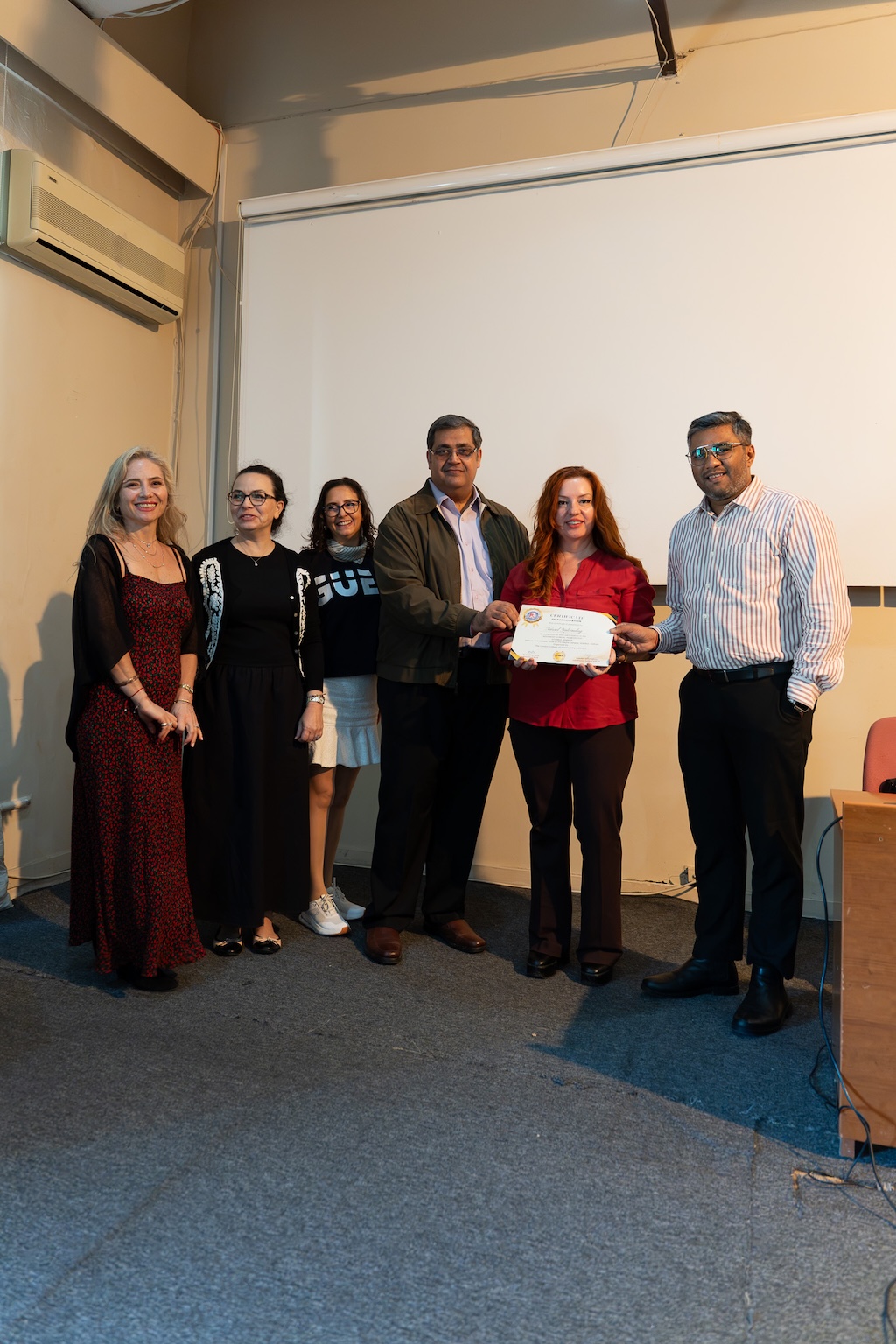
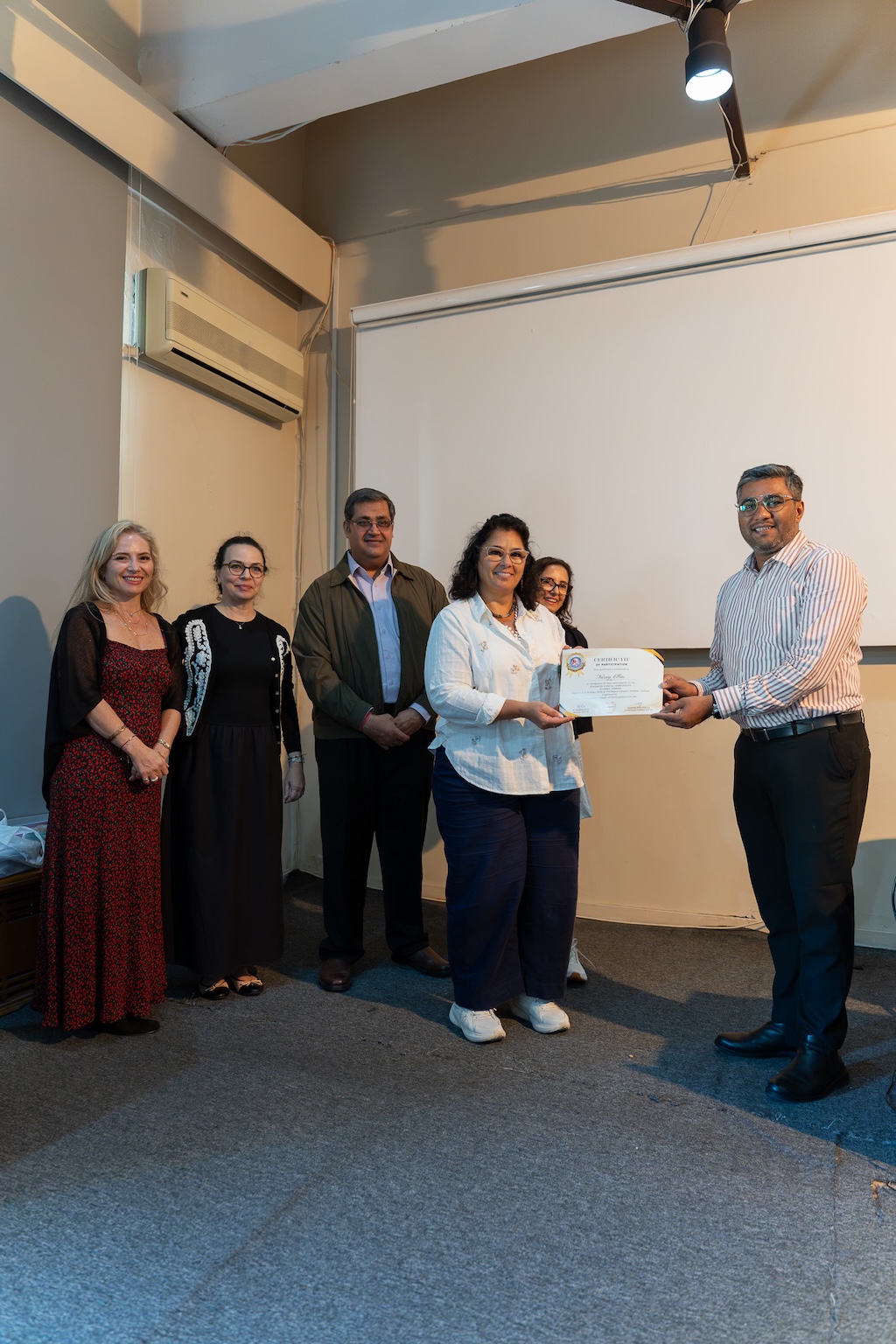
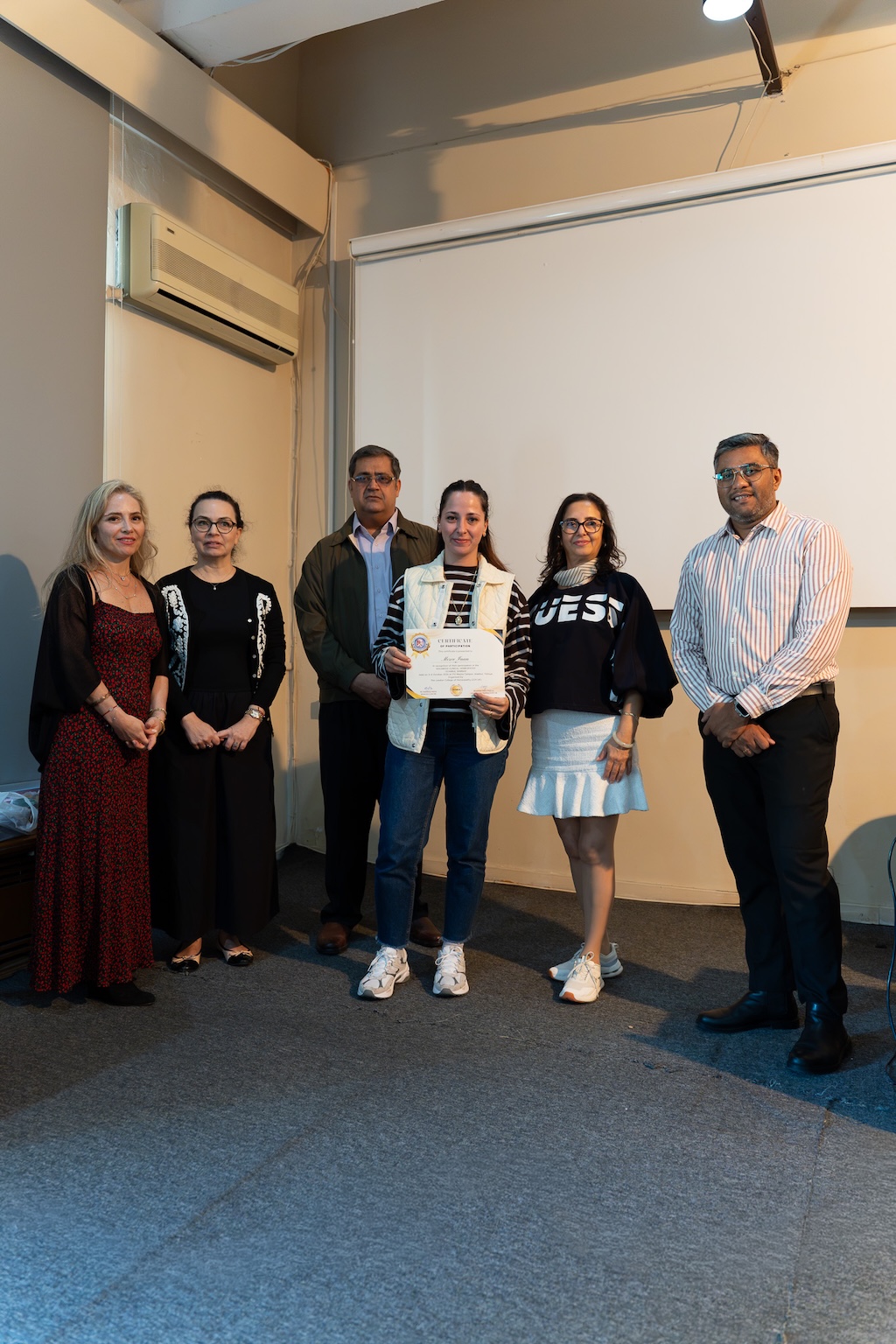
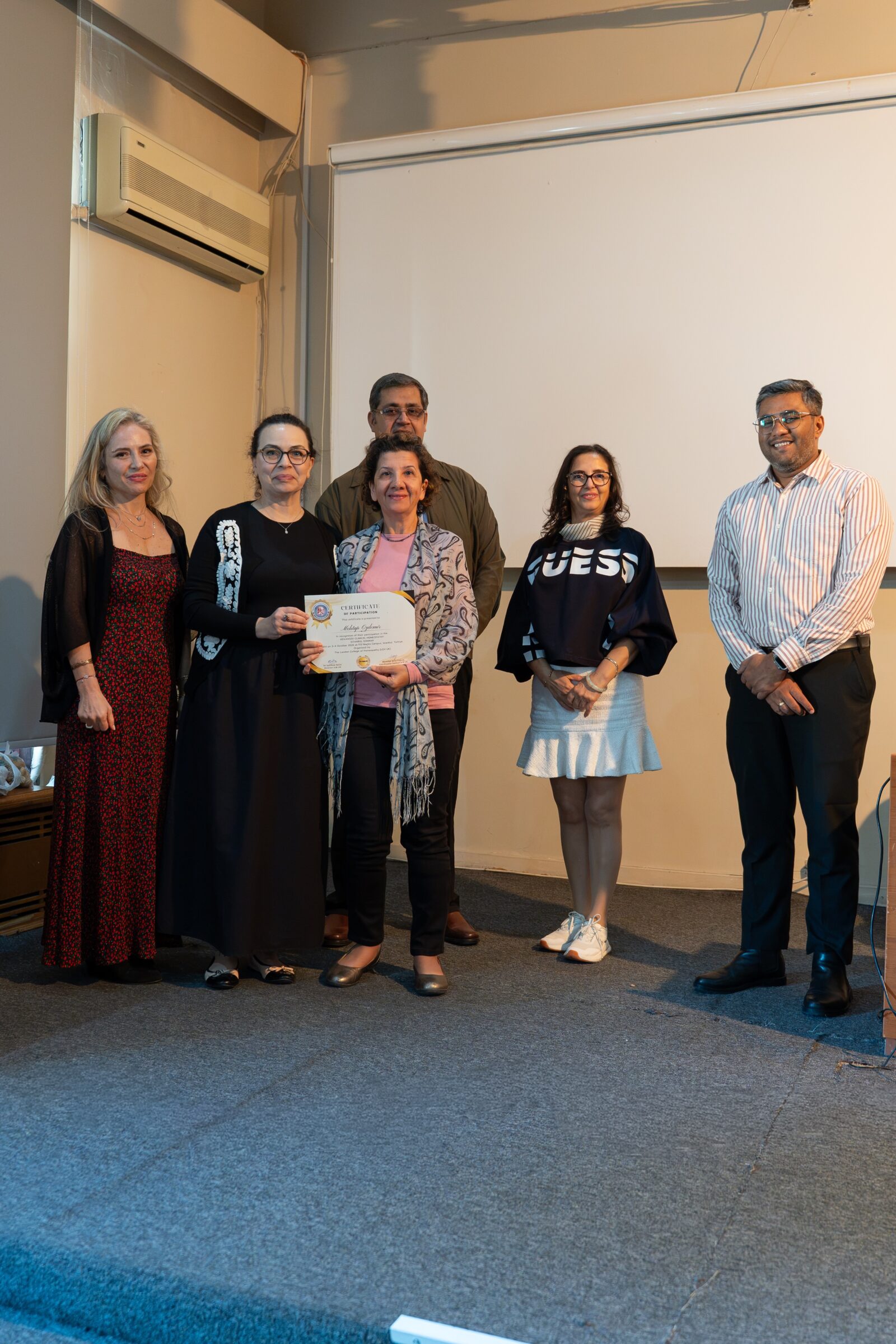
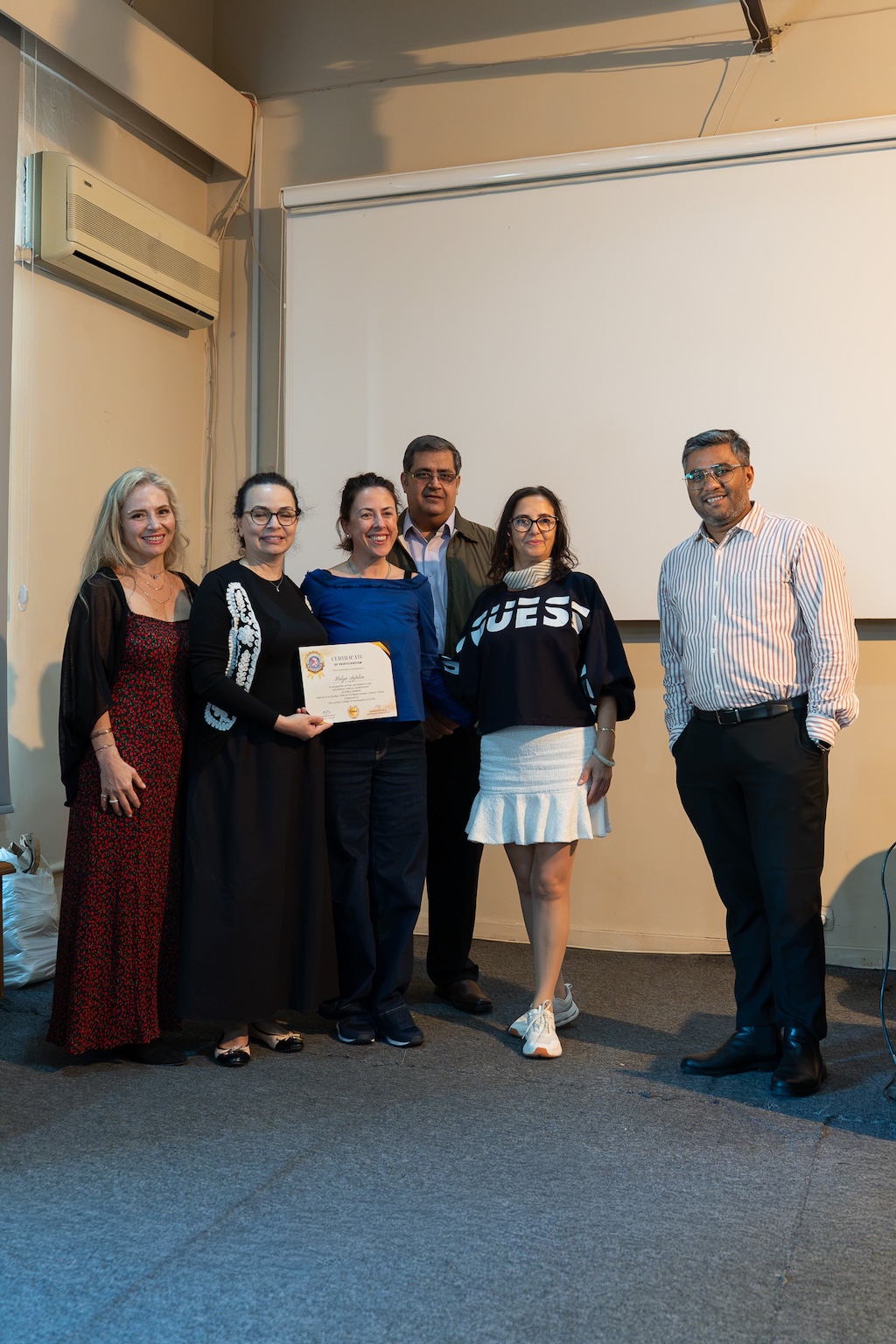
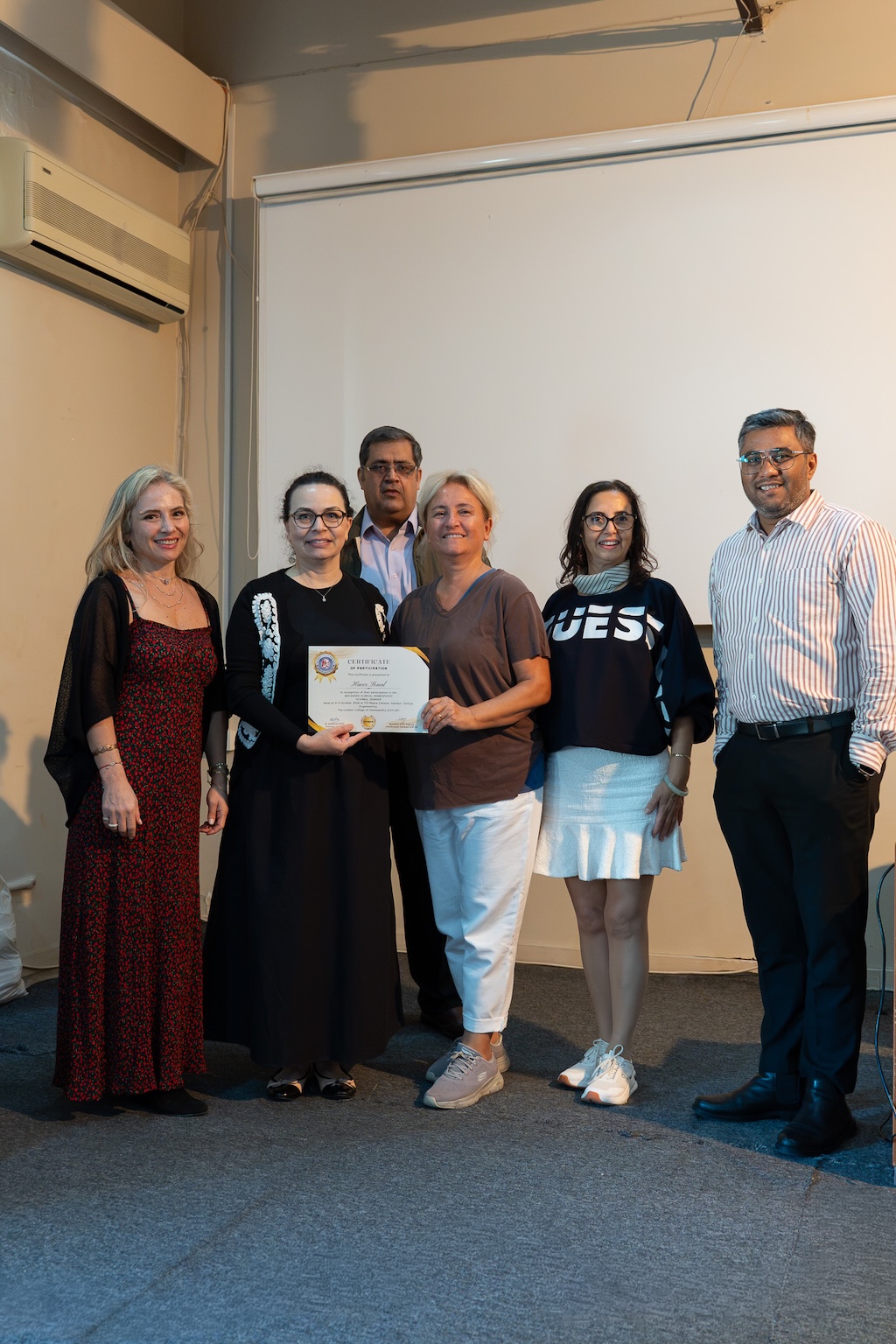
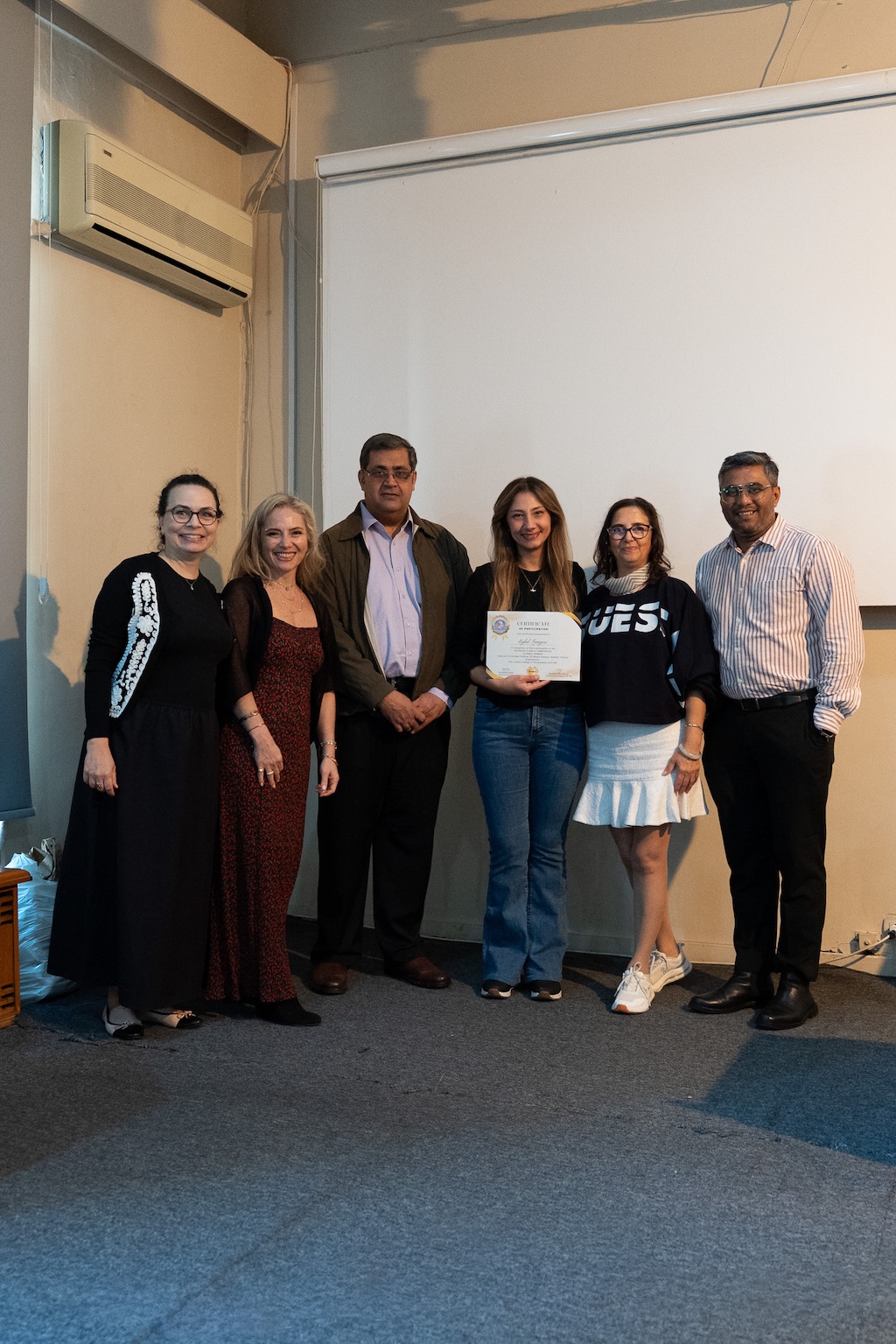
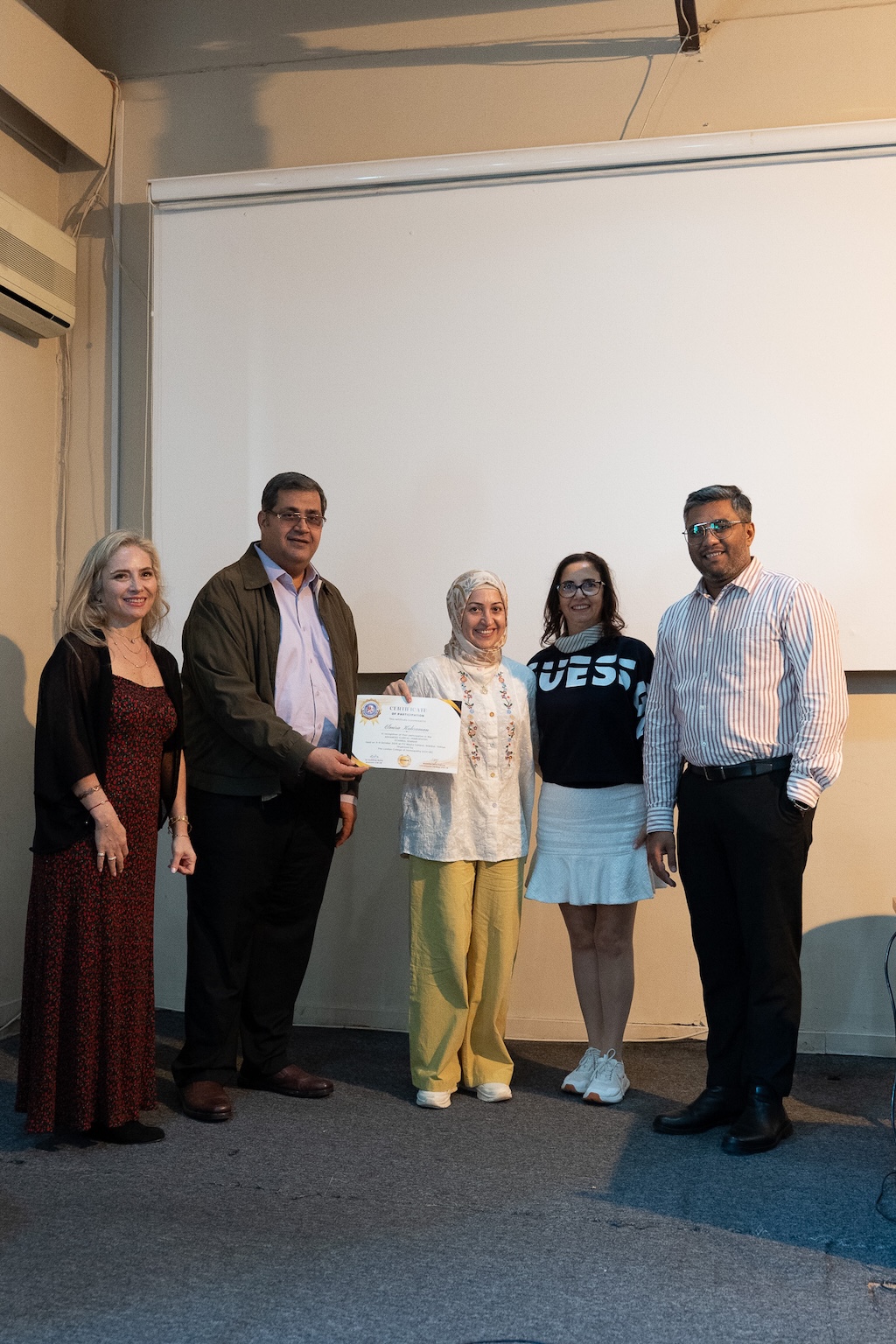
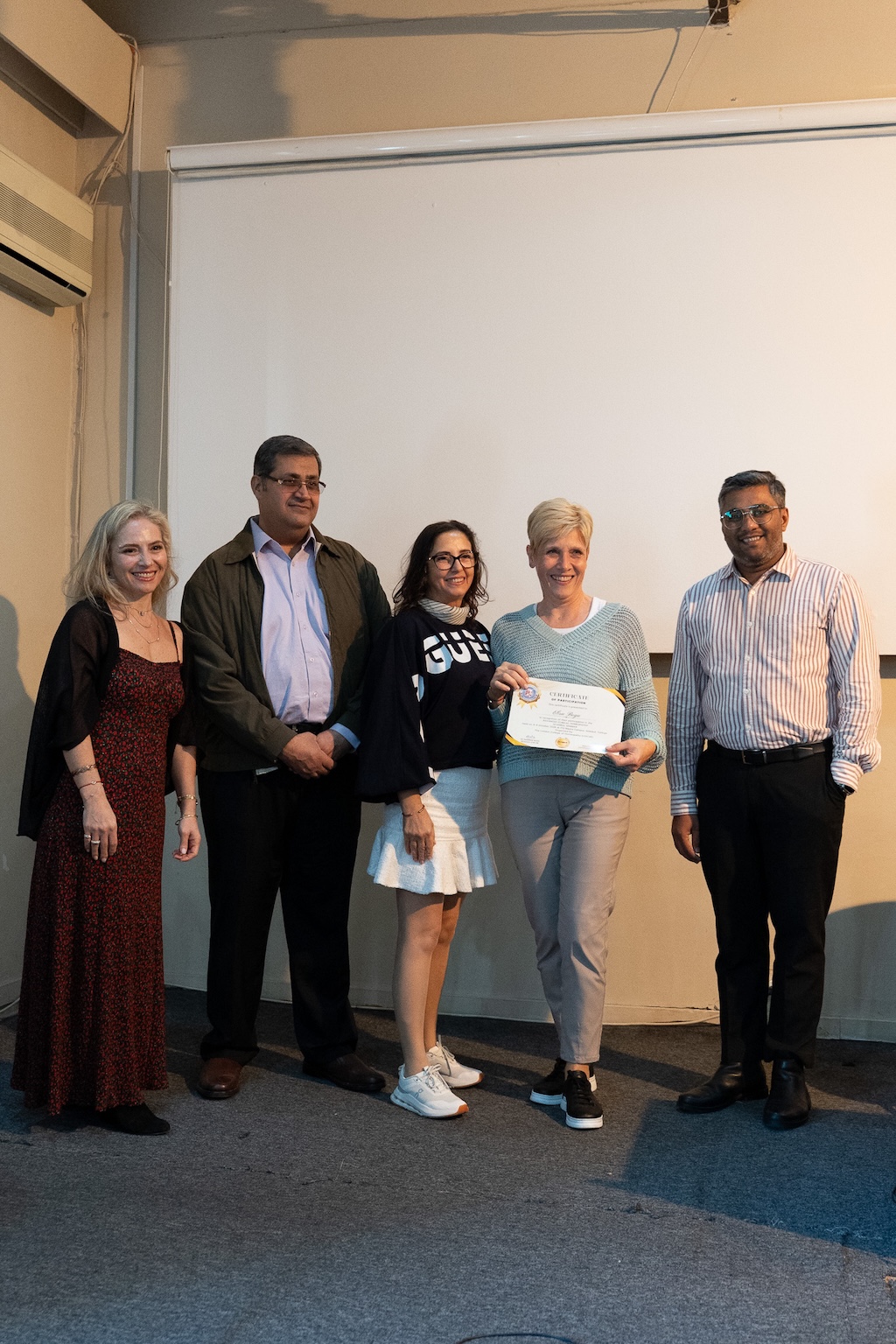
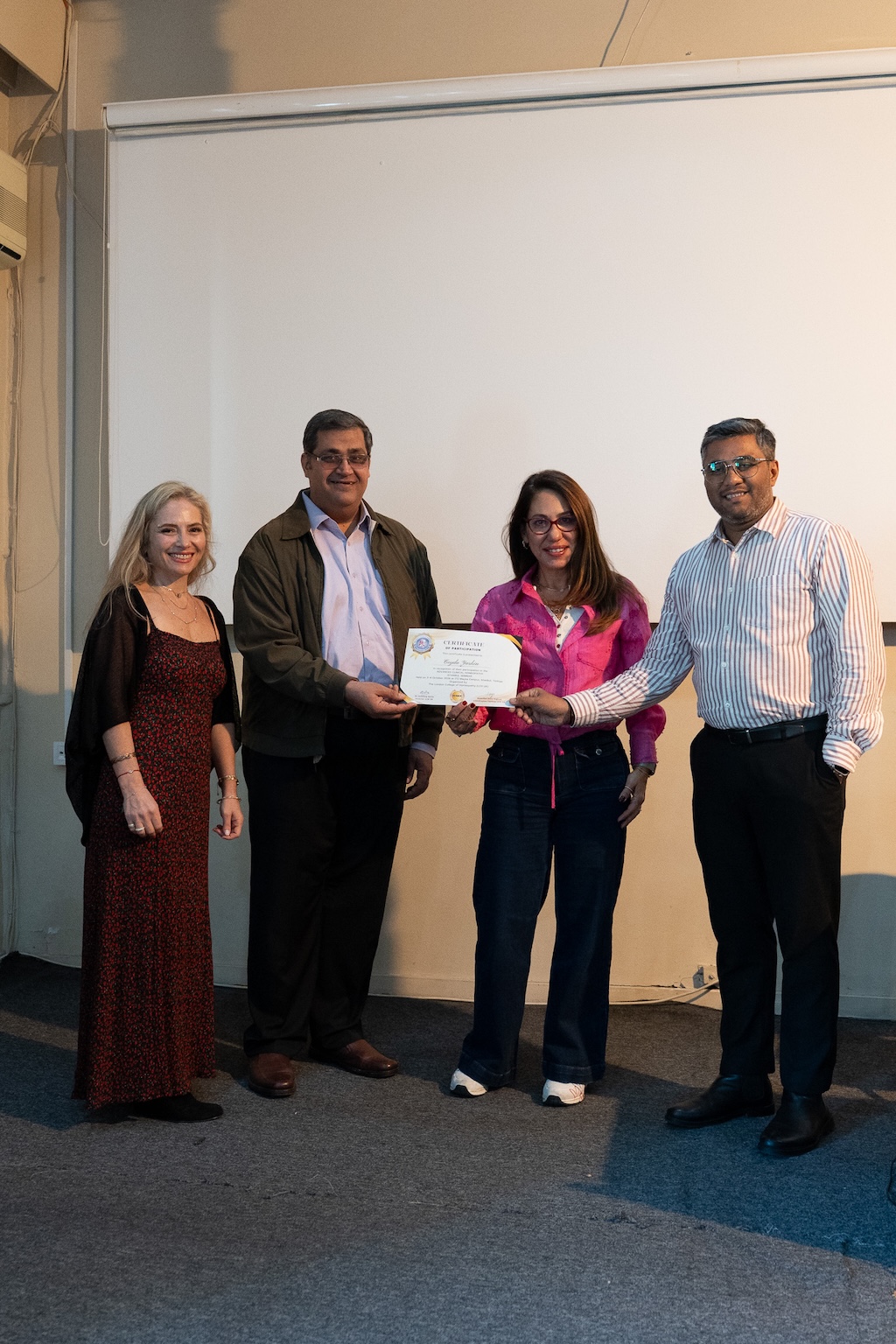
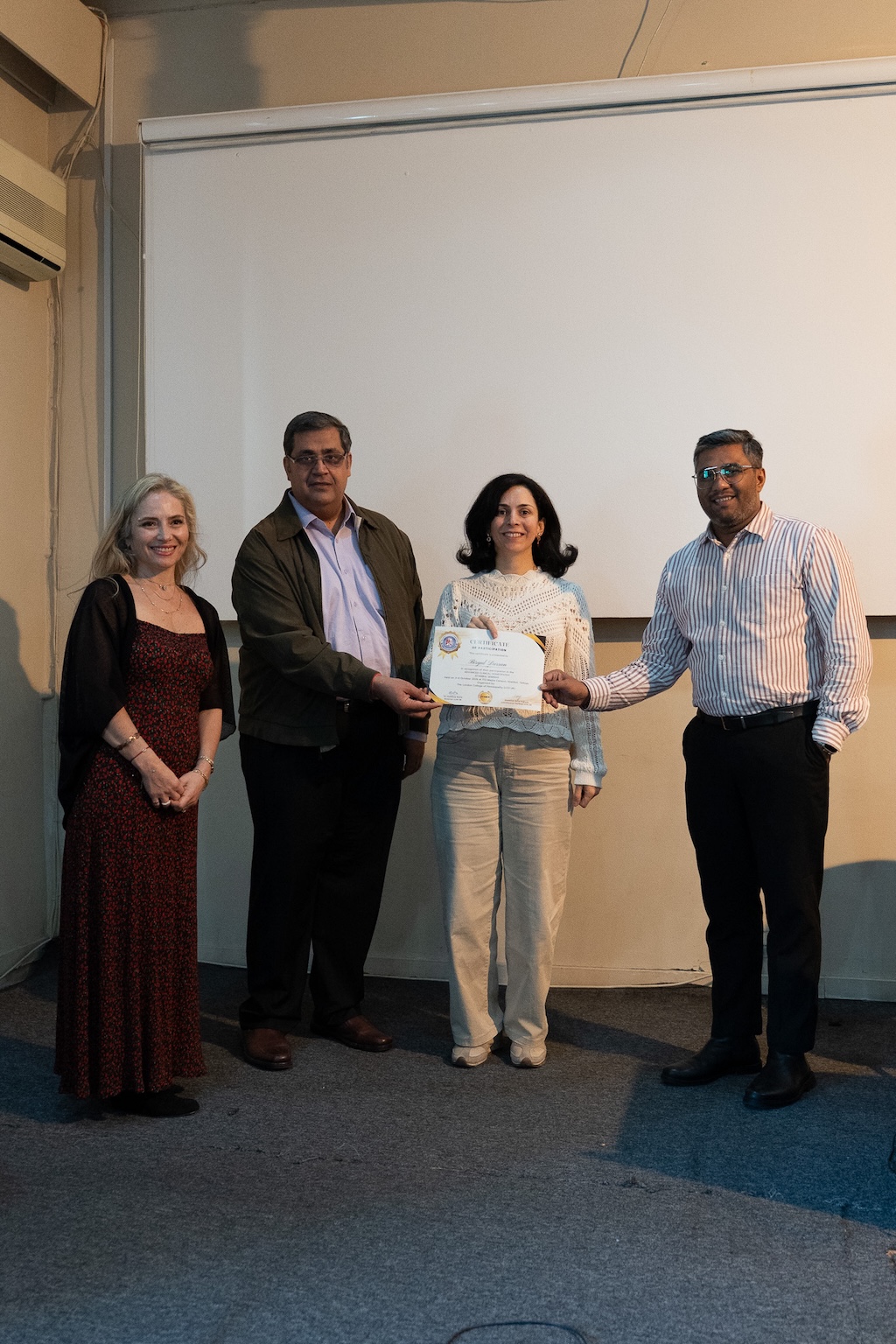
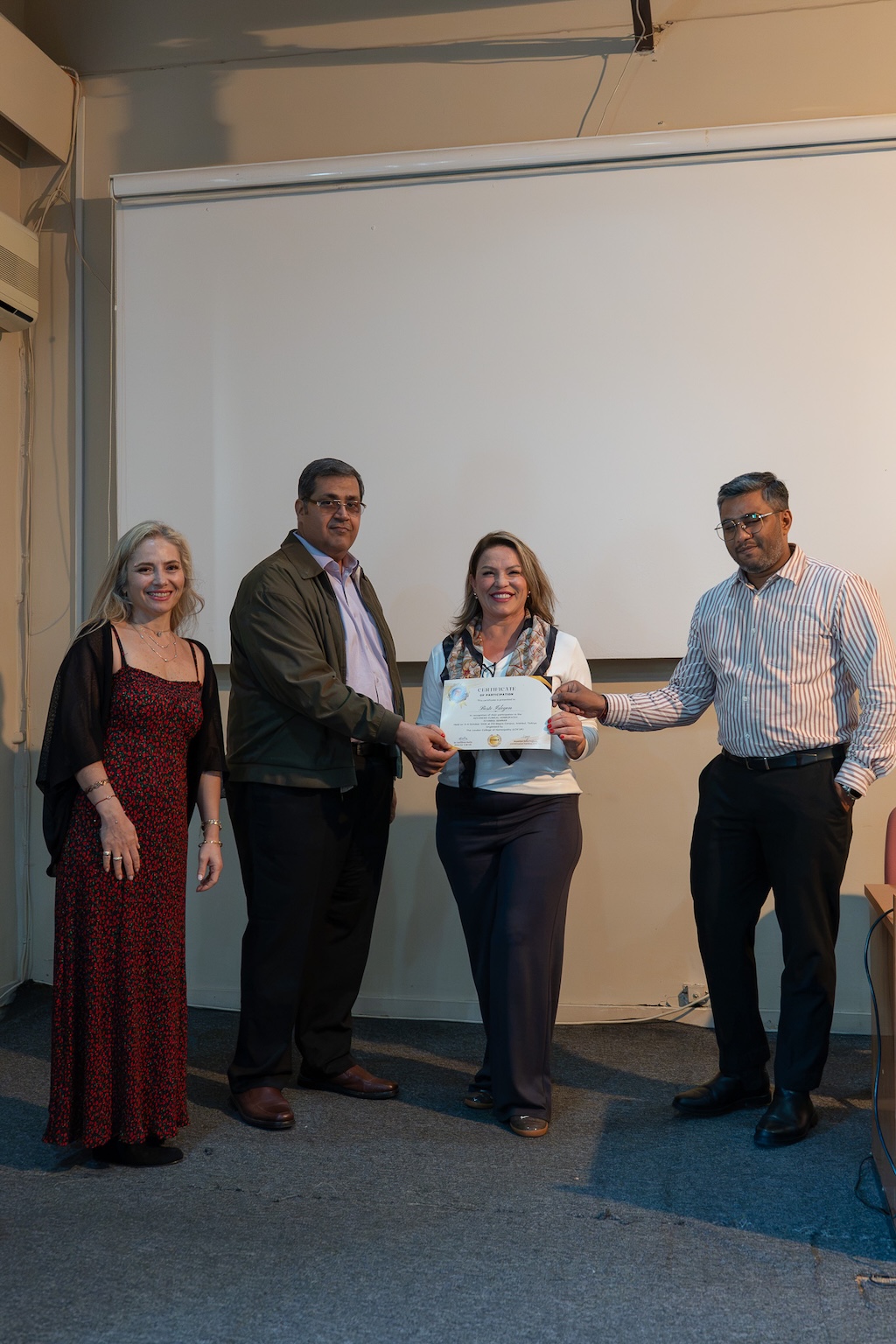
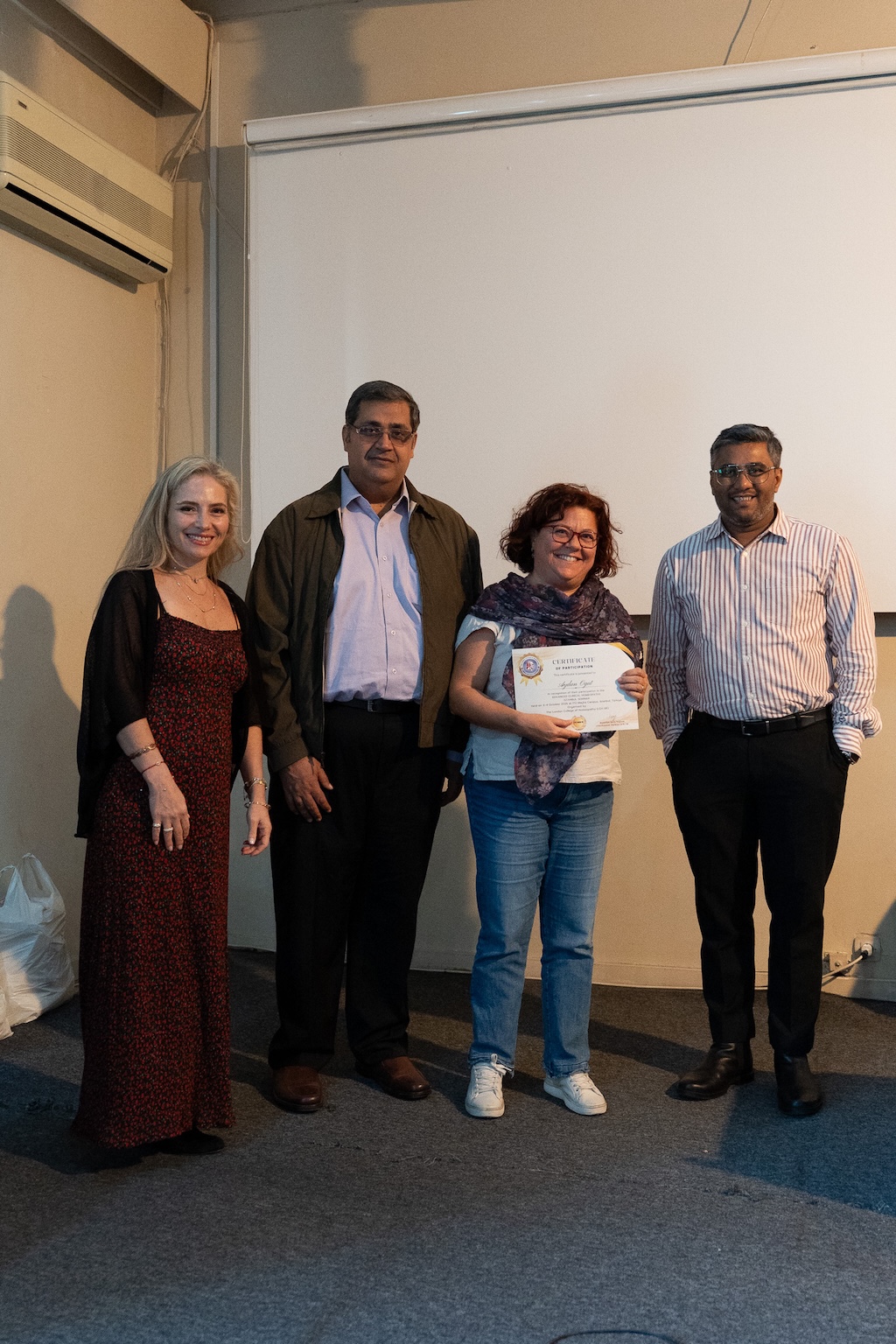
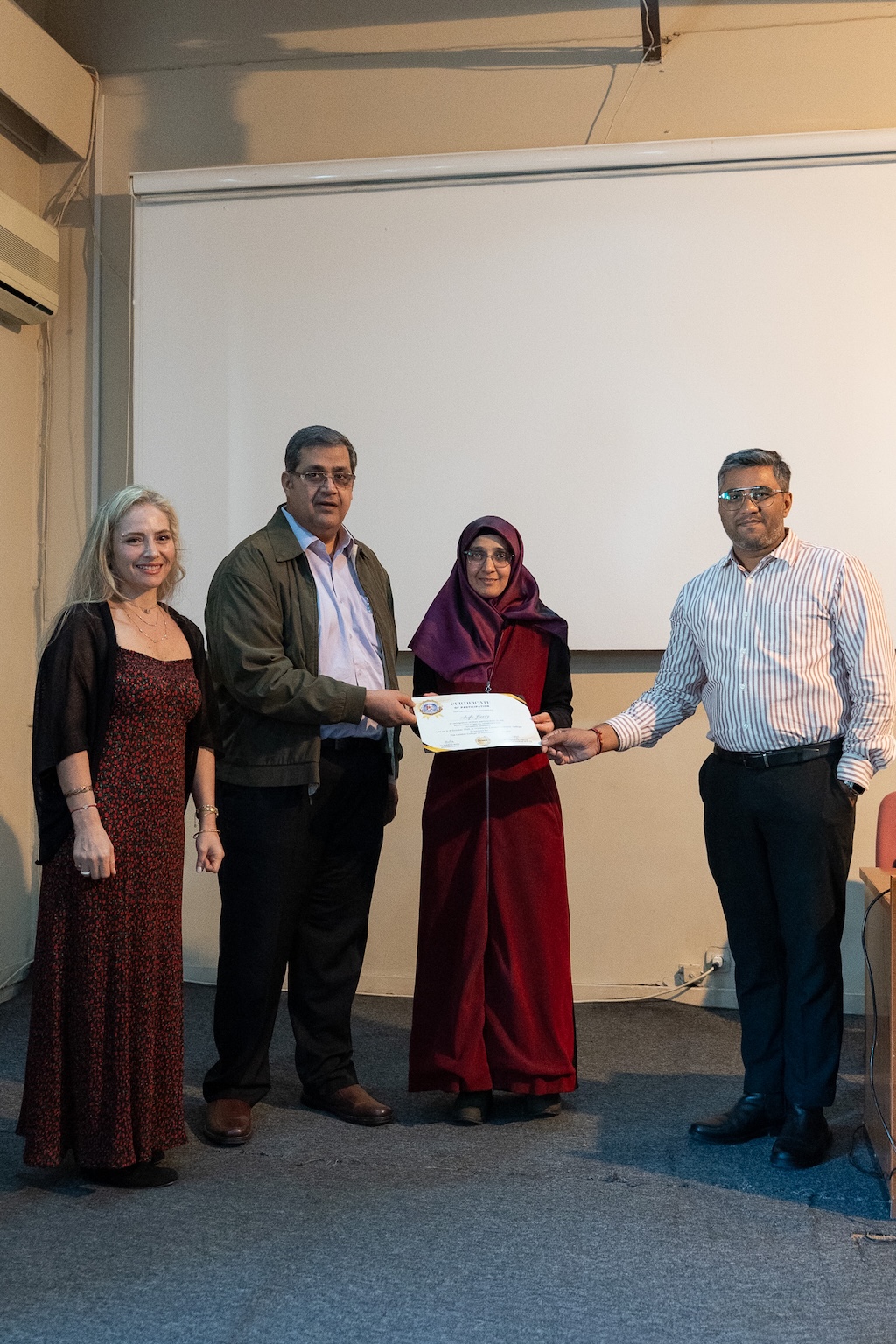
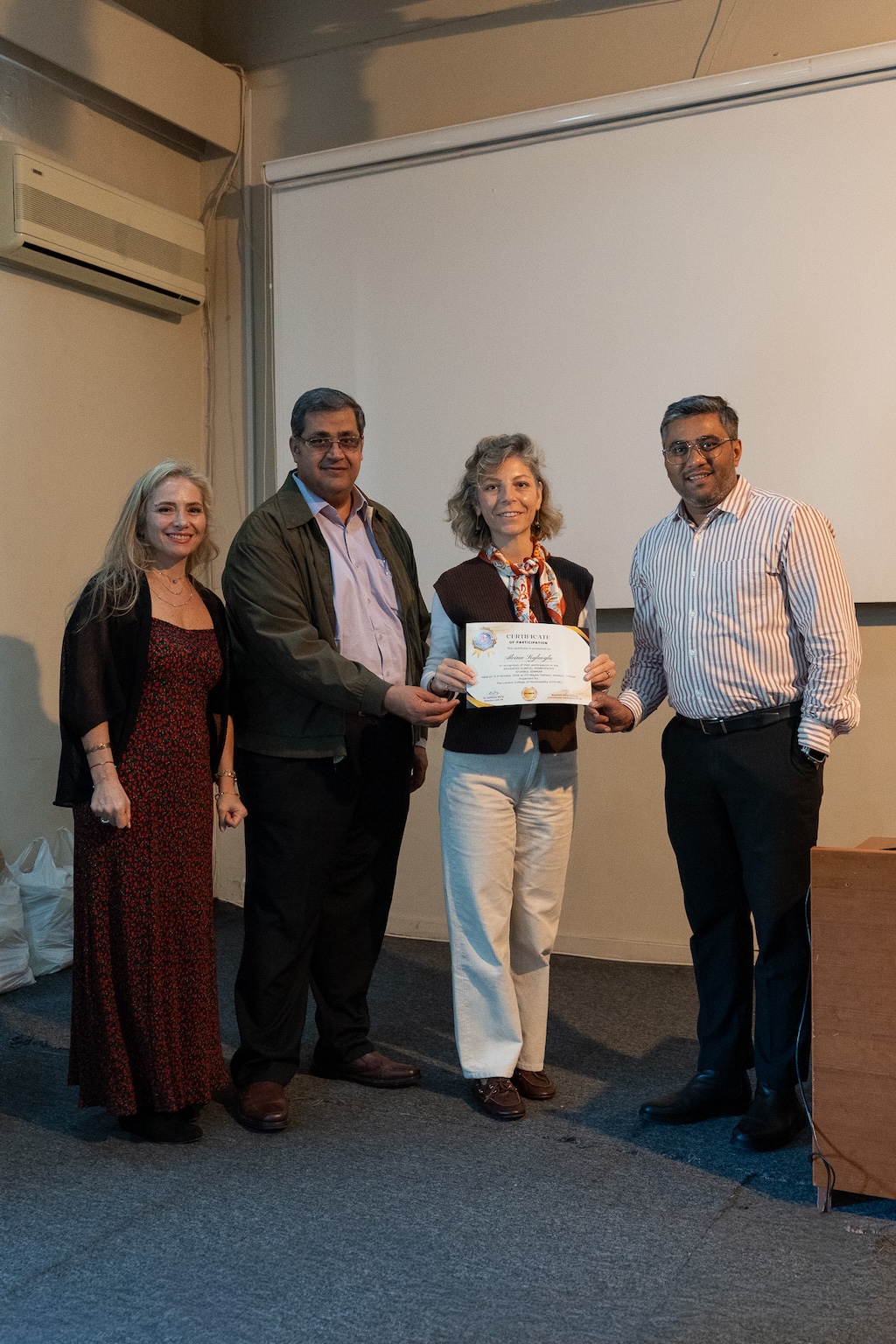
The seminar concluded with a formal certificate conferral ceremony, with all participants receiving institutionally recognised participation certificates from LCH UK. Following the strong reception of the masterclass, LCH UK has confirmed plans to expand its advanced clinical offerings and collaborative learning programmes within the region over the coming academic year.

For more information regarding future courses, clinical modules, and international admissions, visit www.lchomeopathy.com.

About The London College of Homeopathy (LCH UK):

The London College of Homeopathy, UK, is an internationally accredited institution providing professional diploma programmes, clinical masterclasses, and continuing professional development (CPD) courses to medical doctors, integrative health professionals, and students across the globe. LCH UK is dedicated to promoting clinical excellence, rigorous methodology, and ethical practice in classical homeopathy.

Email: info@lchomeopathy.com